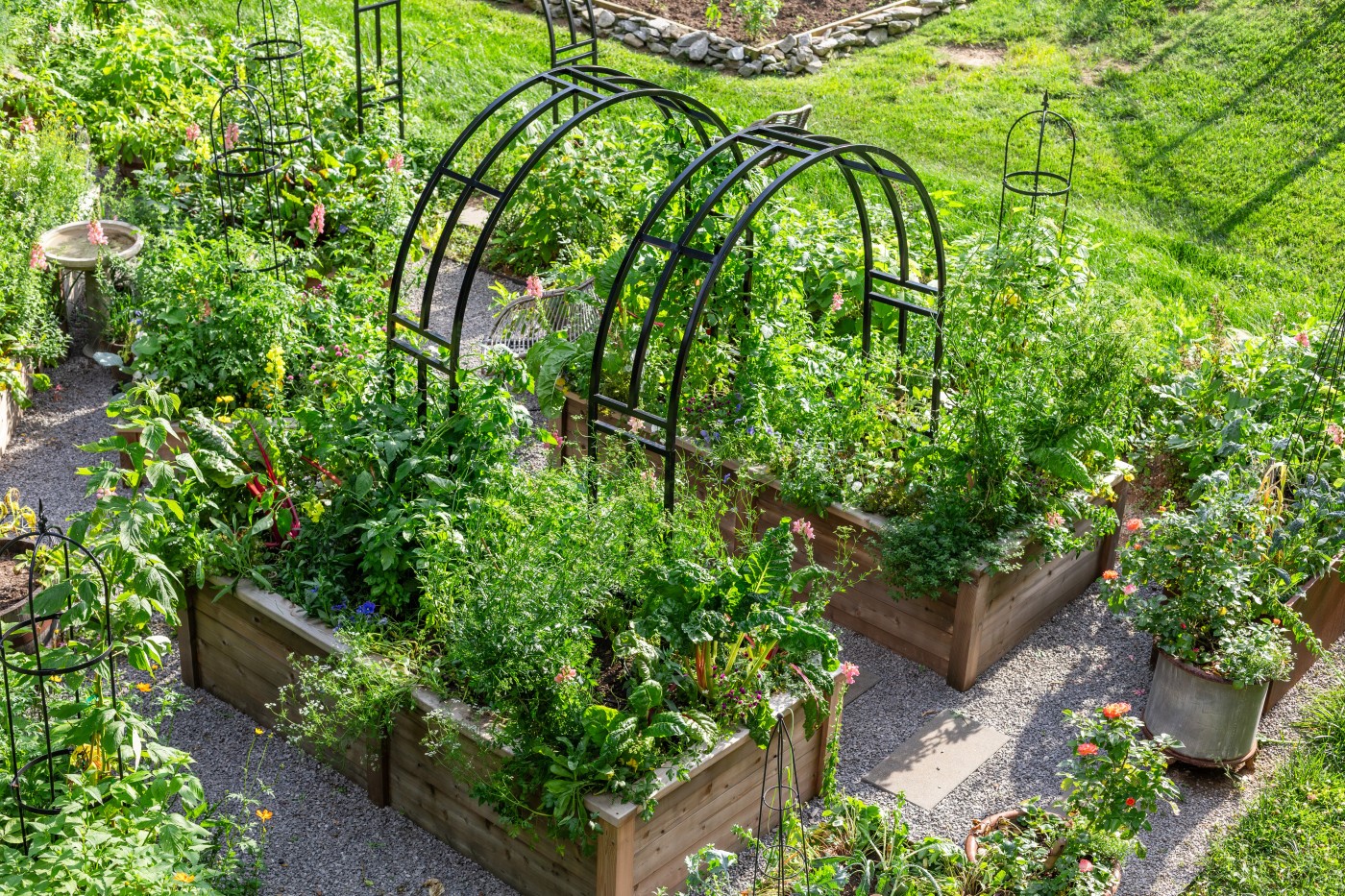

Kitchen Garden (Home Garden)
A kitchen garden is a small garden located near the house where vegetables, fruits, herbs, and sometimes medicinal plants are grown mainly for family consumption. It is designed to provide fresh, nutritious, and chemical-free food throughout the year.
Kitchen gardens are common in sustainable farming, bio-intensive agriculture, and household food security systems, and they are especially important in rural and peri-urban areas where families want to reduce food costs while maintaining good nutrition.
Unlike large farms that focus on selling crops, a kitchen garden focuses on daily household needs, meaning crops are harvested fresh directly from the garden to the kitchen.

Meaning and Concept of a Kitchen Garden
A kitchen garden is a planned area near the home where a variety of crops are grown in small quantities but continuously so that the family has access to vegetables and herbs daily.
It is sometimes also called:
- Home garden
- Nutrition garden
- Backyard garden
- Household garden
The key principle of a kitchen garden is diversity and sustainability.
Instead of growing only one crop like maize or potatoes, a kitchen garden contains many crops, such as:
- Leafy vegetables
- Root crops
- Fruit vegetables
- Spices and herbs
- Medicinal plants
This diversity helps ensure the family receives balanced nutrition.
Importance of a Kitchen Garden
Kitchen gardens play a major role in food security, nutrition, environmental sustainability, and economic savings.
1. Fresh and Healthy Food
Vegetables are harvested directly from the garden, ensuring:
- High vitamin content
- Better taste
- No harmful chemicals
Fresh vegetables contain nutrients like:
- Vitamin A
- Vitamin C
- Iron
- Calcium
These nutrients help prevent diseases such as:
- Malnutrition
- Anemia
- Vitamin deficiency
2. Reduces Household Food Costs
Families spend less money buying vegetables from the market because they grow them themselves.
For example, a small kitchen garden can supply:
- Sukuma wiki
- Spinach
- Tomatoes
- Onions
- Coriander
This reduces daily food expenses.
3. Improves Nutrition
Kitchen gardens provide a balanced diet.
Different crops provide different nutrients:
| Crop Type | Nutritional Benefit |
| Leafy vegetables | Iron and vitamins |
| Root crops | Energy and carbohydrates |
| Legumes | Protein |
| Fruits | Vitamins and antioxidants |
This improves family health.
4. Promotes Organic Farming
Kitchen gardens often use organic inputs such as:
- Compost manure
- Animal manure
- Biofertilizers
- Mulch
This improves soil fertility while protecting the environment.
5. Environmental Benefits
Kitchen gardens contribute to:
- Soil conservation
- Biodiversity
- Reduced chemical pollution
- Better microclimate around homes
Plants also produce oxygen and improve air quality.
6. Educational Value
Kitchen gardens help teach:
- Children about farming
- Food production
- Environmental conservation
They also encourage families to appreciate agriculture.
Characteristics of a Good Kitchen Garden
A well-designed kitchen garden should have the following features.
1. Located Near the House
The garden should be close to the kitchen for easy access to:
- Harvest vegetables
- Water crops
- Monitor pests
This also reduces crop theft and damage.
2. Small but Intensively Managed
Kitchen gardens are usually small but highly productive.
They use techniques such as:
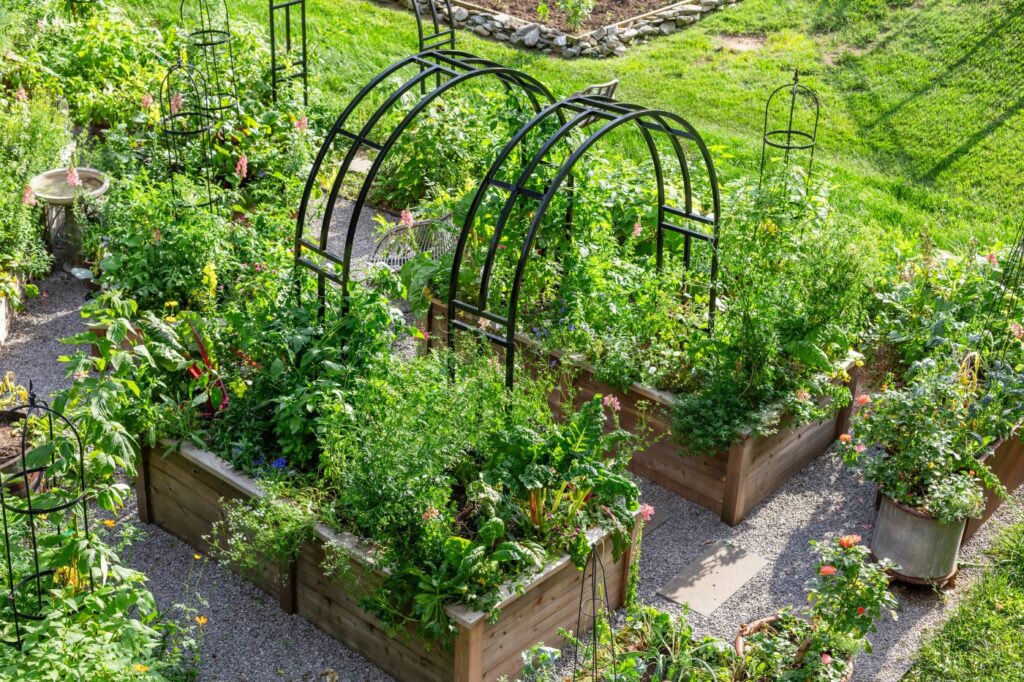
- Raised beds
- Vertical gardening
- Multi-story cropping
These methods maximize space.
3. Continuous Production
Different crops should be planted at different times to ensure a year-round harvest.
Example:
| Month | Crop |
| January | Spinach |
| February | Tomatoes |
| March | Beans |
This ensures a constant food supply.
4. Crop Diversity
A good kitchen garden should contain different crop categories.
Examples include:
Leafy vegetables
- Sukuma wiki
- Spinach
- Lettuce
Fruit vegetables
- Tomatoes
- Capsicum
- Eggplant
Root crops
- Carrots
- Beetroot
- Radish
Herbs
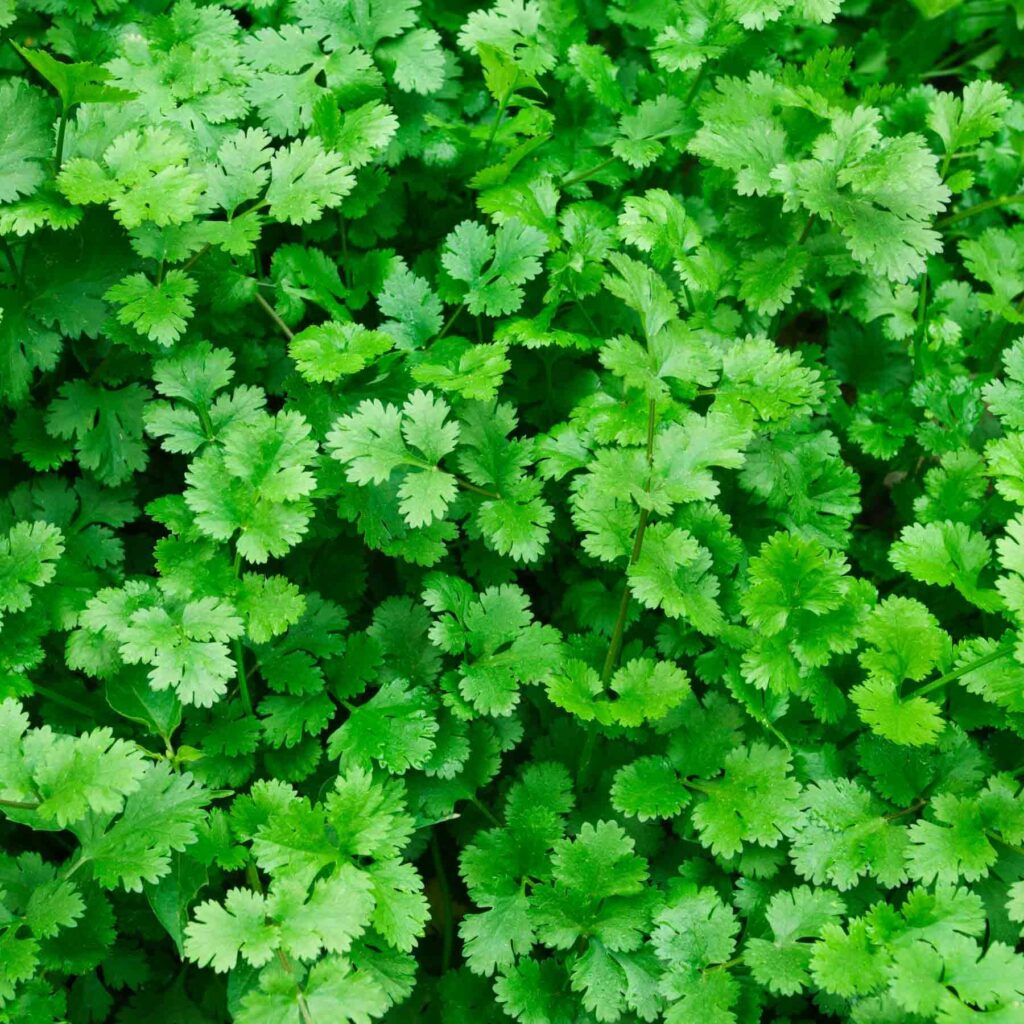
- Coriander
- Mint
- Basil
5. Use of Organic Inputs
Healthy kitchen gardens rely on:
- Compost manure
- Rabbit manure
- Cow manure
- Poultry manure
Types of Crops Suitable for Kitchen Gardens
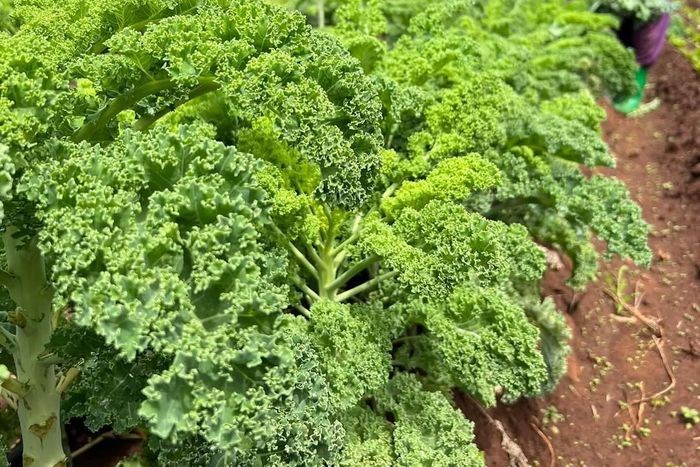
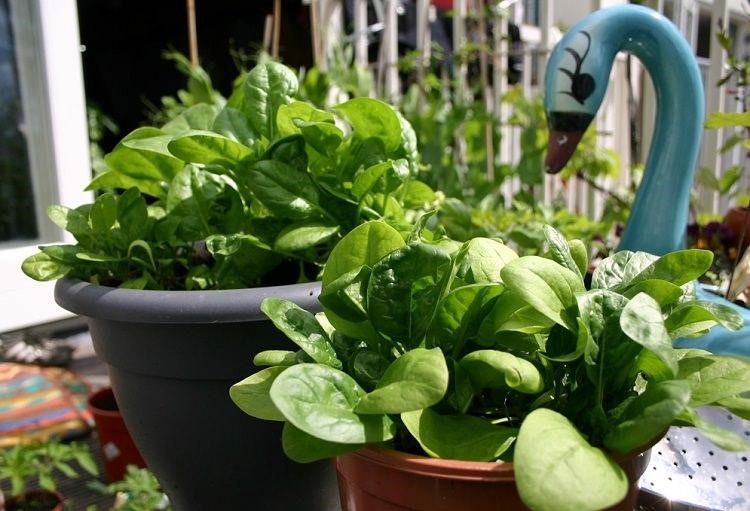
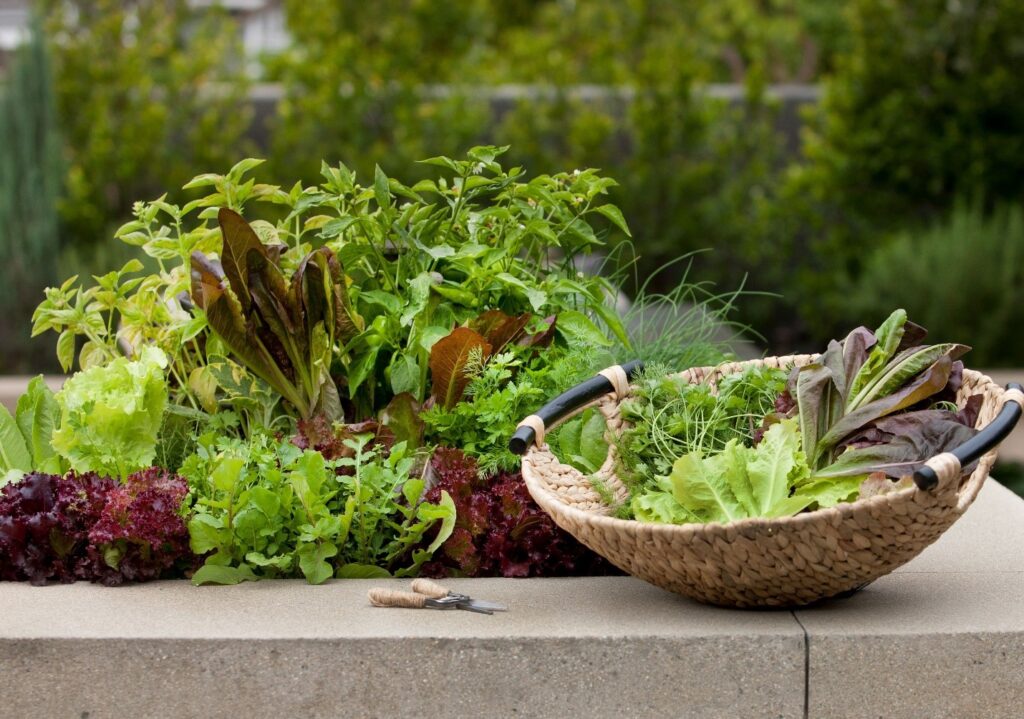
Leafy Vegetables
Leafy vegetables grow quickly and are harvested frequently.
Examples:
- Sukuma wiki (collard greens)
- Spinach
- Lettuce
- Swiss chard
- Amaranth
Advantages:
- Fast growing
- High nutritional value
Continuous harvesting
Fruit Vegetables
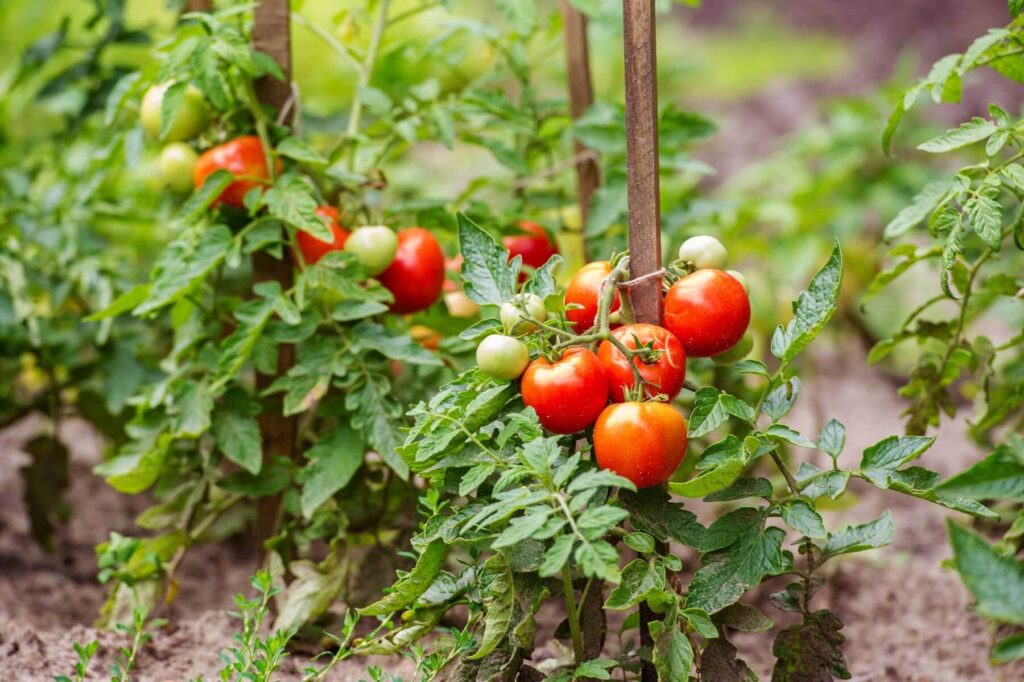
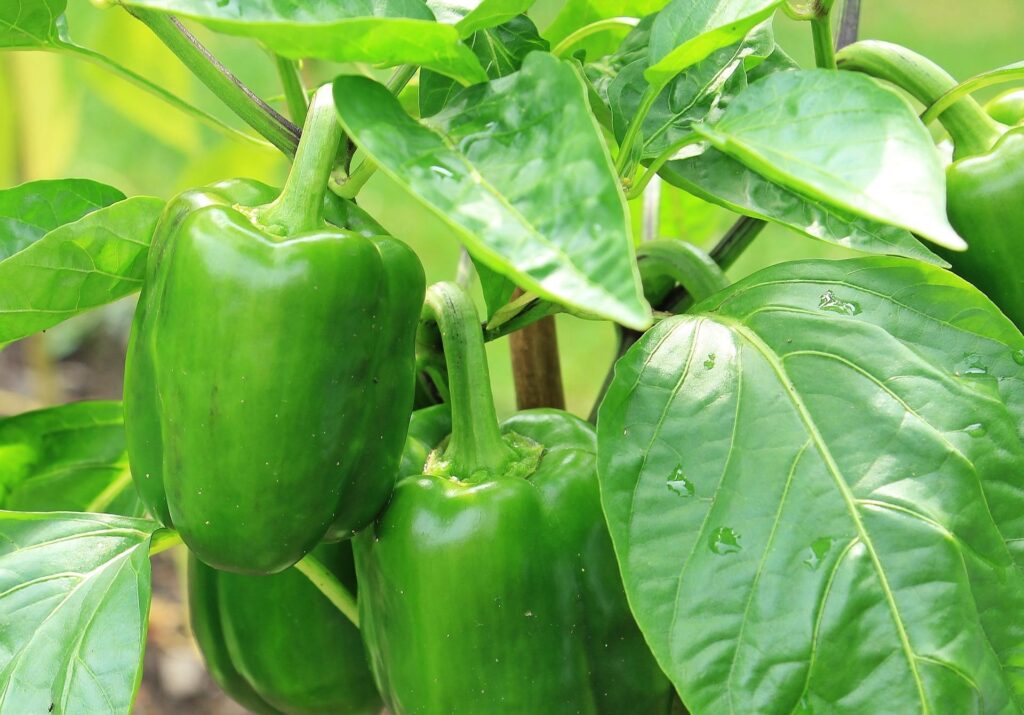
These vegetables produce edible fruits.
Examples:
- Tomatoes
- Capsicum
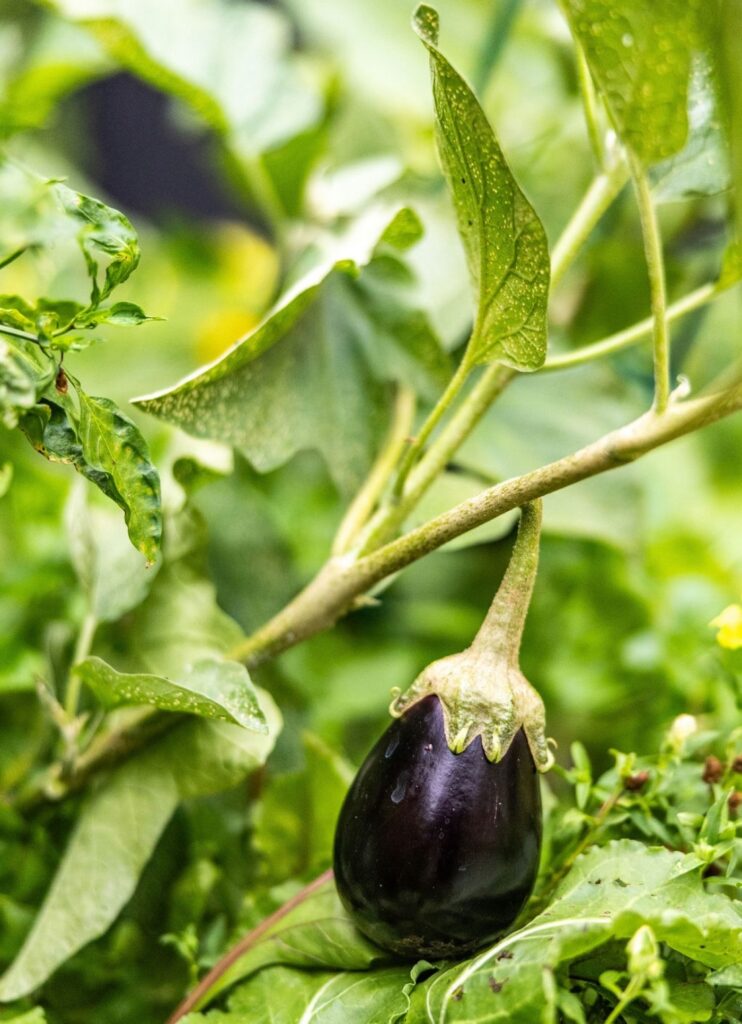
- Eggplant
- Cucumbers
- Okra
They provide vitamins and flavor to meals.
Root Vegetables
These vegetables grow underground.
Examples:
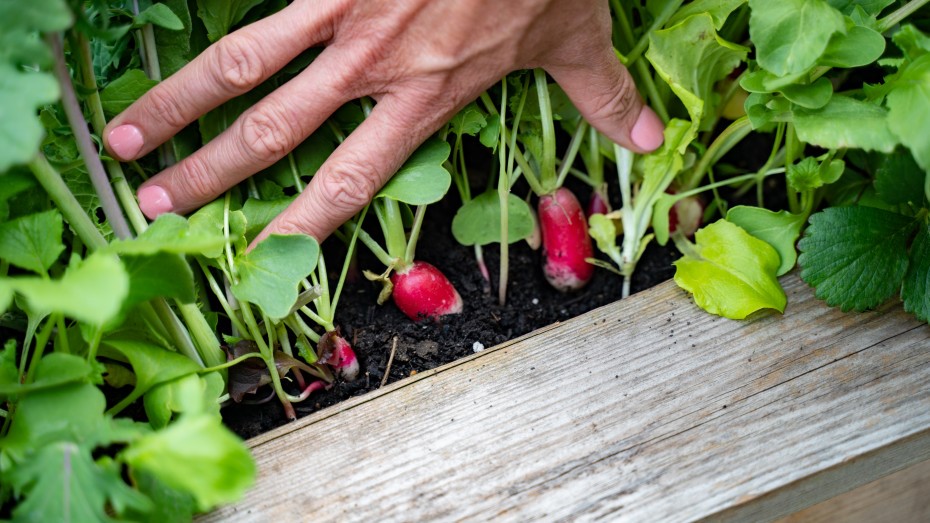
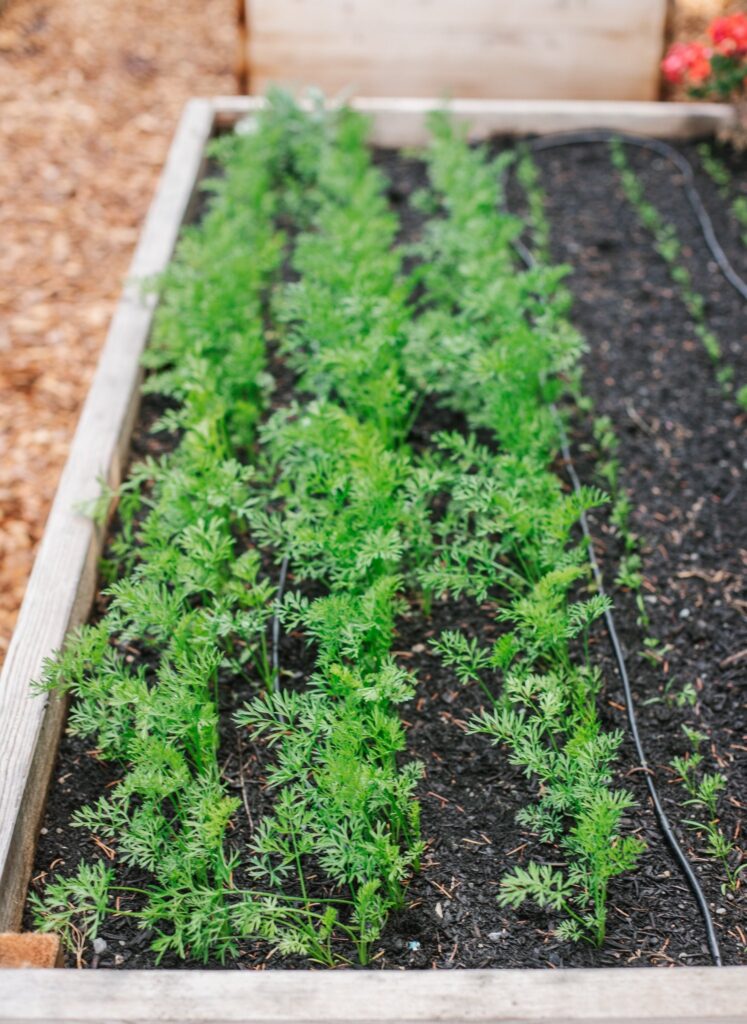
- Carrots
- Beetroot
- Radish
- Onion
- Garlic
They are rich in minerals and carbohydrates.
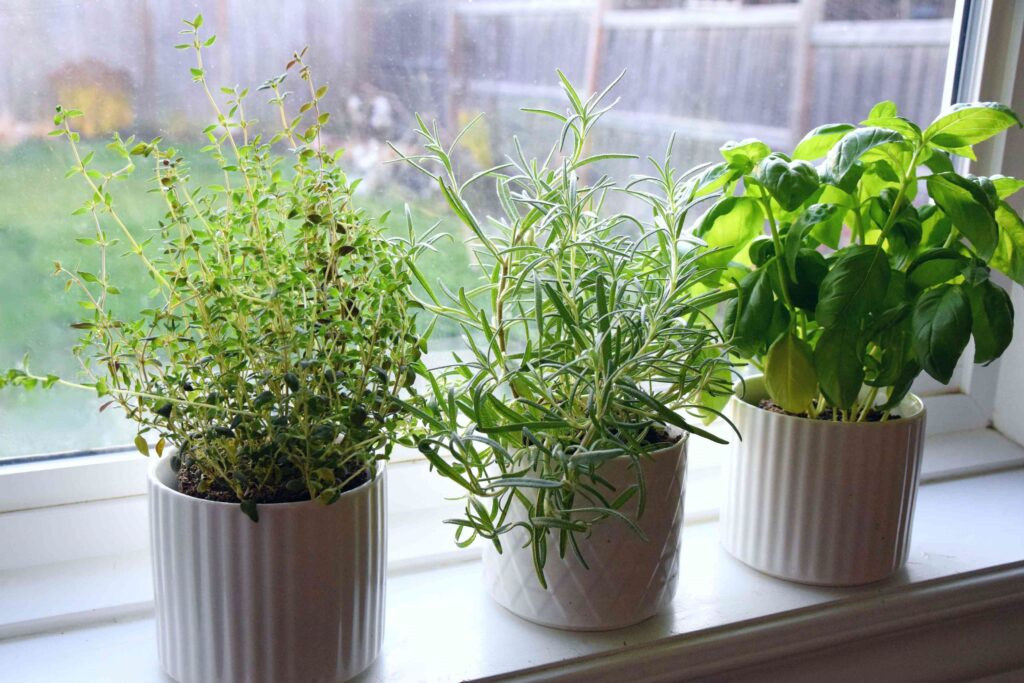
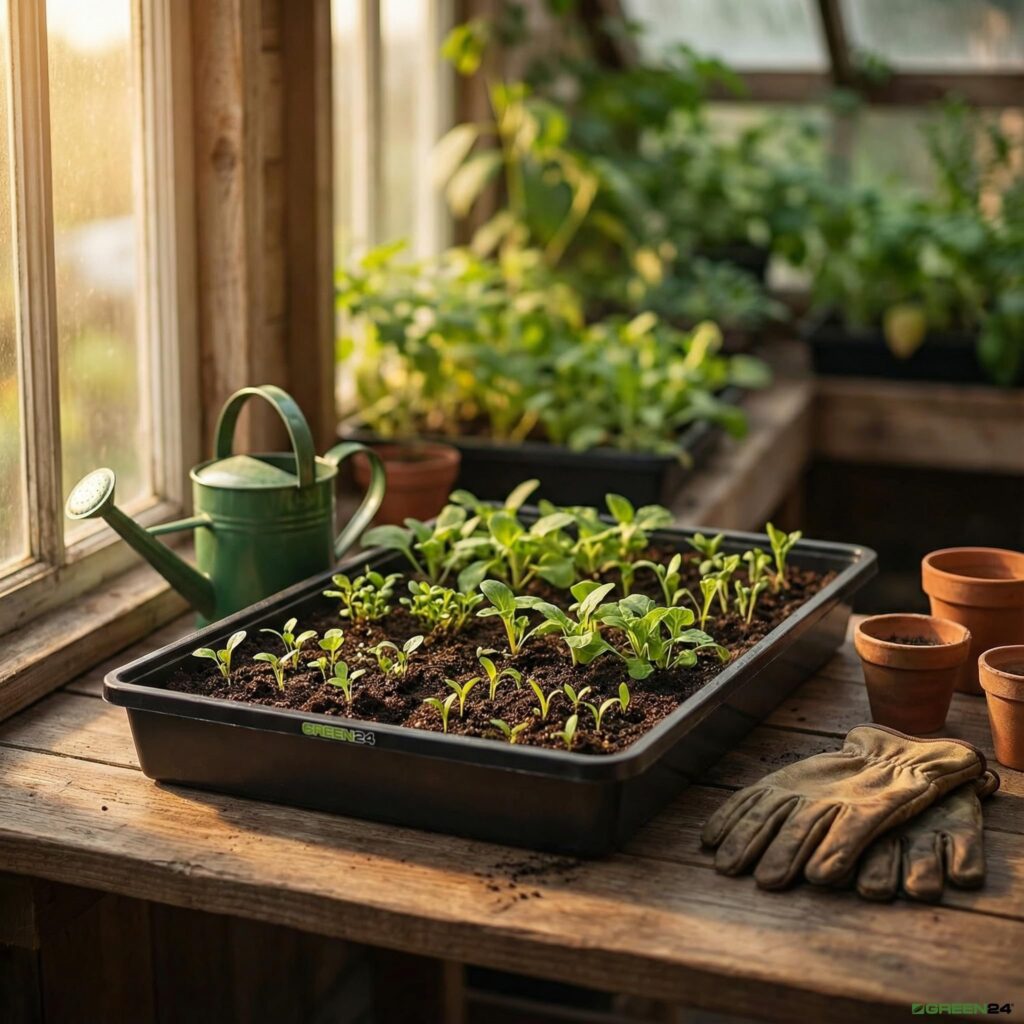
Herbs and Spices

.
Layout of a Kitchen Garden
A kitchen garden should be well-organized for easy management.
Typical layout components include:
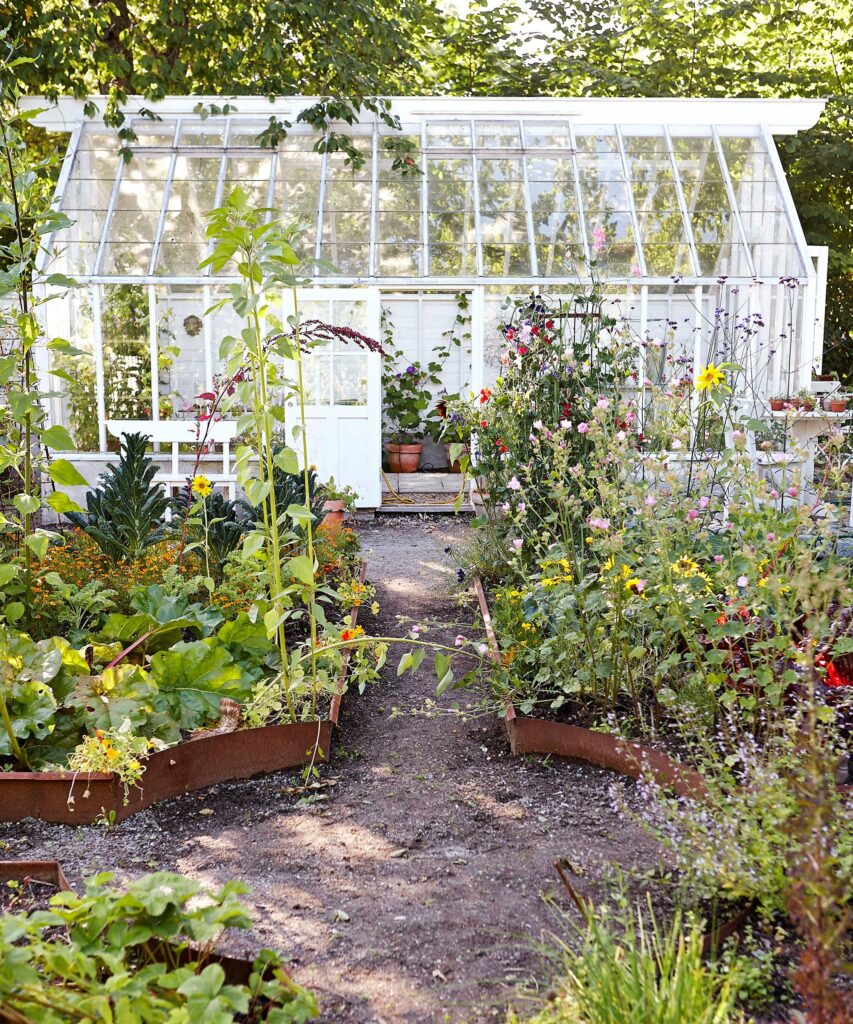
Vegetable Beds
Raised beds improve:
- Soil drainage
- Root growth
- Weed control
Paths
Paths allow movement without stepping on crops.
Compost Area
Organic waste can be converted into compost manure.
Water Source
The garden should be close to:
- A water tank
- Tap
- Drip irrigation system
Fence or Protection
Protection prevents damage from:
- Livestock
- Chickens
- Wildlife
Management Practices in Kitchen Gardens
1. Soil Preparation
Good soil preparation includes:
- Loosening soil
- Adding manure
- Removing stones
Soil should be:
- Fertile
- Well-drained
- Rich in organic matter
2. Irrigation
Vegetables require consistent moisture.
Methods include:
- Watering cans
- Drip irrigation
- Mulching to conserve water
3. Mulching
Mulch helps:
- Reduce evaporation
- Suppress weeds
- Improve soil structure
Materials used:
- Dry grass
- Leaves
- Straw
4. Pest and Disease Control
Kitchen gardens should use eco-friendly pest control methods such as:
- Neem extracts
- Garlic spray
- Beneficial insects
- Crop rotation
This prevents chemical contamination.
5. Crop Rotation
Crop rotation prevents:
- Soil nutrient depletion
- Pest build-up
- Disease spread
Example rotation:
Year 1: Leafy vegetables
Year 2: Legumes
Year 3: Root crops
Kitchen Garden Techniques
Multi-Story Gardening
Different plants grow at different heights.
Example:
- Bananas (top layer)
- Tomatoes (middle layer)
- Spinach (ground layer)
This maximizes space.
Vertical Gardening
Crops are grown vertically using:
- Trellises
- Stakes
- Walls
Examples:
- Cucumbers
- Beans
- Passion fruit
Sack Gardening
Vegetables are grown in sacks filled with soil.
This method is ideal for small spaces or urban homes.
Common Problems in Kitchen Gardens
Pest attacks
Examples:
- Aphids
- Caterpillars
- Whiteflies
Poor soil fertility
Caused by a lack of organic matter.
Water shortages
Especially during dry seasons.
Crop diseases
Examples:
- Powdery mildew
- Blight
Role of Kitchen Gardens in Climate Action
Kitchen gardens help fight climate change by:
- Reducing food transport emissions
- Promoting organic farming
- Increasing biodiversity
- Improving soil carbon storage
They are a key tool in climate-smart agriculture.
A kitchen garden is one of the most practical and sustainable farming systems for households. It ensures a continuous supply of nutritious food, reduces food expenses, promotes organic agriculture, and improves environmental sustainability.
For farmers and households, a well-managed kitchen garden can become a small but powerful food production system, providing fresh vegetables daily while strengthening family health and resilience.
0 Comments