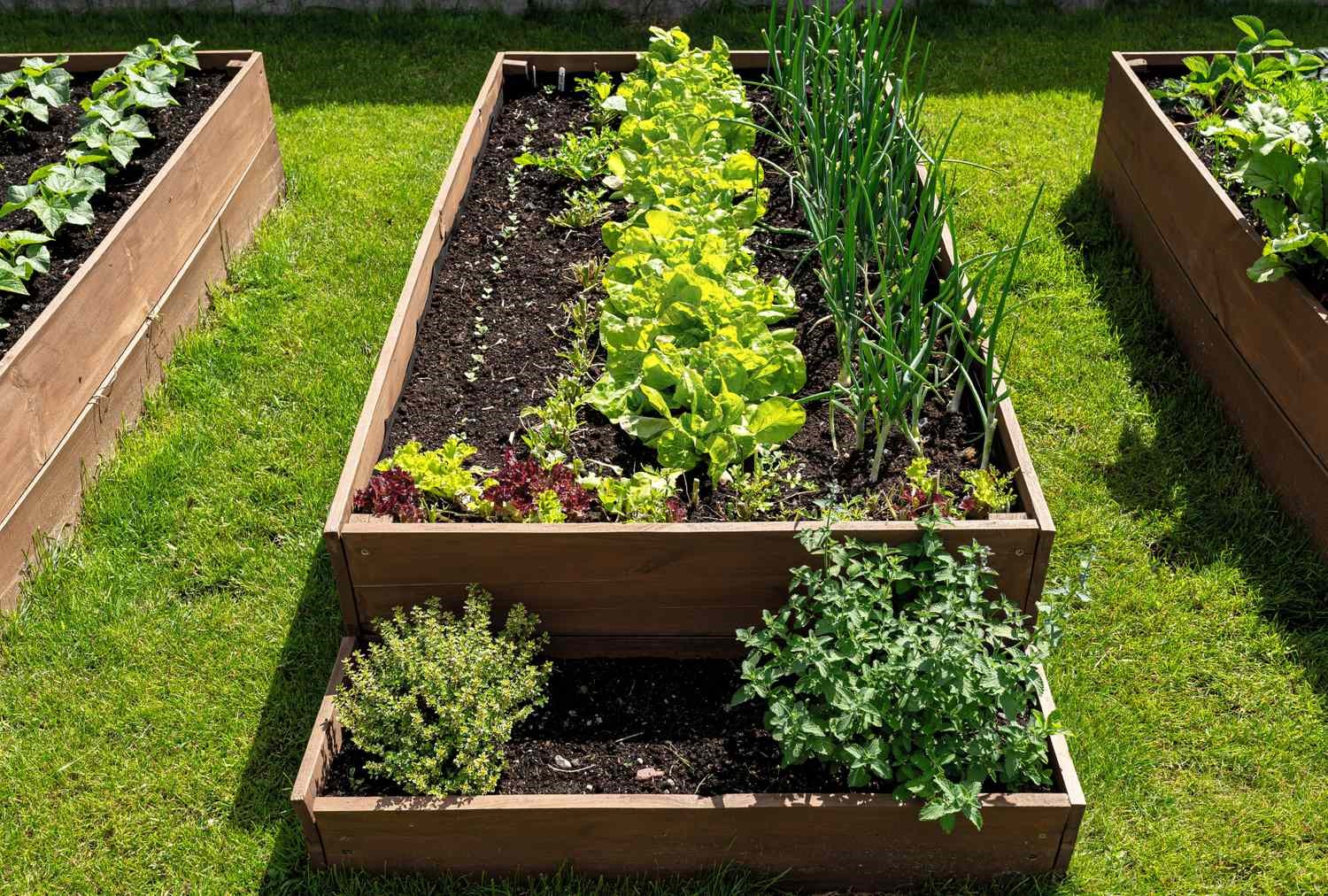

A kitchen garden is a highly productive gardening system designed to produce maximum food in a small space while improving soil fertility and sustainability. The method focuses on deep soil preparation, close plant spacing, organic fertility, water conservation, and crop diversity.
This approach is widely used in sustainable agriculture, climate-smart farming, and organic household food production, making it ideal for small farms and homes.
Site Selection for the Kitchen Garden
The first step in designing a kitchen garden is choosing the right location.
Characteristics of a Good Location
1. Near the house
The garden should be close to the kitchen so that vegetables can be harvested easily when cooking. This also helps farmers monitor crops frequently.
2. Access to water
A reliable water source should be nearby, such as:
- Water tank
- Tap
- Borehole
- Rainwater harvesting tank
Vegetables require frequent watering.
3. Good sunlight
Vegetables need 6–8 hours of sunlight daily for proper growth and production.
4. Good soil drainage
The area should not have standing water. Waterlogged soil causes root diseases.
Planning the Garden Layout
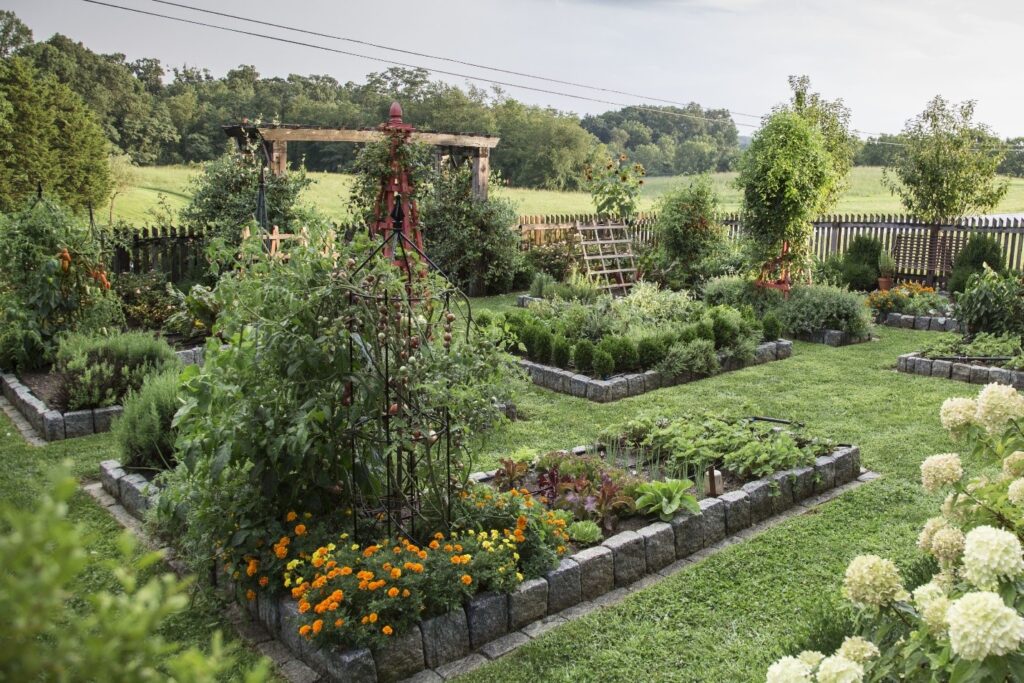
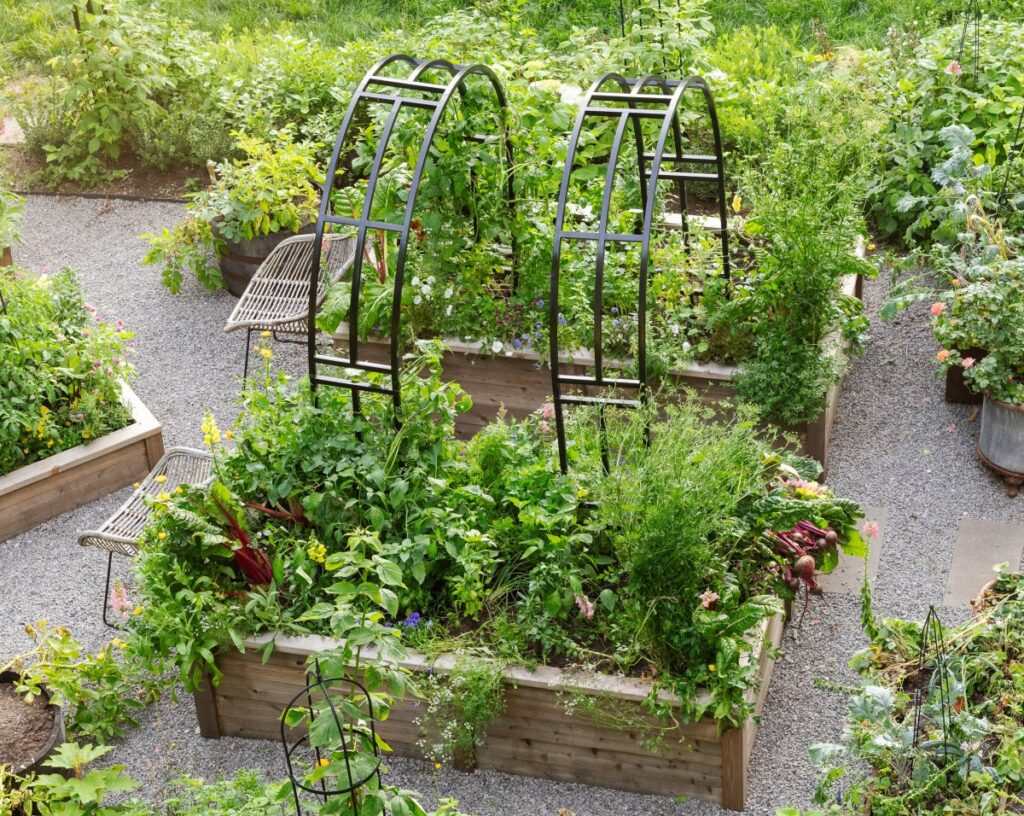
A kitchen garden should be well organized to make it easy to manage crops.
Typical Layout Components
A well-designed kitchen garden may include:
- Vegetable beds
- Walking paths
- Compost area
- Nursery bed
- Water storage area
- Herb section
- Vertical crop structures
The layout should allow easy movement without stepping on the planting beds.
Walking paths reduce soil compaction and protect plant roots.
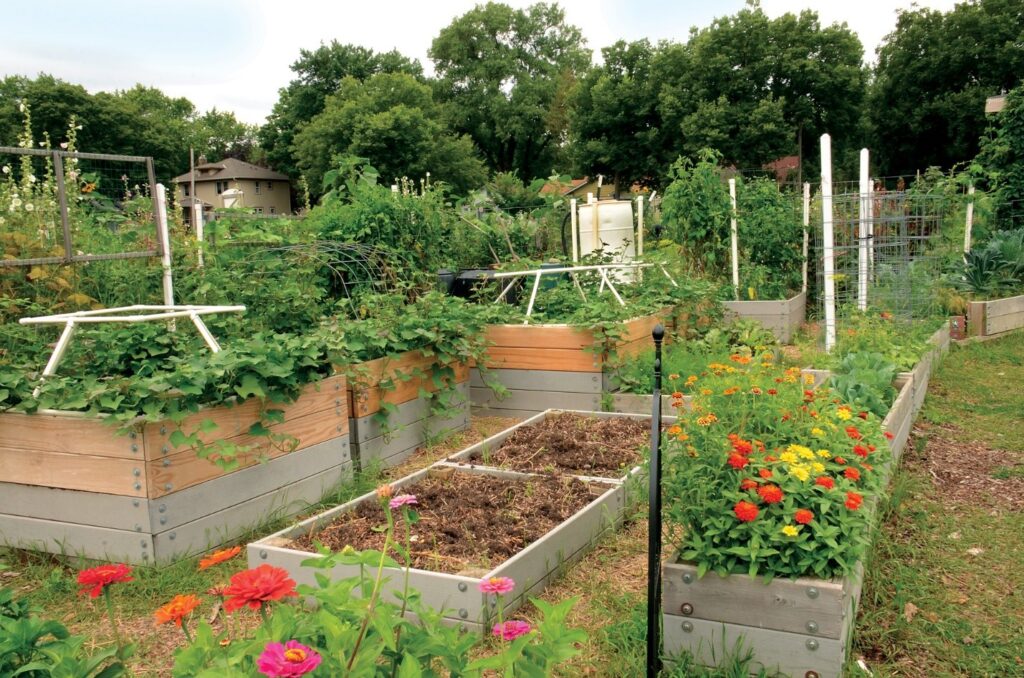
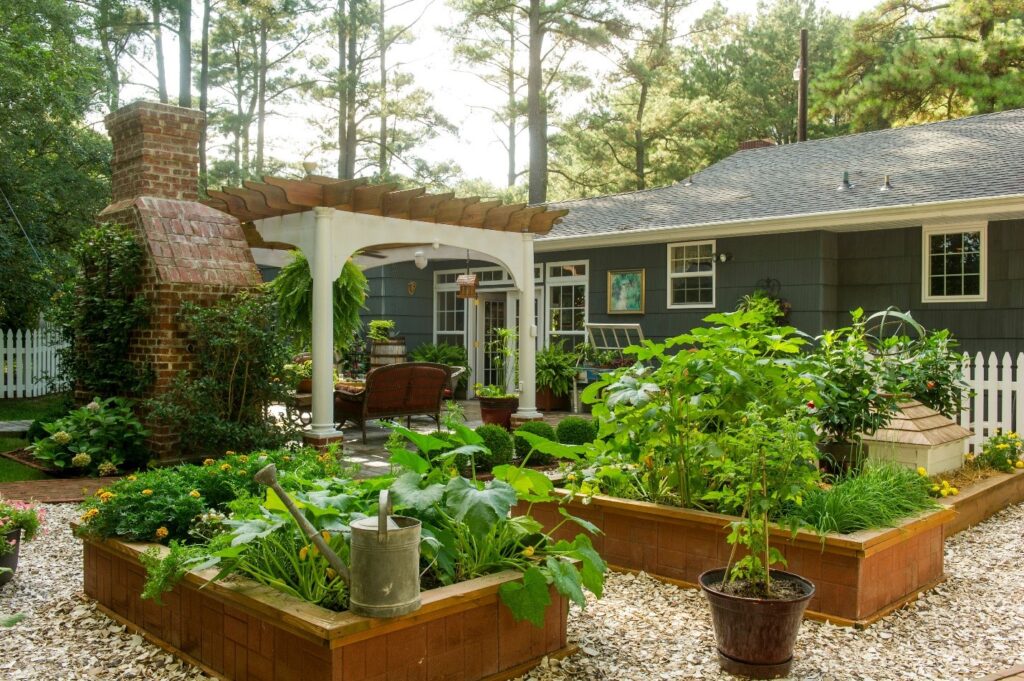
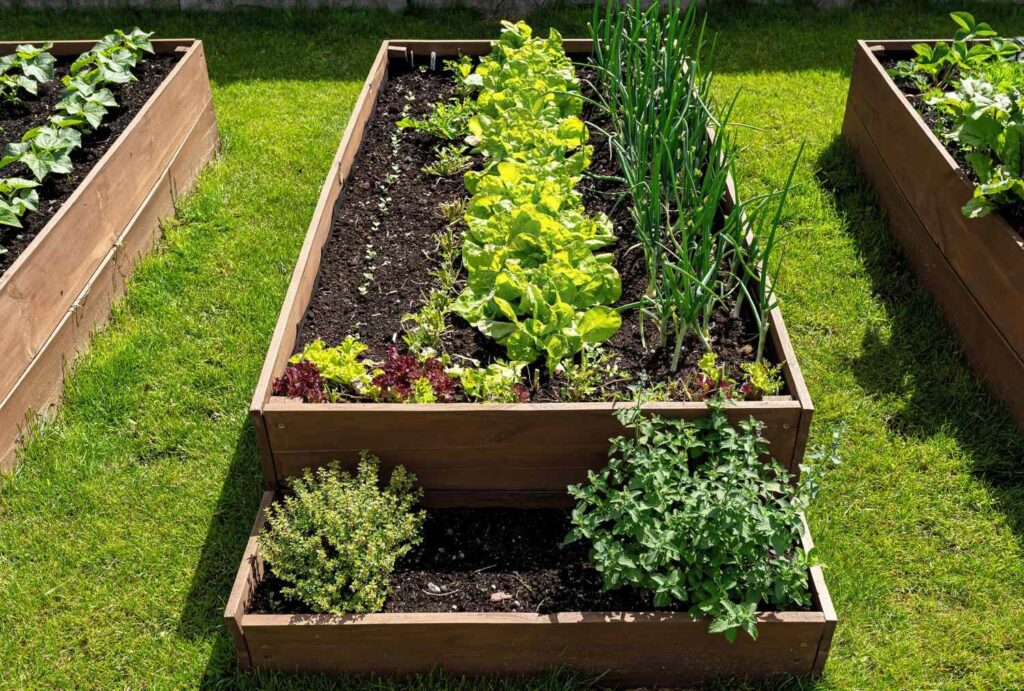
Raised Beds or Double-Dig Beds
Bio-intensive gardening uses deep soil preparation known as double digging.
What is Double Digging?
Double digging means loosening soil up to 60 cm deep to improve:
- Root penetration
- Water infiltration
- Soil aeration
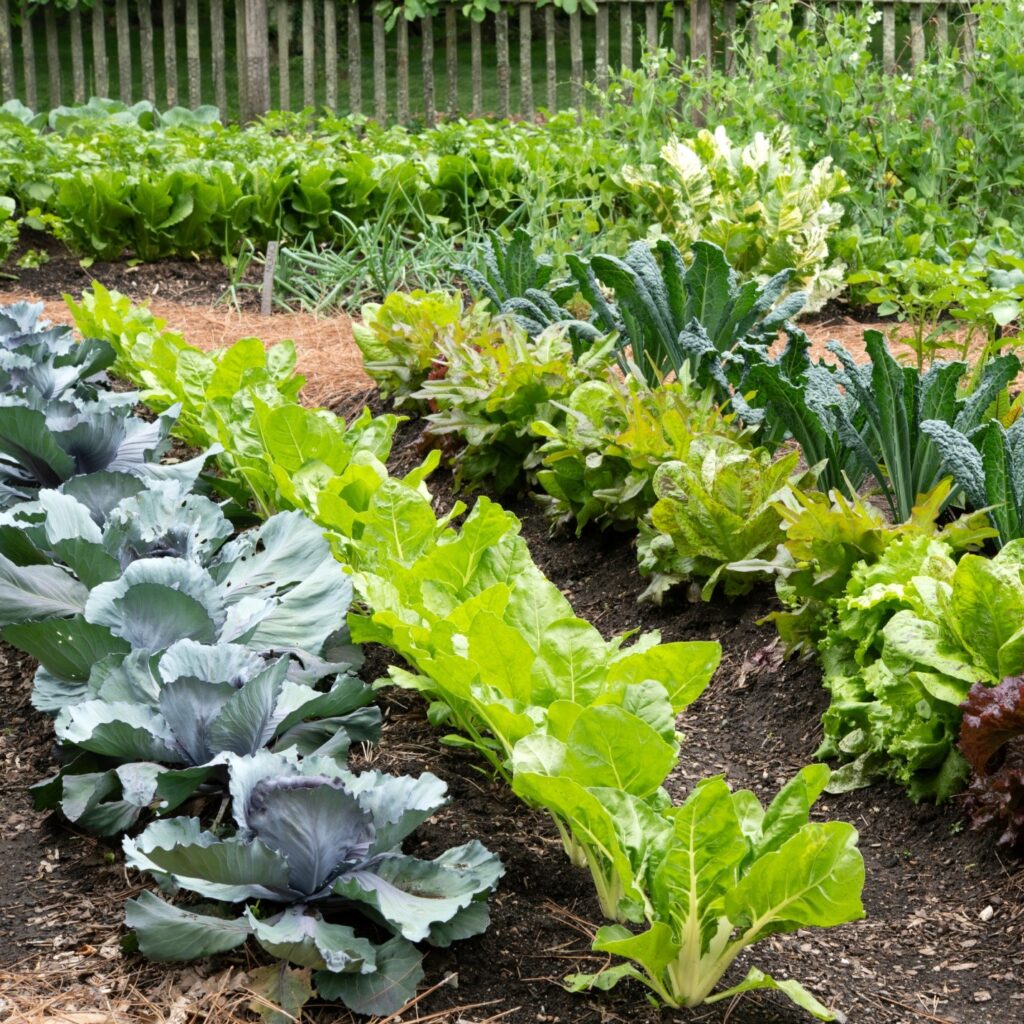
Steps in Double Digging
- Remove topsoil from the first trench.
- Loosen the second layer of soil using a fork.
- Add compost or manure.
- Move soil from the next trench forward.
This process creates deep fertile soil beds.
Advantages
- Strong root development
- Better nutrient absorption
- Increased crop yields
Close Plant Spacing
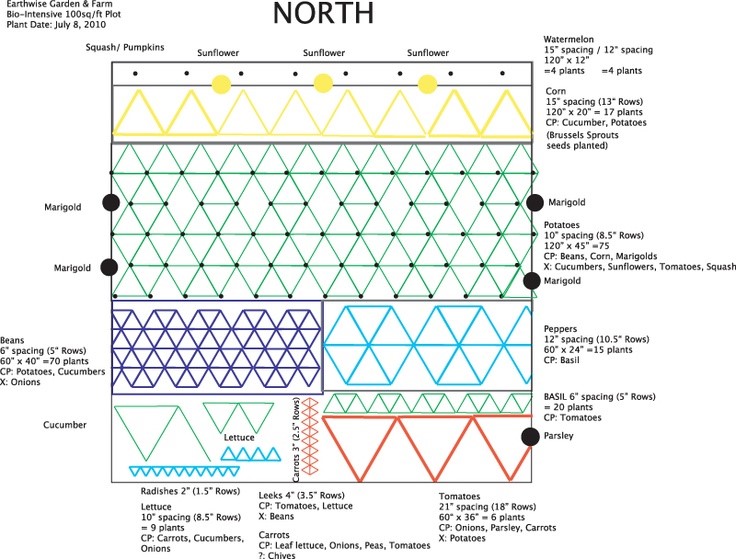
Bio-intensive gardening uses close spacing to maximize production.
Plants are arranged in triangular patterns rather than straight rows.
Benefits of Close Spacing
- Plants shade the soil naturally.
- Soil moisture is conserved.
- Weed growth is reduced.
- Higher yields per small area.
For example:
| Crop | Spacing |
| Lettuce | 25 cm |
| Spinach | 20 cm |
| Cabbage | 45 cm |
| Tomatoes | 60 cm |
This system allows more plants per square meter.
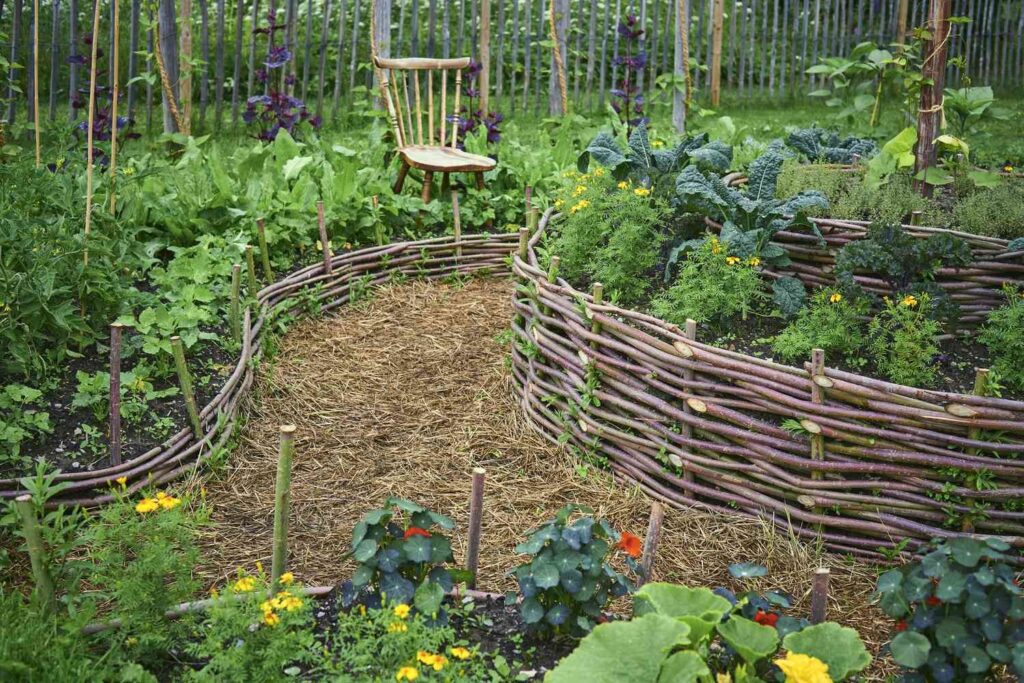
Zigzag planting method is a gardening technique used to maximize space and improve plant growth, especially in raised beds or small plots. It involves planting rows in a staggered, zigzag pattern rather than straight lines, allowing for more plants per unit area—up to 15% more than traditional square or straight-row layouts.
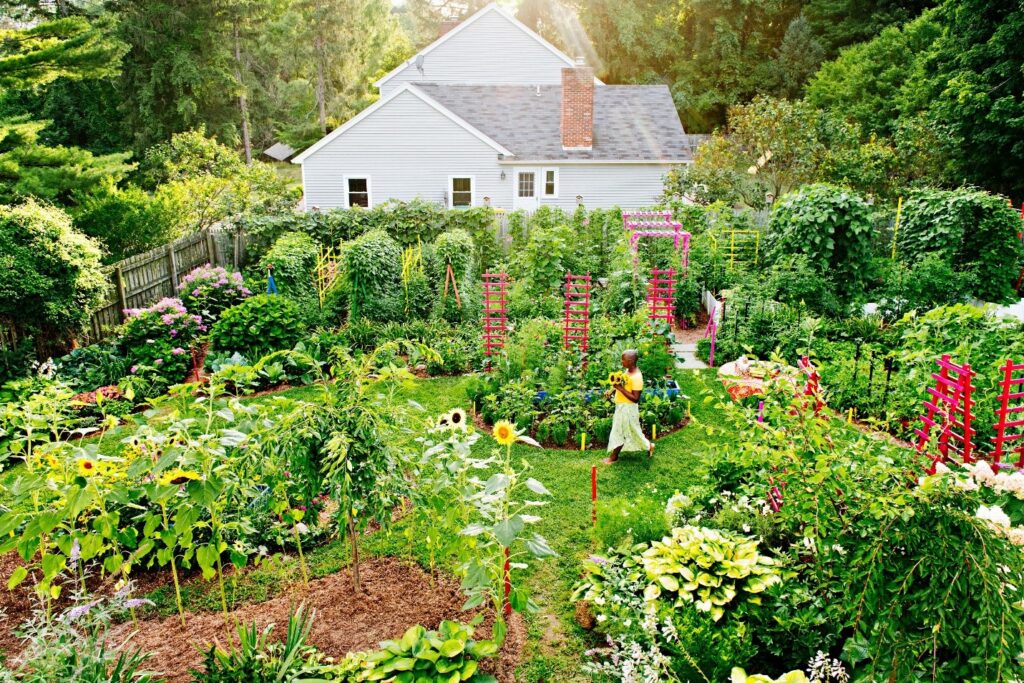
Compost and Organic Fertility Management
Bio-intensive kitchen gardens rely heavily on organic fertilizers.
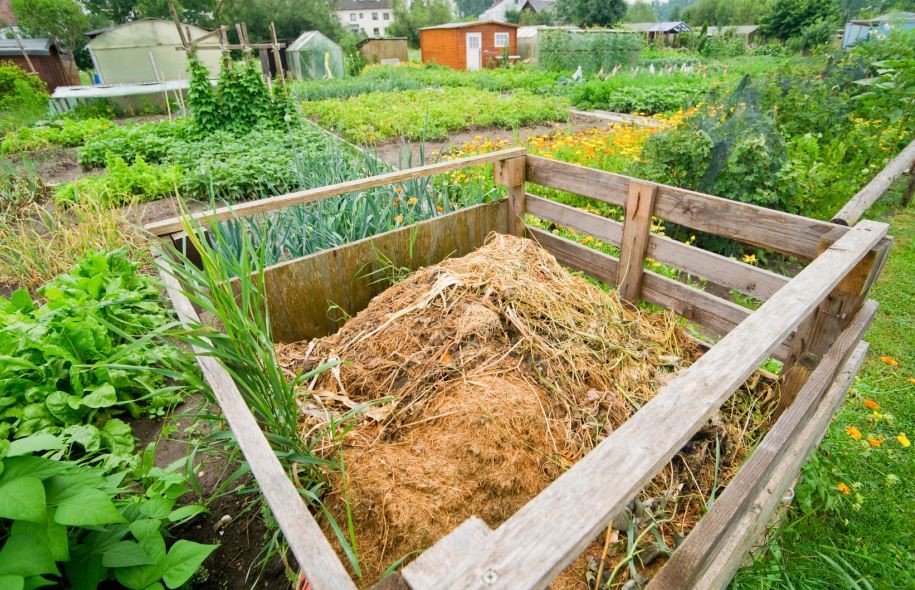
Compost
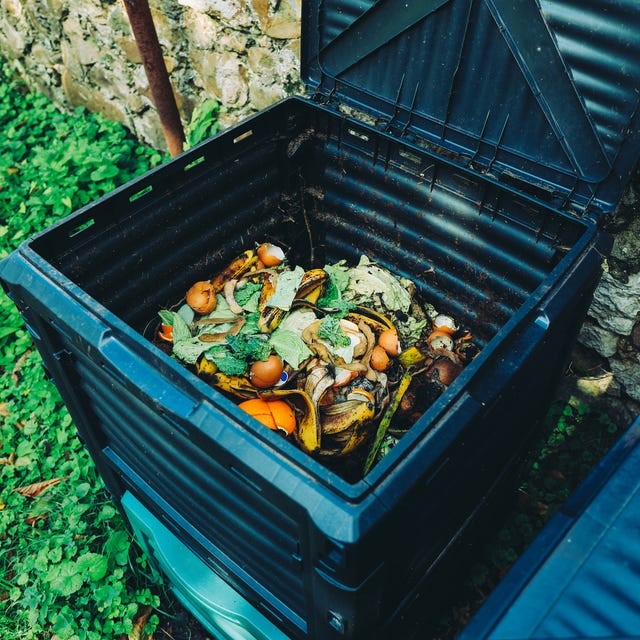
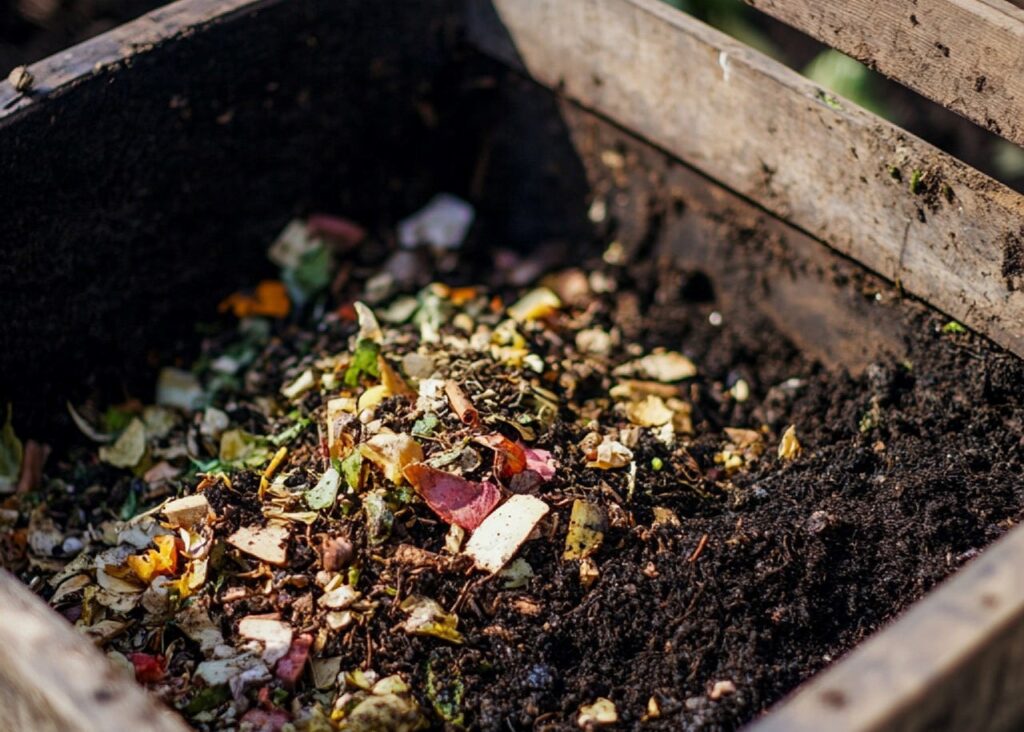
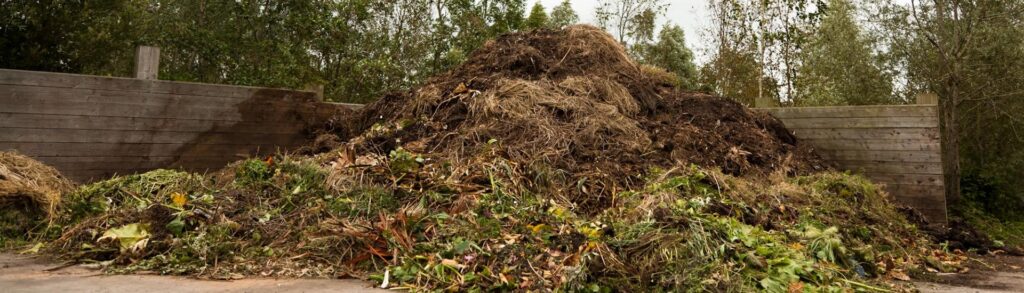
Compost is decomposed organic material used to enrich soil.
Materials used include:
- Vegetable waste
- Dry leaves
- Grass clippings
- Animal manure
- Crop residues
Benefits of Compost
Compost:
- Improves soil fertility
- Increases soil microorganisms
- Improves water retention
- Reduces need for chemical fertilizers
Every kitchen garden should have a small compost area.
Crop Diversity in the Kitchen Garden
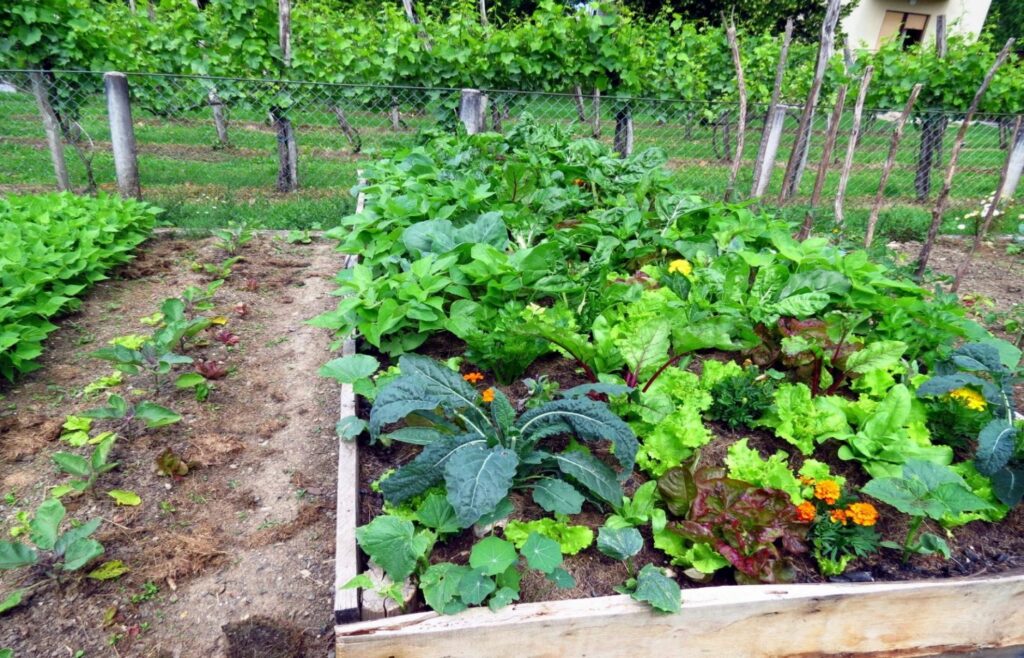
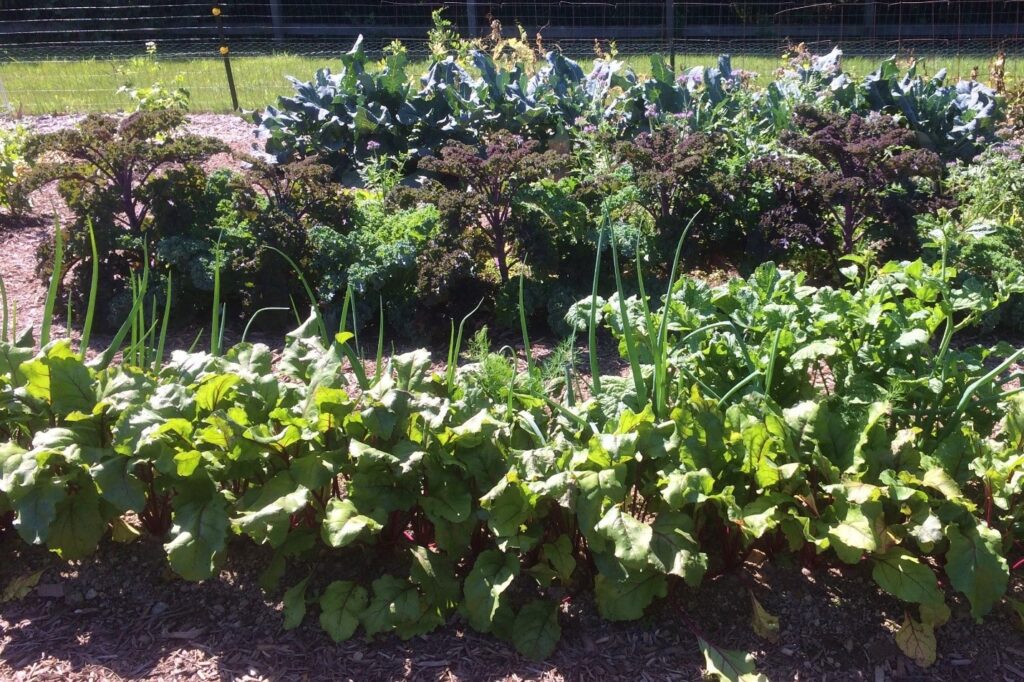
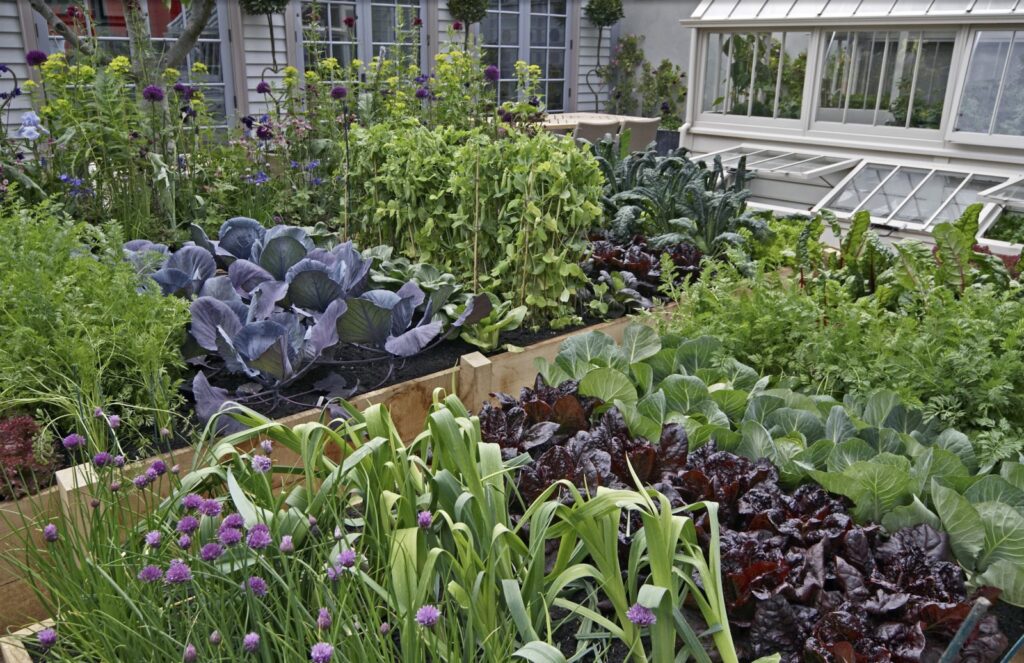
Bio-intensive kitchen gardens grow many crops together instead of monocropping.
Types of Crops to Include
Leafy vegetables
- Spinach
- Sukuma wiki
- Lettuce
Fruit vegetables
- Tomatoes
- Capsicum
- Eggplant
Root crops
- Carrots
- Beetroot
- Radish
Legumes
- Beans
- Peas
Herbs
- Coriander
- Basil
- Mint
Crop diversity improves nutritional balance and pest control
Vertical Gardening
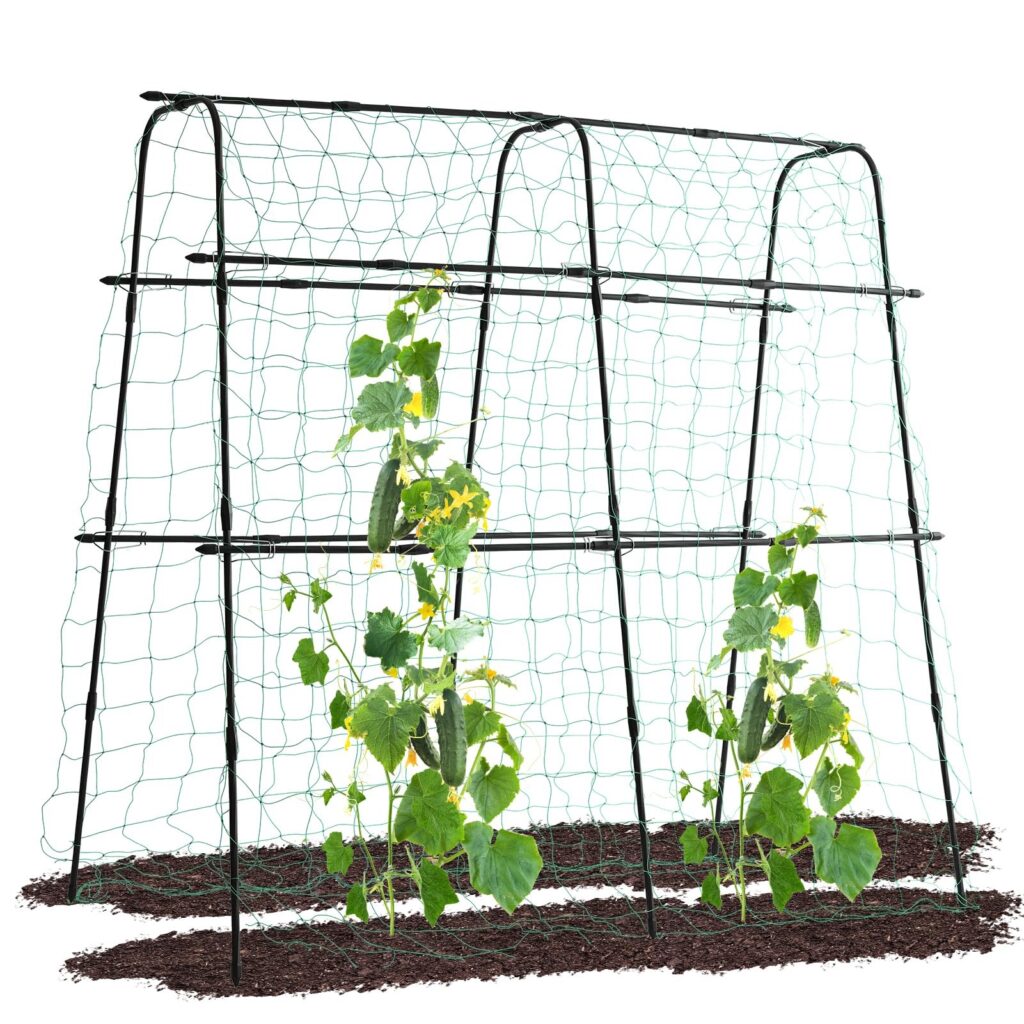
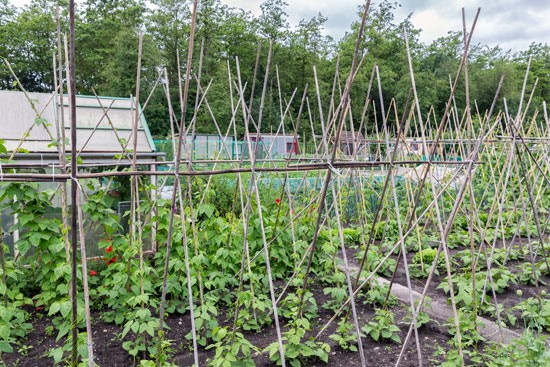
Vertical gardening helps utilize vertical space.
Climbing plants grow upward using support structures.
Crops Suitable for Vertical Gardening
- Cucumbers
- Beans
- Passion fruits
- Tomatoes
Advantages
Vertical gardening:
- Saves space
- Improves airflow
- Reduces disease
- Makes harvesting easier
Water Management in the Kitchen Garden
Vegetables require consistent moisture for proper growth.
Watering Methods
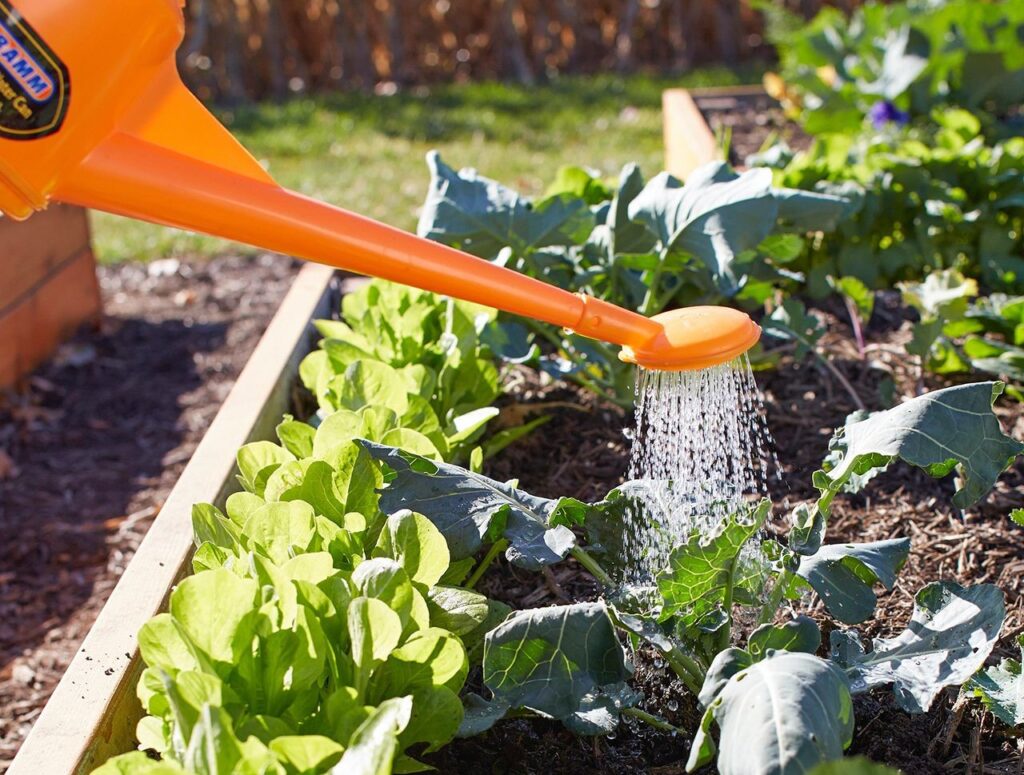
1. Watering cans
Common in small gardens.
2. Drip irrigation
Drip systems deliver water directly to plant roots.
Benefits include:
- Water conservation
- Reduced evaporation
- Efficient watering
3. Rainwater harvesting
Rainwater collected from rooftops can be used for irrigation.
Integration of Beneficial Insects
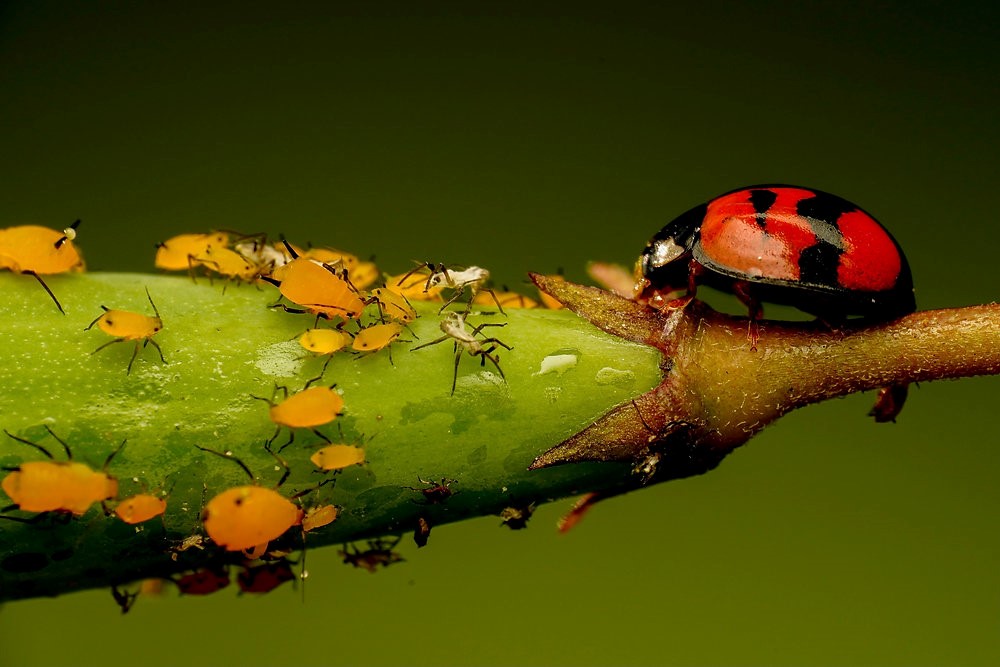
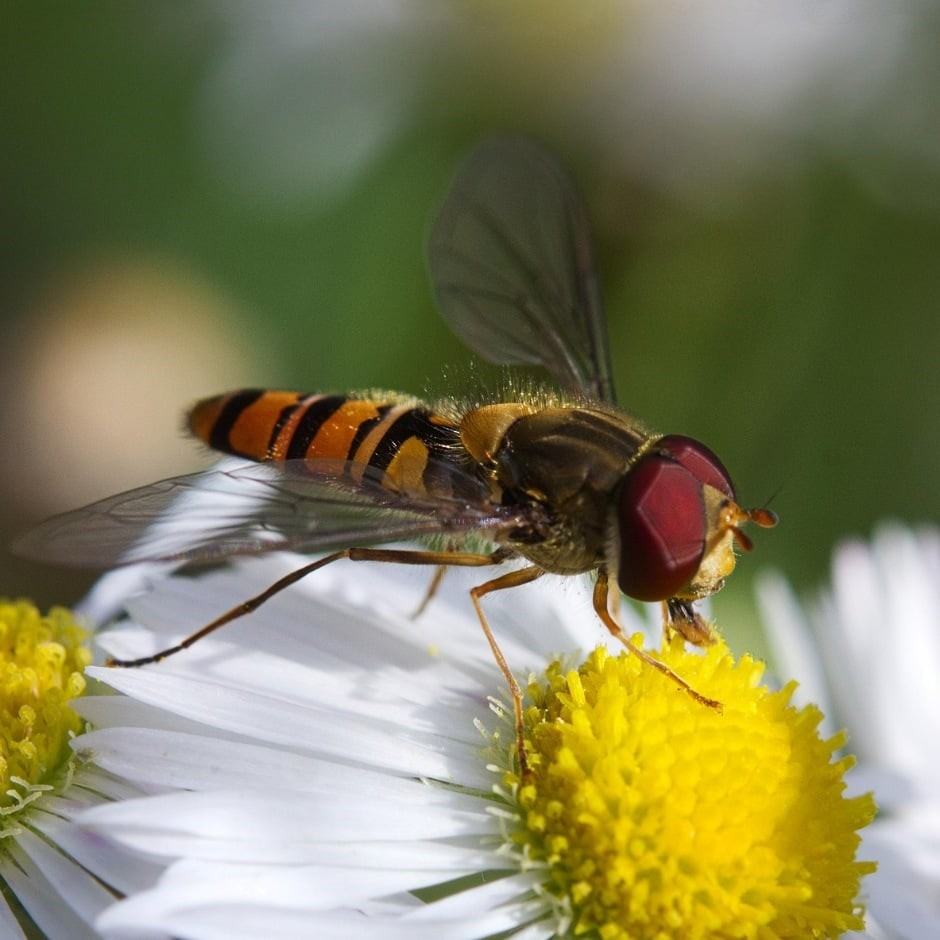
A healthy kitchen garden supports beneficial insects.
These insects help control pests naturally.
Examples include:
- Ladybird beetles
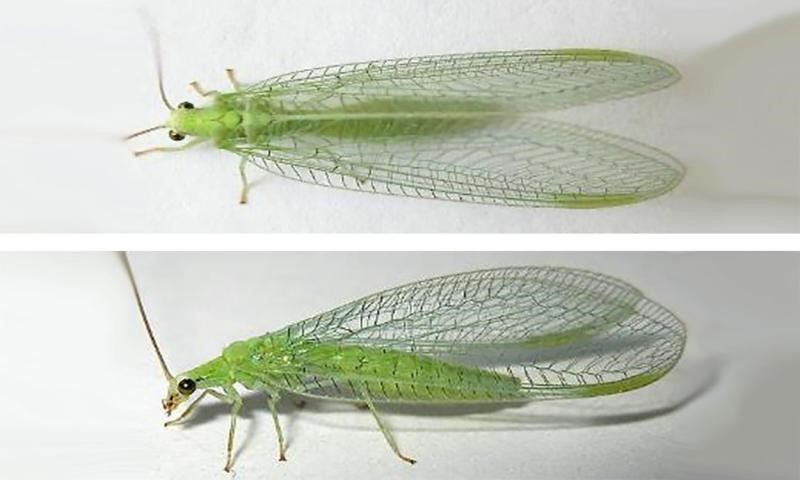
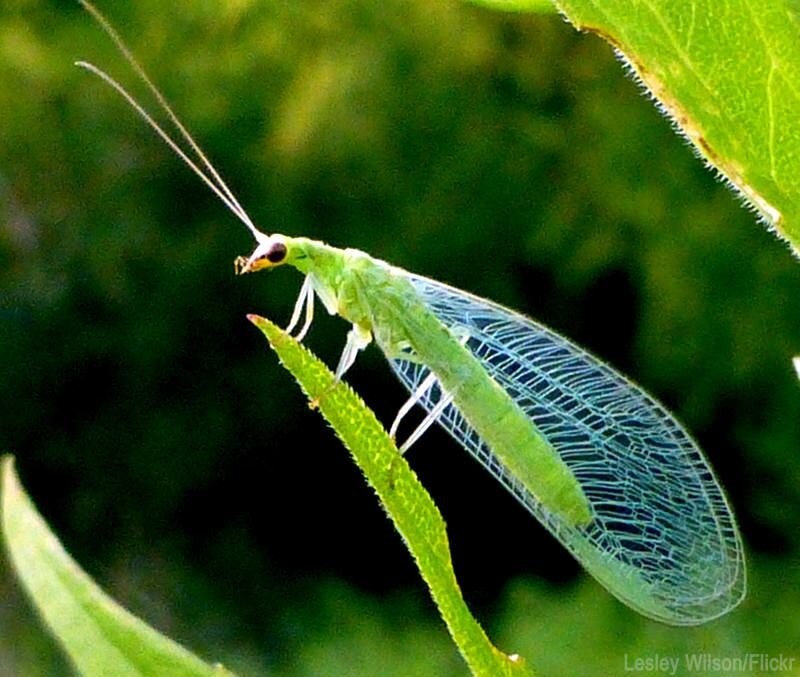
- Lacewings
- Hoverflies
- Praying mantis
How to Attract Beneficial Insects
Plant flowers such as:
- Sunflowers
- Marigolds
- Basil
- Dill
These plants provide nectar and shelter.
Mulching and Soil Protection
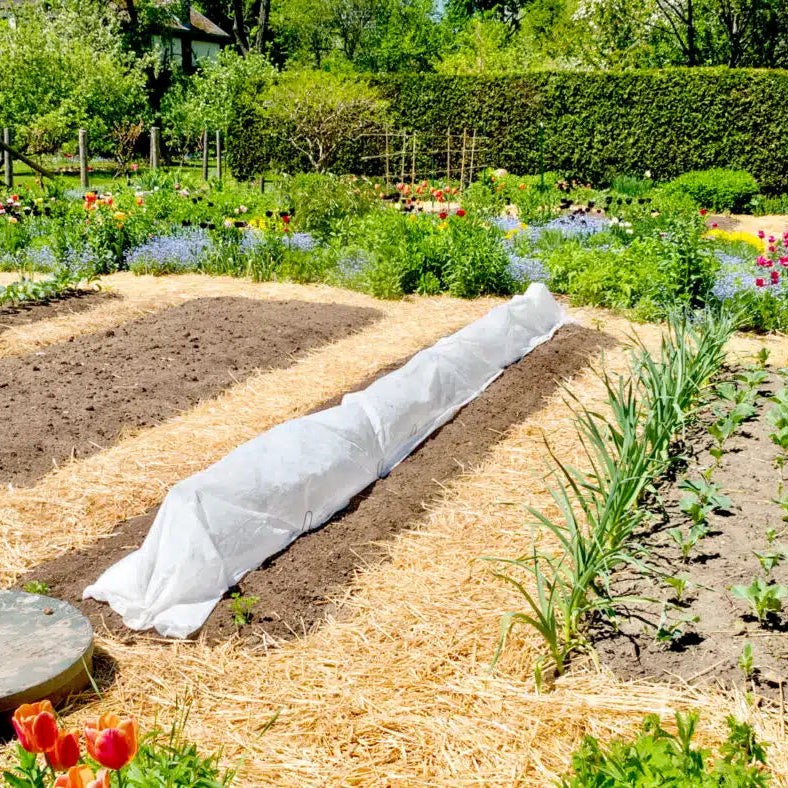
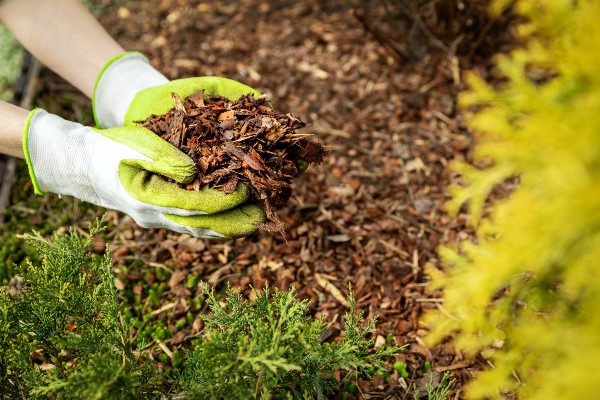
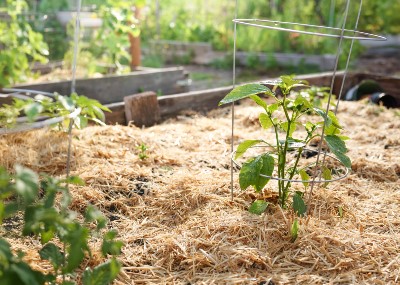
Mulching is essential in bio-intensive kitchen gardens.
Materials Used
- Dry grass
- Straw
- Leaves
- Crop residues
Benefits
Mulching:
- Conserves moisture
- Reduces weeds
- Improves soil fertility
- Protects soil microorganisms
Continuous Crop Production
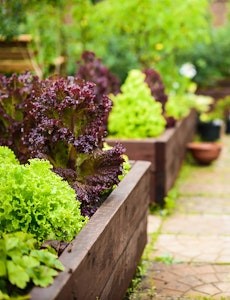
A good kitchen garden provides continuous harvests throughout the year.
This is achieved through succession planting.
Example
When one crop is harvested, another is planted immediately.
Example cycle:
Spinach → Beans → Carrots → Lettuce
This ensures the garden is always productive.
A kitchen garden is a highly efficient and sustainable farming system that allows households to produce large amounts of food in small spaces.
By combining:
- Deep soil preparation
- Compost fertility
- Close spacing
- Crop diversity
- Vertical gardening
- Mulching
- Water conservation
The kitchen garden becomes a self-sustaining ecosystem that supports family nutrition, environmental conservation, and long-term soil health.
Such systems are powerful tools for household food security, climate resilience, and sustainable agriculture.
0 Comments