
A kitchen garden is more than just a place where vegetables are grown near the house. When well managed, it becomes a complete sustainable food system that supports family nutrition, soil health, biodiversity, and environmental conservation.
A properly designed kitchen garden integrates important ecological practices such as:
- Mulching
- Integrated Pest Management (IPM)
- Soil health management
- Organic nutrient cycling
- Water conservation
These practices make the kitchen garden self-sustaining, meaning it can continue producing food year after year with minimal external inputs.
Mulching in a Kitchen Garden
What is Mulching?
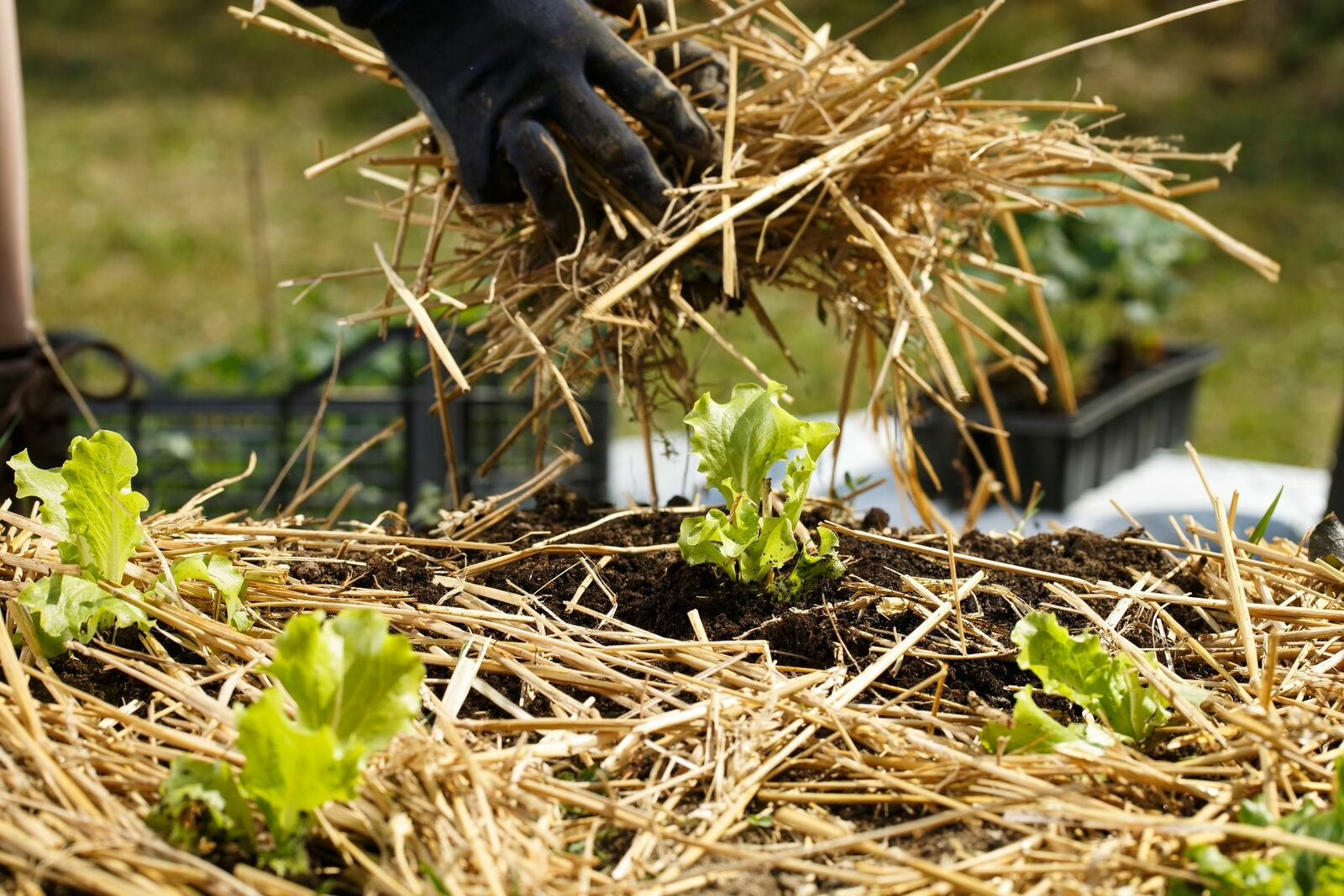
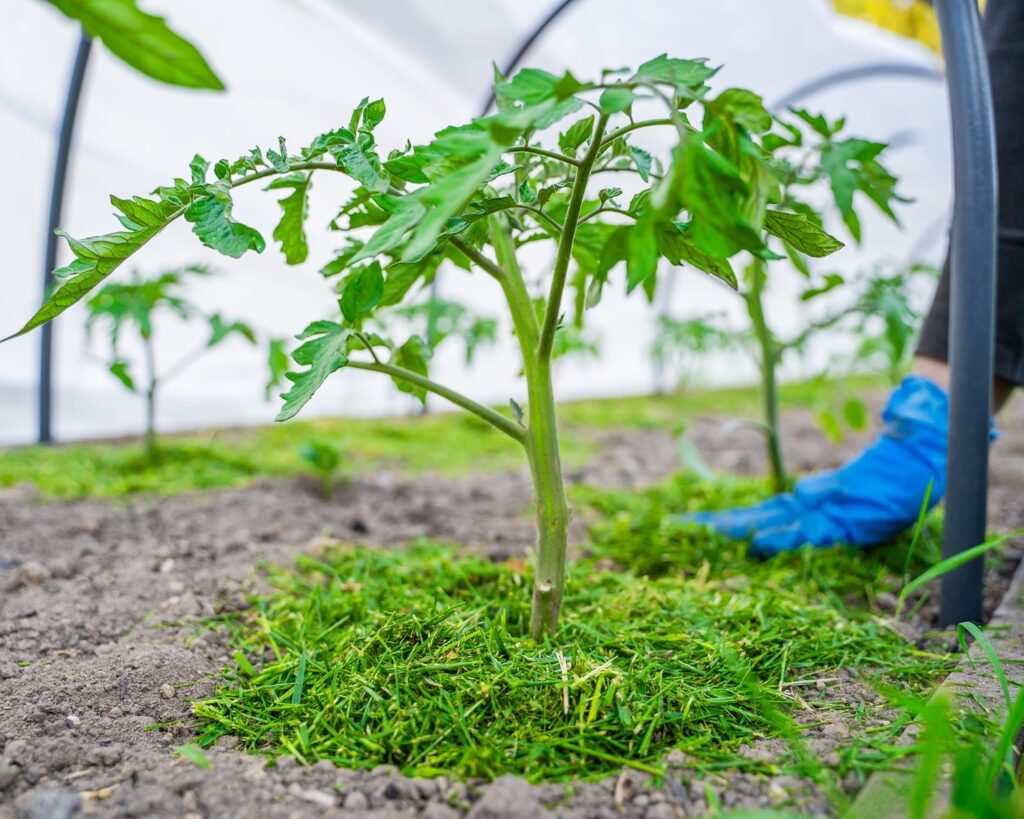
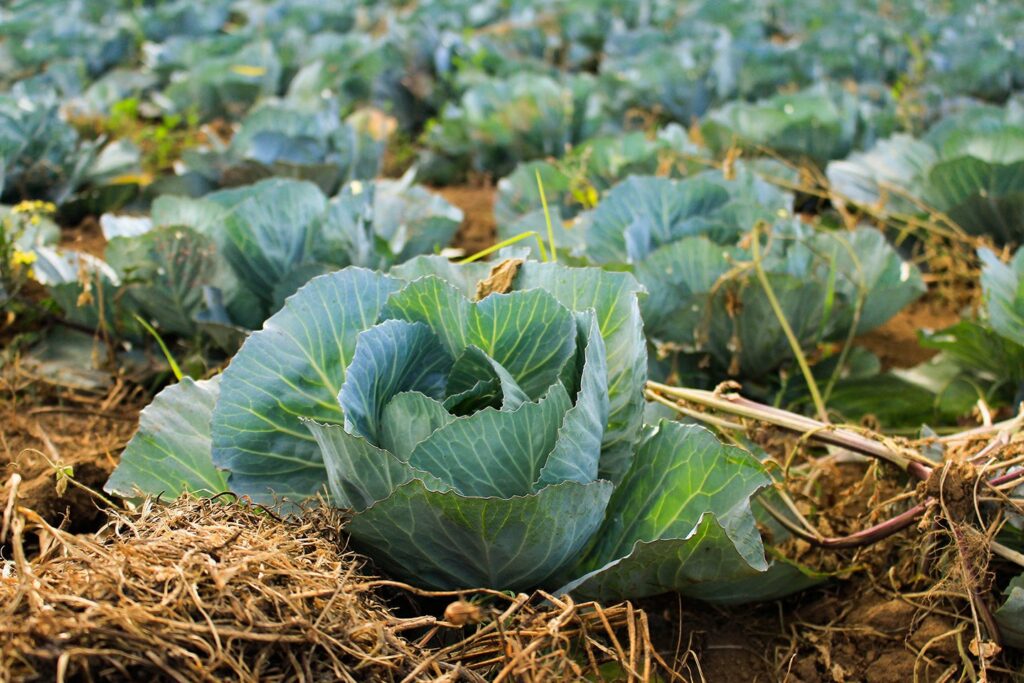
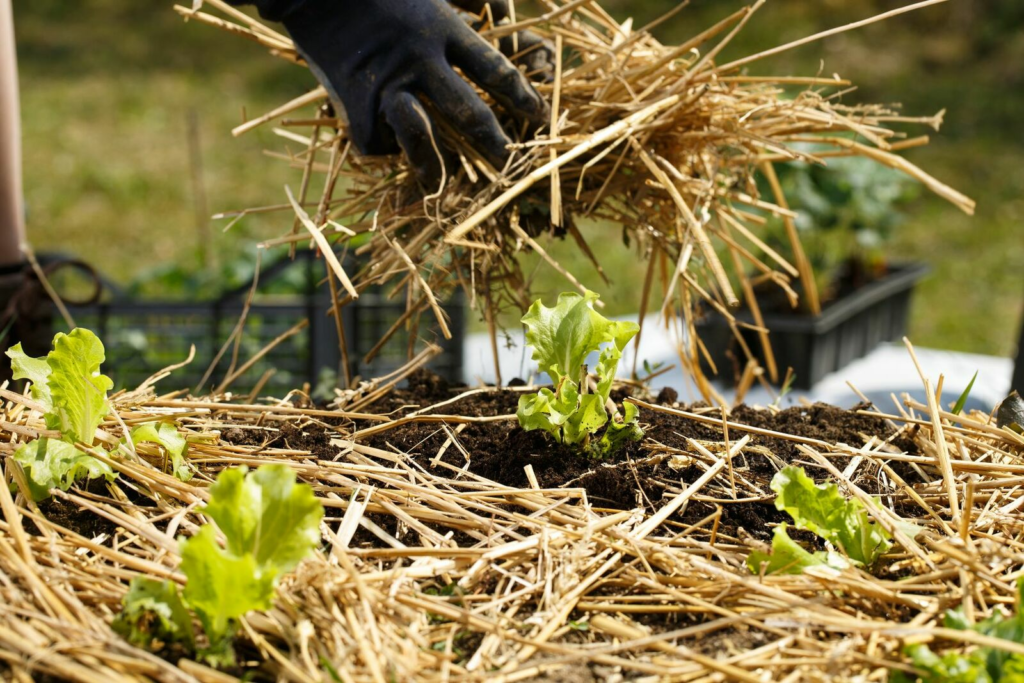
Mulching is the practice of covering the soil surface around plants with organic or inorganic materials to protect the soil.
In kitchen gardens, farmers mostly use organic mulch materials because they also improve soil fertility.
Common mulch materials include:
- Dry grass
- Straw
- Crop residues
- Dry leaves
- Banana leaves
- Wood chips
- Sawdust
- Compost
- Rice husks
Importance of Mulching
1. Moisture Conservation
Mulch acts like a protective blanket over the soil.
It reduces:
- Water evaporation
- Soil drying
This is extremely important in dry areas or during drought seasons.
For example, A garden without mulch may need watering daily, while a mulched garden may need watering only every 2–3 days.
2. Weed Suppression
Mulch blocks sunlight from reaching the soil surface.
Without sunlight:
- Weed seeds cannot germinate easily.
- Existing weeds grow slowly.
This reduces the need for constant weeding.
3. Soil Temperature Regulation
Mulch keeps soil temperatures stable by:
- Cooling the soil during hot days
- Retaining warmth during cold nights
This protects plant roots.
4. Improves Soil Structure
As organic mulch decomposes, it becomes organic matter.
Organic matter:
- Improves soil texture
- Enhances soil aeration
- Improves water holding capacity
5. Prevents Soil Erosion
Mulch protects soil from:
- Heavy rainfall
- Strong winds
Without mulch, rainwater can wash away topsoil.
6. Supports Soil Life
Mulch provides food for beneficial soil organisms such as:
- Earthworms
- Microbes
- Beetles
- Fungi
These organisms improve soil fertility naturally.
Integrated Pest Management (IPM) in Kitchen Gardens
What is IPM?
Integrated Pest Management (IPM) is a sustainable approach to pest control that combines several environmentally friendly methods to reduce pest damage
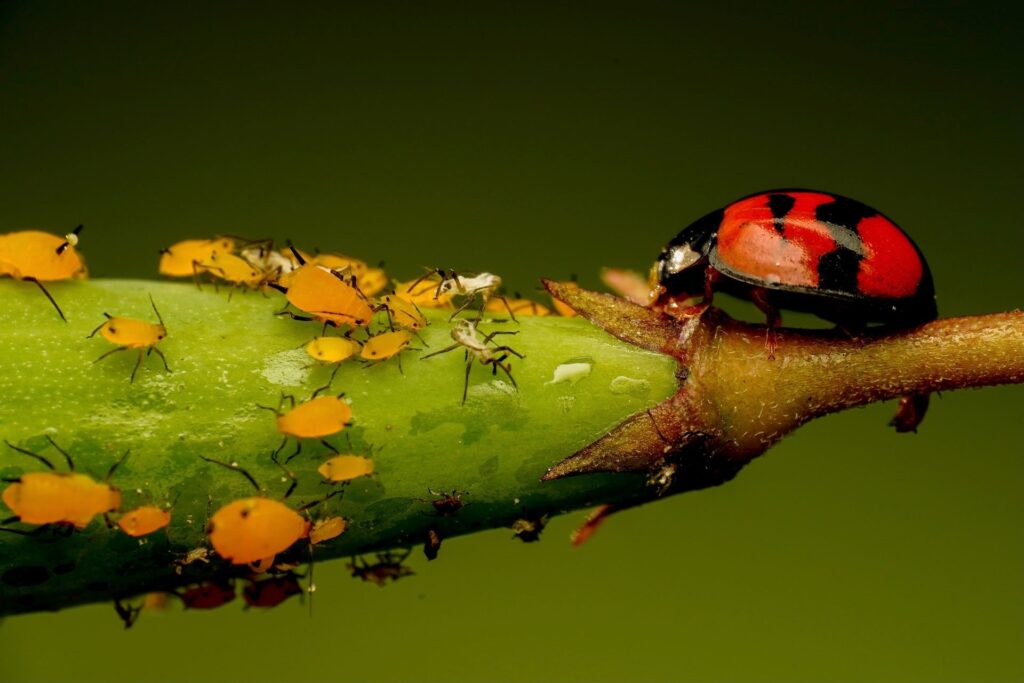
Instead of relying only on chemicals, IPM uses:
- Biological control
- Cultural practices
- Mechanical control
- Organic pesticides
This approach protects crops while also protecting beneficial insects.
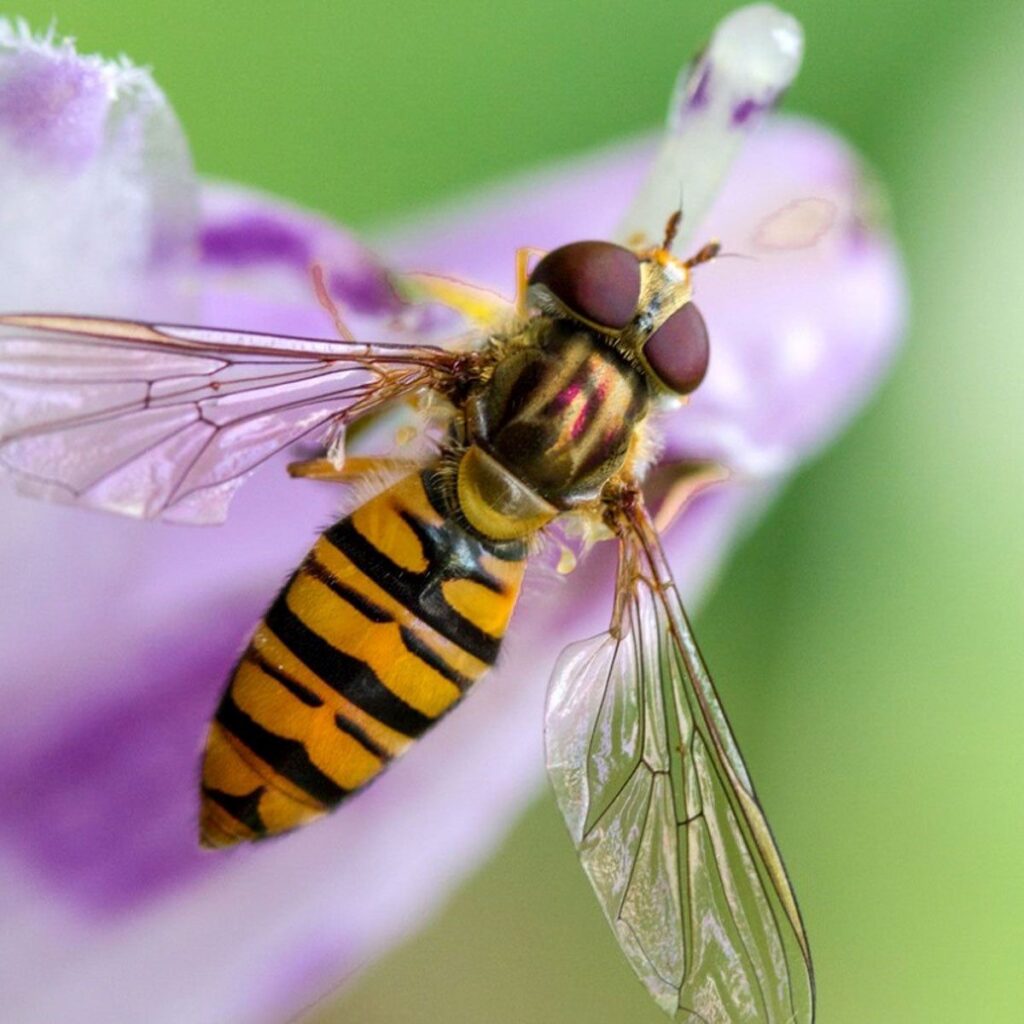

Components of IPM
1. Biological Control
This involves using natural predators to control pests.
Examples of beneficial insects:
| Beneficial insect | Pest controlled |
| Ladybird beetles | Aphids |
| Lacewings | Whiteflies and aphids |
| Hoverflies | Aphids |
| Praying mantis | Caterpillars |
| Parasitoid wasps | Pest larvae |
These insects naturally reduce pest populations.
2. Cultural Control
Cultural practices prevent pest outbreaks.
Examples include:
- Crop rotation
- Proper spacing
- Removing infected plants
- Timely planting
Healthy crops are more resistant to pests and diseases.
3. Mechanical Control
Mechanical methods involve physically removing pests.
Examples include:
- Handpicking caterpillars
- Using insect nets
- Traps
- Sticky boards
4. Organic Pest Sprays
Natural sprays used include:
- Neem extract
- Garlic spray
- Chili spray
- Soap solution
These sprays are safe for the environment.
Advantages of IPM
IPM helps:
- Protect beneficial insects
- Reduce chemical pollution
- Lower farming costs
- Improve food safety
Soil Health in a Kitchen Garden
What is Soil Health?
Soil health refers to the soil's ability to function as a living ecosystem that supports plants, animals, and microorganisms.
Healthy soil contains:
- Nutrients
- Organic matter
- Microorganisms
- Good structure
- Adequate moisture
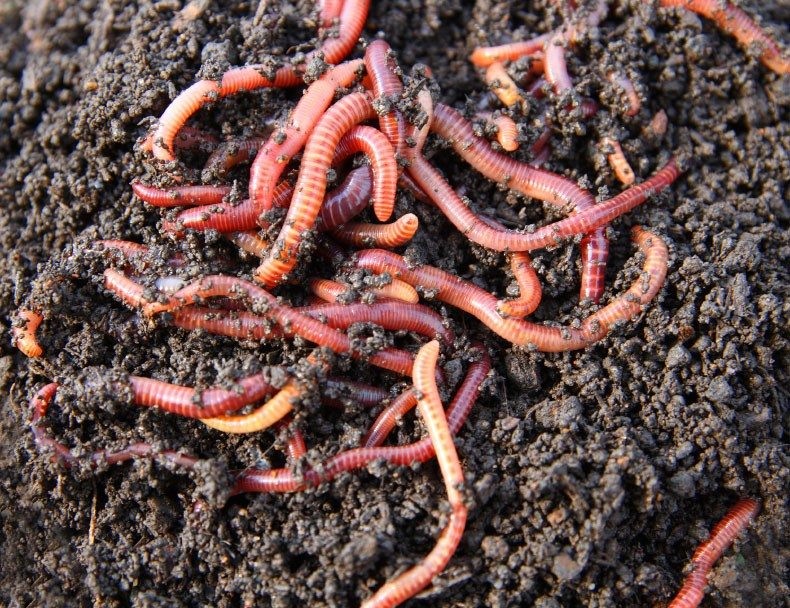
Components of Healthy Soil
1. Organic Matter
Organic matter comes from:
- Decomposed plant materials
- Compost
- Animal manure
Organic matter improves:
- Soil fertility
- Water retention
- Microbial activity
2. Soil Microorganisms
Millions of microorganisms live in healthy soil.
These include:
- Bacteria
- Fungi
- Protozoa
- Actinomycetes
They help by:
- Breaking down organic matter
- Releasing nutrients
- Protecting plants from disease
3. Earthworms
Earthworms are known as natural soil engineers.
They improve soil by:
- Creating tunnels for air and water
- Mixing soil layers
- Producing nutrient-rich castings
4. Balanced Soil Nutrients
Plants need nutrients such as:
- Nitrogen (N)
- Phosphorus (P)
- Potassium (K)
Organic inputs like manure supply these nutrients naturally.
Sustainability in a Kitchen Garden
A kitchen garden is one of the most sustainable food production systems.
It creates sustainability in a household in several ways

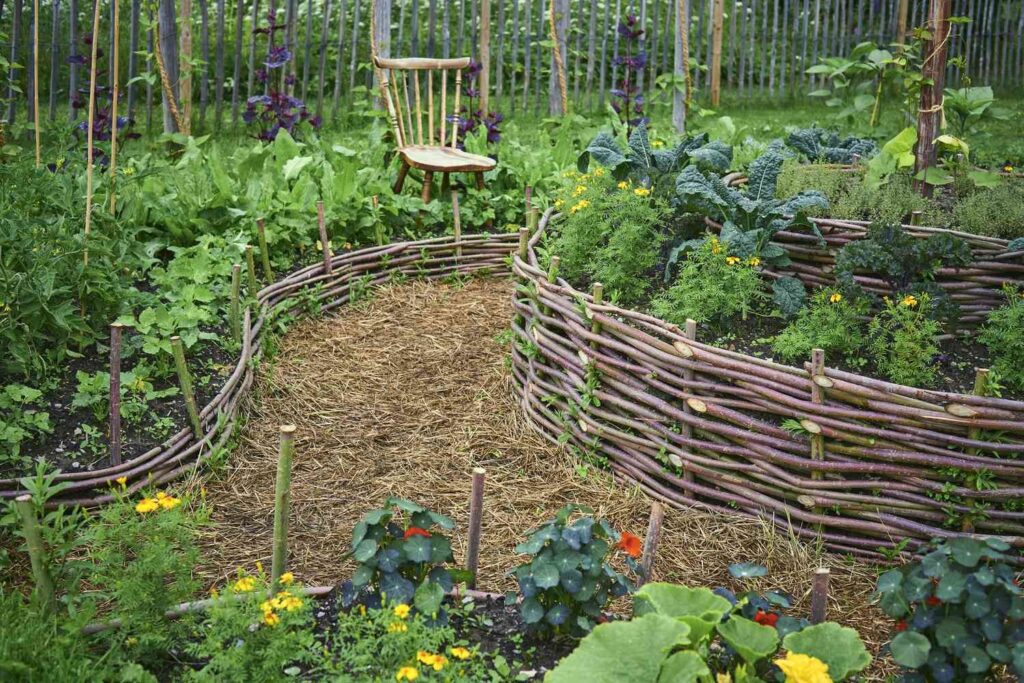
.
1. Food Security
Kitchen gardens ensure families have:
- Fresh vegetables daily
- Reliable food supply
- Reduced dependency on markets
This is especially important during:
- Food shortages
- Economic hardships
2. Nutritional Security
Different crops provide different nutrients.
A diverse kitchen garden ensures:
- Balanced diets
- Reduced malnutrition
- Better family health
3. Waste Recycling
Kitchen waste can be recycled into compost.
Examples include:
- Vegetable peels
- Fruit waste
- Dry leaves
- Crop residues
This reduces waste while improving soil fertility.
4. Reduced Food Costs
Families spend less money buying vegetables.
A well-managed kitchen garden can supply:
- Sukuma wiki
- Spinach
- Tomatoes
- Onions
- Herbs
This saves money every week.
5. Environmental Sustainability
Kitchen gardens protect the environment by:
- Reducing chemical use
- Improving biodiversity
- Conserving soil
- Enhancing carbon storage
They are part of climate-smart agriculture.
6. Water Conservation
Practices such as:
- Mulching
- Drip irrigation
- Rainwater harvesting
Help conserve water.
7. Strengthening Household Resilience
Kitchen gardens help households survive difficult times such as:
- Economic crises
- Food shortages
- Climate shocks
They provide a continuous source of nutrition and income.
Integration of Kitchen Gardens with Livestock
Many households integrate their gardens with small livestock.
Examples include:
| Livestock | Benefit to kitchen garden |
| Rabbits | Provide manure and urine fertilizer |
| Chickens | Provide manure and pest control |
| Goats | Provide manure for compost |
This creates a closed nutrient cycle.
Kitchen gardens demonstrate important sustainable farming principles:
- Organic farming
- Biodiversity conservation
- Soil regeneration
- Natural pest control
These principles are also used in:
- Permaculture
- Bio-intensive agriculture
- Climate-smart farming
A kitchen garden is not just a small farm near the house. It is a powerful system that integrates soil health, mulching, Integrated Pest Management, and sustainable food production.
Through practices such as:
- Mulching
- IPM
- Composting
- Soil health management
A kitchen garden becomes self-sustaining, productive, and environmentally friendly.
It provides families with fresh, nutritious food while protecting the environment and strengthening household resilience.
0 Comments