
Organic farming is not simply farming without chemicals. It is a system that works with nature to build living soils, healthy crops, resilient ecosystems, and sustainable food production. At the centre of this system is soil organic matter.
Understanding Soil Organic Matter (SOM)
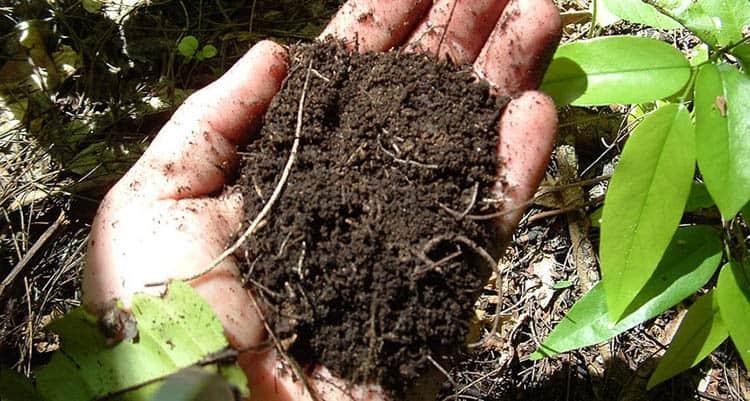
Soil Organic Matter
Soil organic matter is all the organic material found in the soil. It includes:
- Dead plant residues
- Decomposing roots
- Animal manure
- Compost
- Microbial bodies
- Earthworm waste
- Fungi and bacteria remain
- Organic carbon compounds
Soil organic matter is made of many different components. Some organic matter:
- Breaks down very fast
- Feeds microbes quickly
- Releases nutrients rapidly
Other organic matter:
- Is highly stable
- Remains in the soil for many years
- Stores carbon safely
- Improves long-term soil structure
This difference is extremely important in organic farming because not all organic matter behaves the same way
Organic Matter and Organic Carbon
Soil organic matter is organic carbon.
Carbon is the backbone of life in soil.
Plants capture carbon dioxide from the atmosphere through photosynthesis and convert it into:
- Sugars
- Starches
- Fibres
- Plant tissues
When plants die or release root exudates, this carbon enters the soil.
This carbon:
- Feeds microorganisms
- Builds soil structure
- Improves fertility
- Helps water retention
- Stores atmospheric carbon underground
This process is called carbon sequestration.
Organic Matter is Important in Organic Farming
Healthy organic matter transforms soil from “dead dirt” into a living ecosystem.
1. Improves Soil Structure
Good organic matter:
- Binds soil particles together
- Creates stable aggregates
- Prevents compaction
- Improves aeration
- Makes soil easier for roots to penetrate
Healthy soil structure allows:
- Better root development
- Better water infiltration
- Better microbial activity
2. Increases Water Holding Capacity
Organic matter acts like a sponge.
It absorbs and stores water, then slowly releases it to plants.
This helps:
- During droughts
- In dry seasons
- In sandy soils
- In areas with irregular rainfall
In organic farming systems, soils with high organic matter are usually more drought-resistant.
3. Reduces Nutrient Leaching
Without organic matter:
- Nutrients wash away easily
- Fertilisers are lost
- Water pollution increases
Organic matter holds nutrients like:
- Nitrogen
- Phosphorus
- Potassium
- Calcium
- Magnesium
This keeps nutrients available to crops for longer periods.
4. Supports Soil Life
Organic matter is food for:
- Bacteria
- Fungi
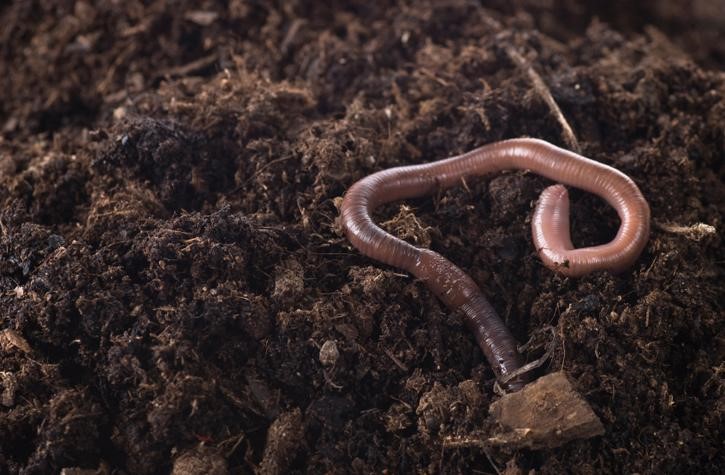
- Earthworms
- Protozoa
- Nematodes
- Arthropods
A living soil food web develops.
These organisms:
- Decompose residues
- Release nutrients
- Build soil aggregates
- Protect plants from diseases
Organic farming depends heavily on these natural biological processes.
5. Carbon Sequestration and Climate Change
The article strongly emphasises carbon sequestration.
When carbon is stabilised in the soil:
- Atmospheric CO₂ reduces
- Soil fertility improves
- Climate resilience increases
This is why some carbon programs pay farmers for improving soil carbon.
But Joel Williams stresses:
“There’s no sequestration without stabilisation.”
This means carbon must be protected and stabilised in soil, otherwise it quickly escapes back into the atmosphere.
The Two Main Types of Organic Matter
The article introduces two major forms:
1. Particulate Organic Matter (POM)
2. Mineral-Associated Organic Matter (MAOM)
These are very important concepts in soil science.
1. Particulate Organic Matter (POM)
POM?
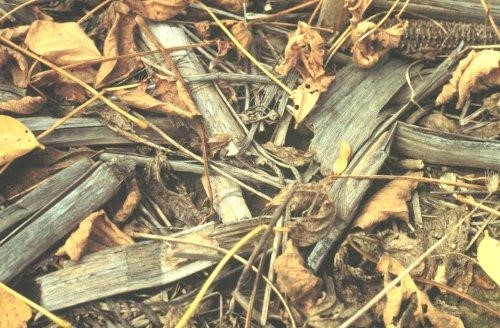
POM consists mainly of:
- Decaying plant residues
- Straw
- Leaves
- Roots
- Woody materials
- Brown organic materials
These materials usually have a high carbon-to-nitrogen ratio.
Examples:
- Dry grass
- Maize stalks
- Sawdust
- Straw mulch
- Dry leaves
How POM Forms
Microorganisms can not absorb large plant materials directly.
So they release enzymes that act like scissors.
These enzymes:
- Cut complex plant materials into smaller compounds
- Break cellulose and lignin
- Begin decomposition
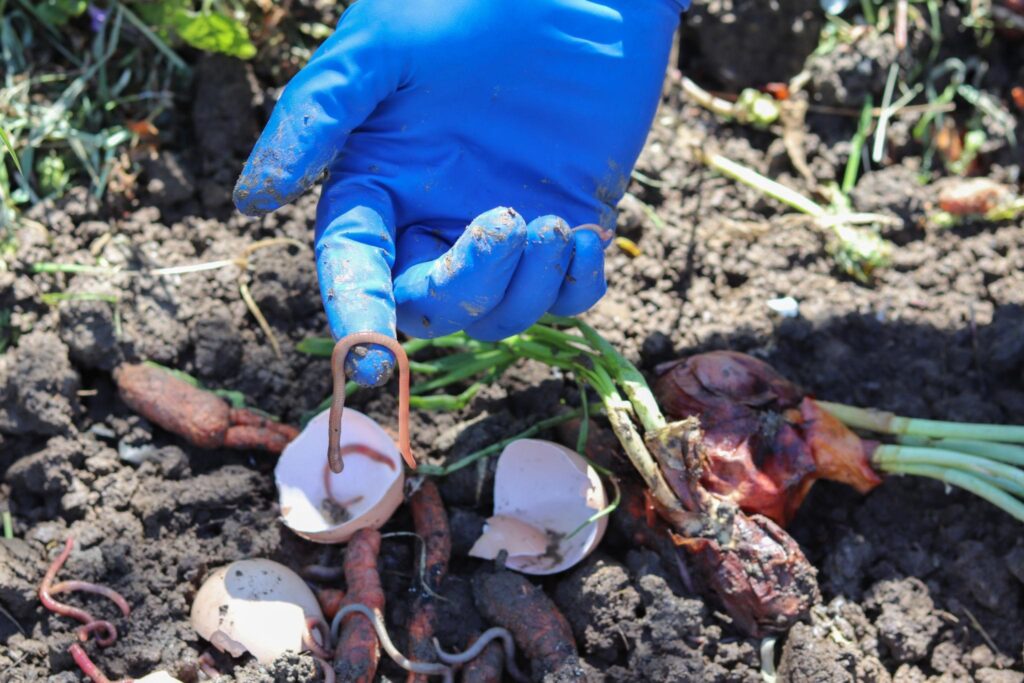
Earthworms and insects also help physically break down the material.
This entire process creates particulate organic matter.
Importance of POM
Provides Long-Term Food
POM acts as a slow food source for microbes.
Improves Soil Structure
It increases:
- Porosity
- Aeration
- Root penetration
Enhances Water Infiltration
Water enters soils rich in particulate matter more easily.
Builds Surface Mulch
POM protects soil from:
- Erosion
- Heat
- Evaporation
But POM is Less Stable
This is one key lesson from the article.
POM is vulnerable because:
- It is not chemically attached to soil minerals
- Disturbance exposes it to oxygen
- Tillage speeds decomposition
Once disturbed:
- Carbon escapes quickly
- Organic matter declines rapidly
The article uses peat bogs as an example.
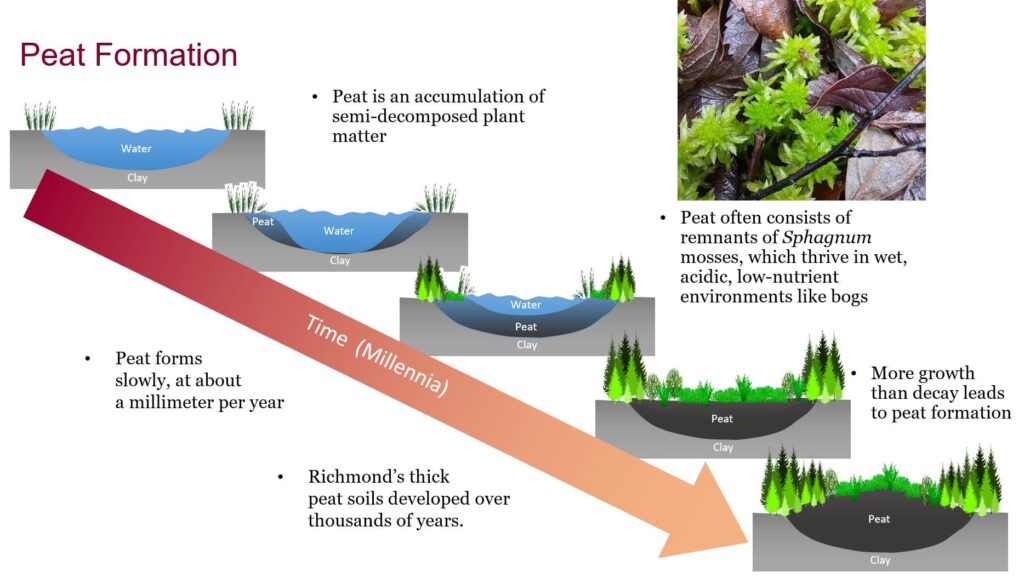
Peat bogs accumulate huge amounts of organic matter over centuries. But once disturbed or drained, they lose carbon rapidly.
2. Mineral-Associated Organic Matter (MAOM)
What is MAOM?
This is the highly stable form of organic matter.
It forms when:
- Microbes digest simple carbon compounds
- Microbial bodies die
- Their remains attach to clay and silt particles
Soil organic matter comes from dead microbial bodies.
This is a fascinating discovery in modern soil science.
How MAOM Forms
Plants release:
- Sugars
- Amino acids
- Organic acids
- Root exudates
These are easy for microbes to consume.
Microbes rapidly convert them into microbial biomass.
When microbes die:
- Their remains stick tightly to soil minerals
- Especially clay and silt
This creates very stable carbon storage.
Why MAOM is Important
Extremely Stable
It can remain in soil for decades or centuries.
Better Carbon Sequestration
This is the true long-term carbon storage mechanism.
Improves Fertility
MAOM improves nutrient-holding capacity.
Increases Soil Resilience
Soils become:
- More drought-tolerant
- More stable
- More biologically active
Role of Soil Type
The soil texture strongly influences organic matter storage.
Clay Soils
Clay soils:
- Have many mineral surfaces
- Hold more stable carbon
- Form more MAOM
These soils are better at long-term carbon storage.
Sandy Soils
Sandy soils:
- Have fewer binding surfaces
- Lose carbon faster
- Store less stable organic matter
Organic farming on sandy soils, therefore, requires:
- Continuous organic inputs
- Mulching
- Cover crops
- Reduced disturbance
Role of Calcium
Calcium helps carbon bind to clay particles.
It acts like a bridge between:
- Organic matter
- Soil minerals
This improves:
- Soil aggregation
- Carbon stabilisation
- Soil structure
Soil Aggregates and Carbon Protection
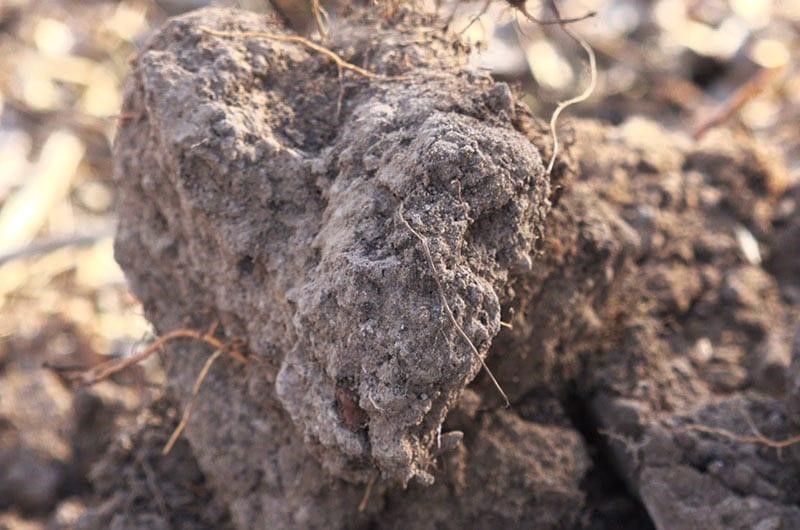
Soil Aggregates
These are clumps of soil particles held together by:
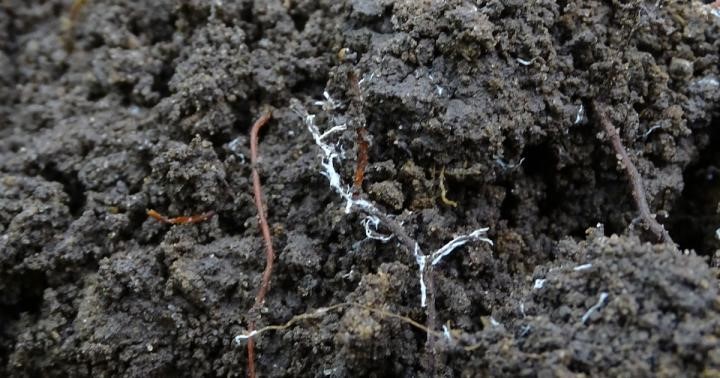
- Fungal hyphae
- Root exudates
- Microbial glues
Inside these aggregates:
- Carbon becomes physically protected
- Oxygen penetration reduces
- Decomposition slows
This stabilises organic matter.
Minimising Soil Disturbance Matters
Tillage:
- Breaks soil aggregates
- Exposes protected carbon
- Increases oxygen exposure
- Accelerates decomposition
This causes:
- Carbon loss
- Reduced microbial activity
- Declining soil health
This is why organic farming increasingly promotes:
- Minimum tillage
- Reduced cultivation
- Conservation agriculture
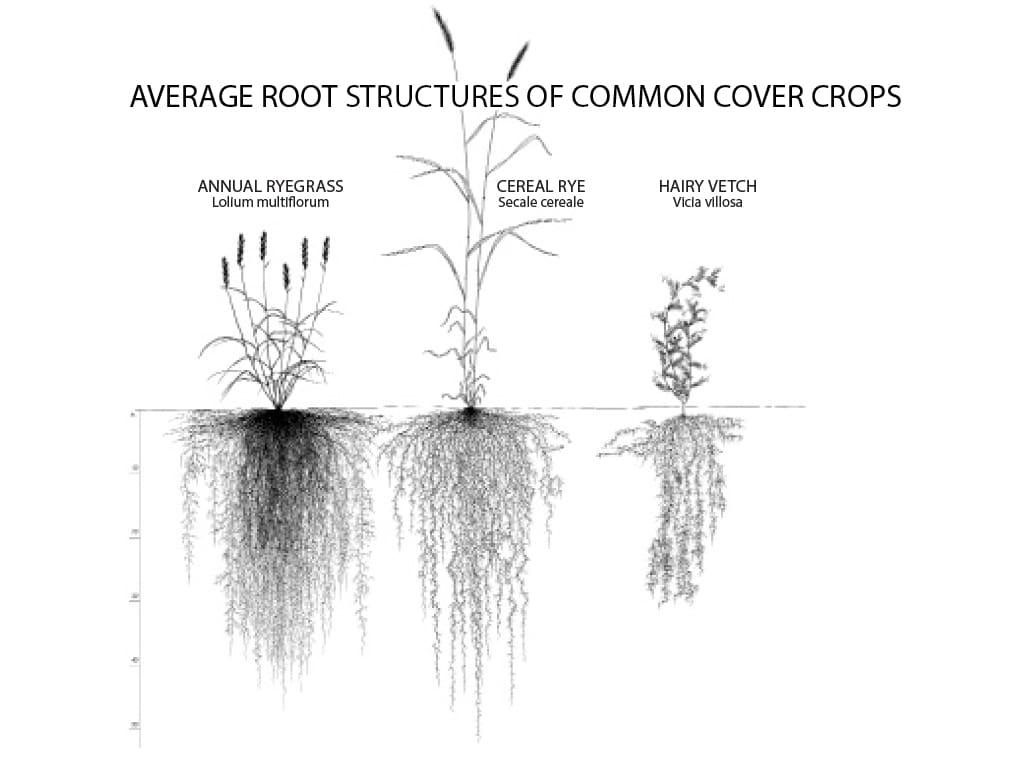
Living Roots: The Engine of Soil Health
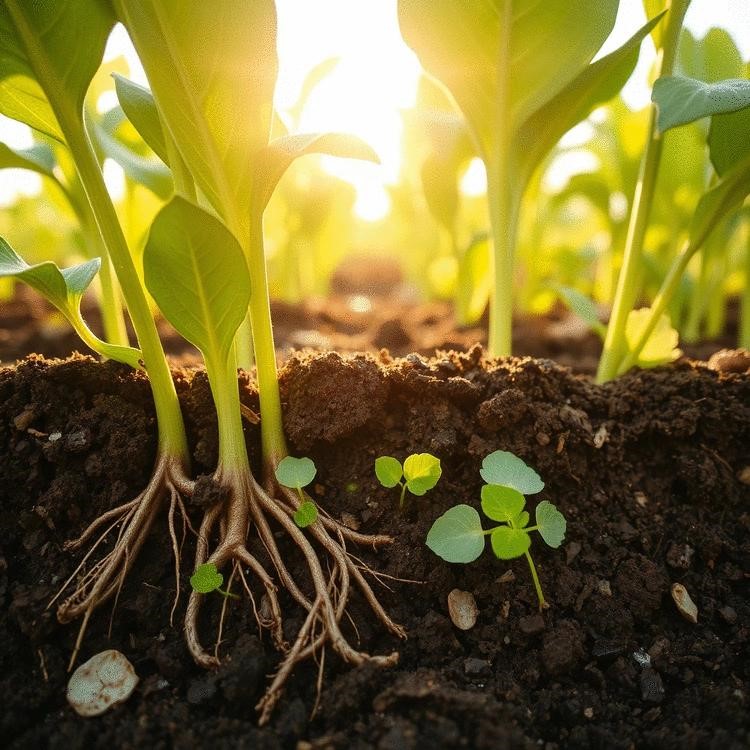
Living roots build soil organic matter.
Roots continuously release exudates:
- Sugars
- Carbon compounds
- Amino acids
These feed soil microbes directly.
Why Roots Matter More Than Shoots:
Root material is about five times more likely to form stable soil organic matter than shoot material.
This is because roots:
- Feed microbes underground
- Produce exudates
- Build aggregates
- Deliver carbon deeper into the soil
Deep Roots and Carbon Storage
Deep-rooted plants:
- Move carbon deeper underground
- Protect carbon from rapid oxidation
- Improve subsoil structure
- Increase water infiltration
Examples include:
- Lucerne/alfalfa
- Sunflower
- Radish
- Pigeon pea
- Napier grass
- Trees
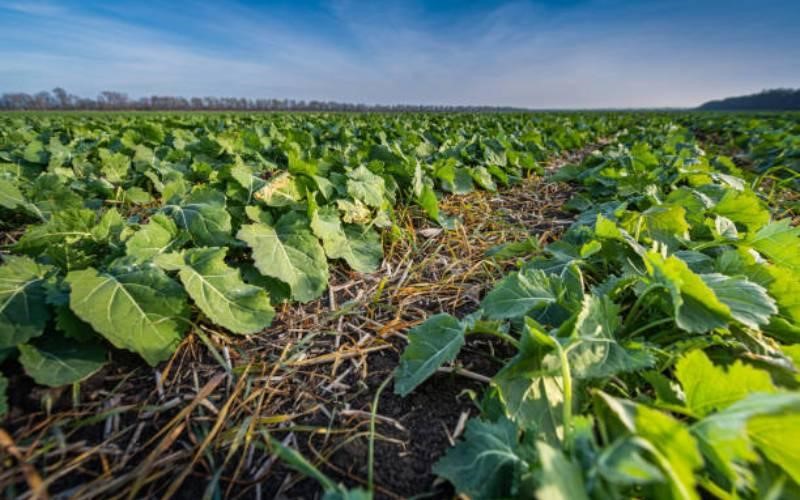
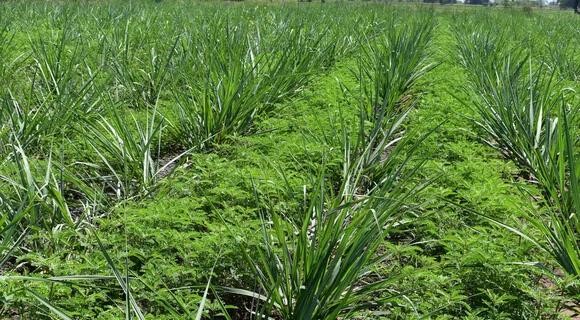
Cover Crops in Organic Farming
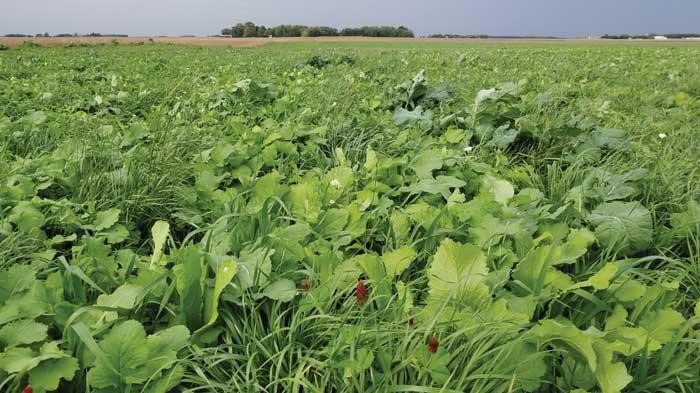
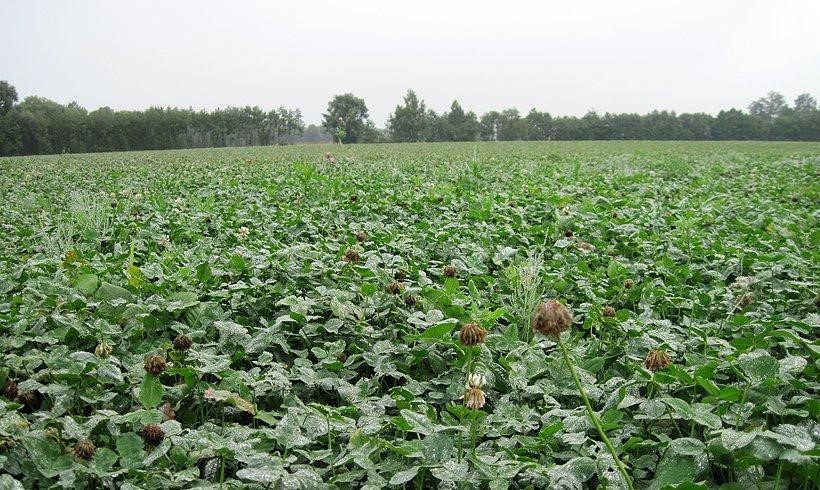
The article highlights cover crops as critical tools.
Cover crops:
- Keep living roots in the soil
- Prevent erosion
- Feed microbes year-round
- Capture nutrients
- Build carbon
Research mentioned in the article found:
- About 15% increase in soil organic carbon in clay soils
Diverse cover crop mixtures increase:
- Root biomass
- Microbial diversity
- Soil carbon
Why Intensive Agriculture Reduced Soil Carbon
Even though crop yields increased over 50 years:
- Soil carbon often declined.
Why?
1. Shift from Perennials to Annuals
Perennials:
- Invest heavily in roots
- Store energy underground
- Build more soil carbon
Annuals:
- Focus on seed production
- Invest more above ground
- Build less root biomass
This reduced carbon inputs below ground.
2. Crop Breeding for Yield
Modern breeding selected crops that:
- Produce more grain
- Produce more shoots
- Allocate less energy to roots
Result:
- Less root carbon
- Lower soil organic matter
3. Excess Nitrogen Fertiliser
Nitrogen increases shoot growth.
But excessive nitrogen:
- Suppresses root development
- Reduces microbial balance
- Limits carbon stabilisation
Hence, too much nitrogen eventually decreases root biomass.
This is a major lesson in organic farming:
- More fertiliser does not always mean healthier soil.
Compost and Organic Amendments
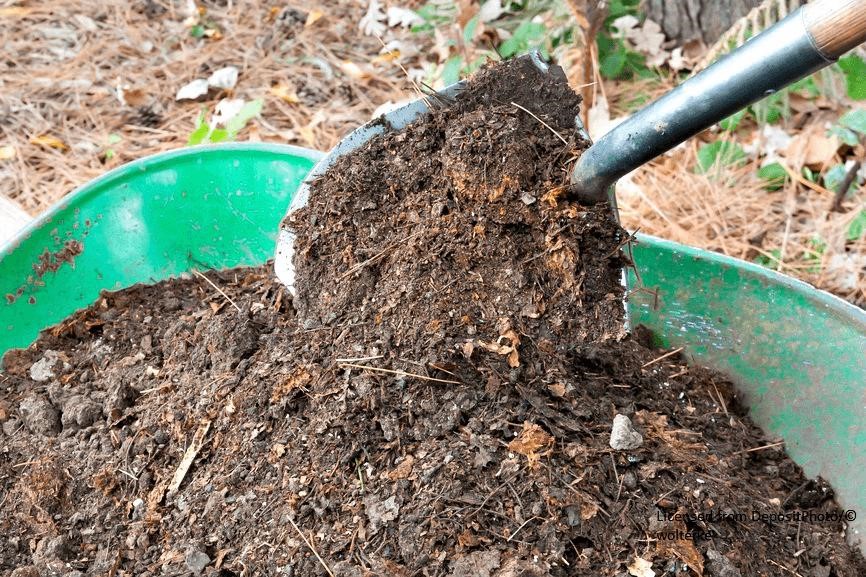
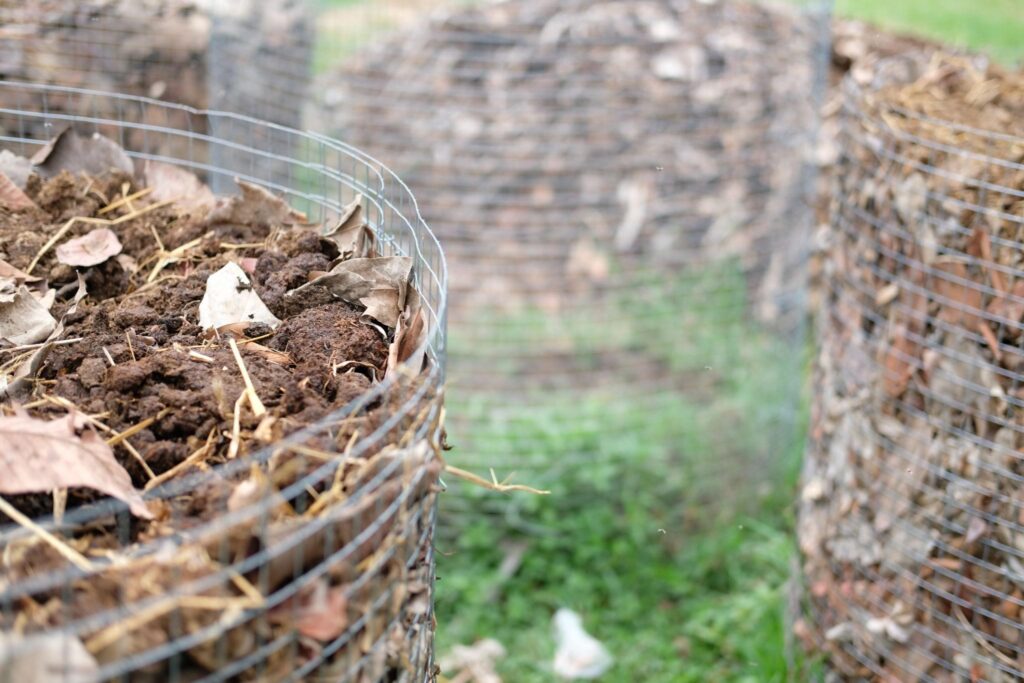
Making compost is one of the most effective tools.
Why?
Because compost has already undergone:
- Microbial transformation
- Stabilisation
- Decomposition
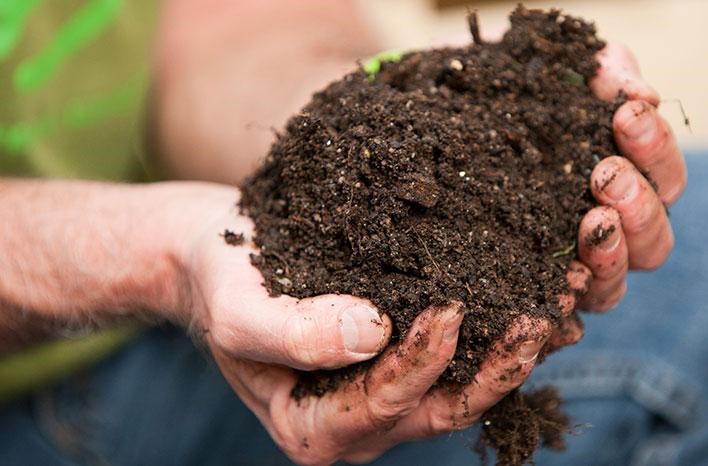
Compost adds:
- Stable carbon
- Beneficial microbes
- Nutrients
- Humus
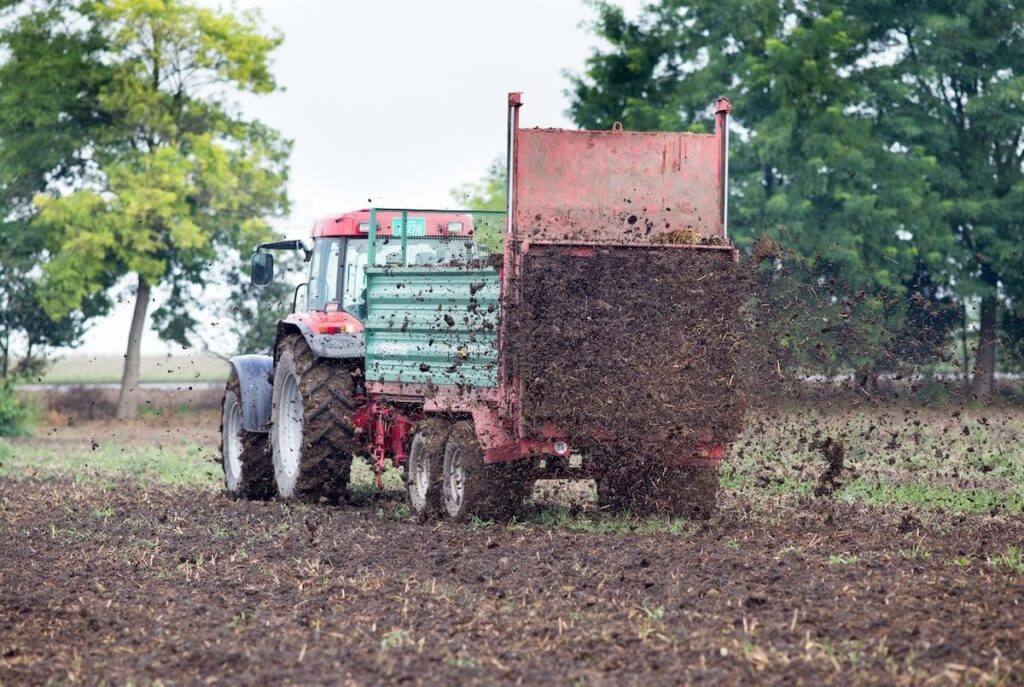
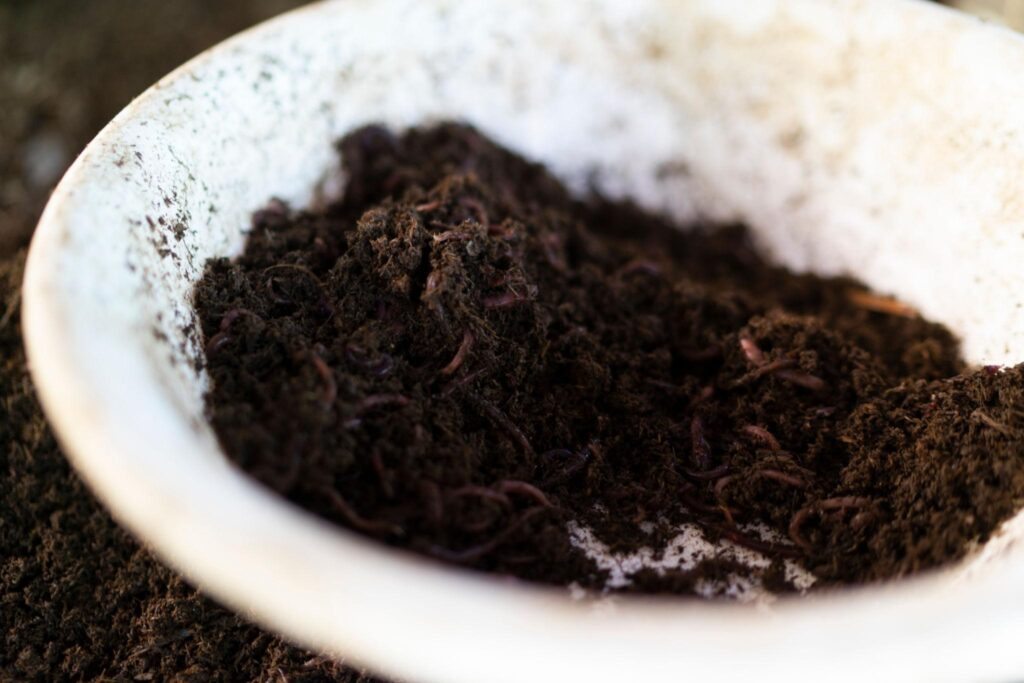
Organic amendments include:
- Compost
- Animal manure
- Vermicompost
- Biochar
- Green manure
- Plant residues
Role of Livestock in Organic Farming
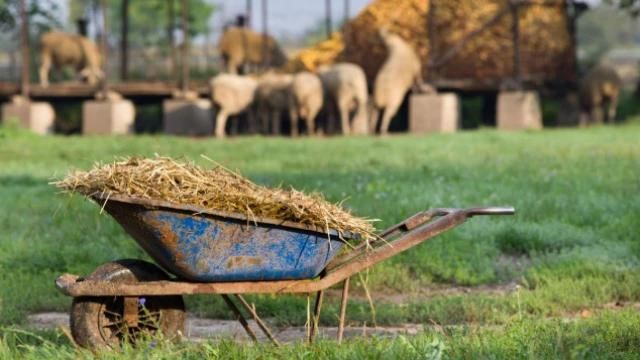
It is evident and practically known that livestock improve soil health.
Animals:
- Digest plant material
- Convert residues into manure
- Stimulate microbial activity
- Increase nutrient cycling
Even trampling has benefits.
Moderate trampling:
- Presses plant residues into the soil
- Improves microbial access
- Enhances decomposition
Integrated crop-livestock systems are therefore powerful in regenerative and organic farming.
Key Principles of Building Soil Organic Matter
The several core principles are:
1. Minimise Soil Disturbance
Avoid excessive:
- Ploughing
- Harrowing
- Cultivation
Protect soil aggregates and microbial life.
2. Keep Living Roots Year-Round
Use:
- Cover crops
- Intercropping
- Agroforestry
- Relay cropping
3. Increase Plant Diversity
Different plants:
- Feed different microbes
- Build diverse root systems
- Improve resilience
4. Use Organic Amendments
Apply:
- Compost
- Manure
- Mulch
- Crop residues
5. Integrate Livestock
Managed grazing improves:
- Carbon cycling
- Soil biology
- Nutrient recycling
6. Avoid Excessive Nitrogen Fertiliser
Too much nitrogen:
- Weakens root growth
- Reduces carbon storage
- Disturbs microbial balance
Organic Farming as a Living System
Organic farming is about relationships between:
- Plants
- Roots
- Microbes
- Fungi
- Earthworms
- Organic matter
- Minerals
- Water
- Carbon
Healthy soil is alive.
The goal is not merely to feed crops.
The goal is:
- Feeding the soil ecosystem
- Building stable carbon
- Improving resilience
- Creating sustainable productivity
When organic matter is managed correctly:
- Soil becomes softer
- Water retention improves
- Fertility increases naturally
- Erosion reduces
- Biodiversity expands
- Crops become more resilient
That is the true foundation of successful organic farming.
0 Comments