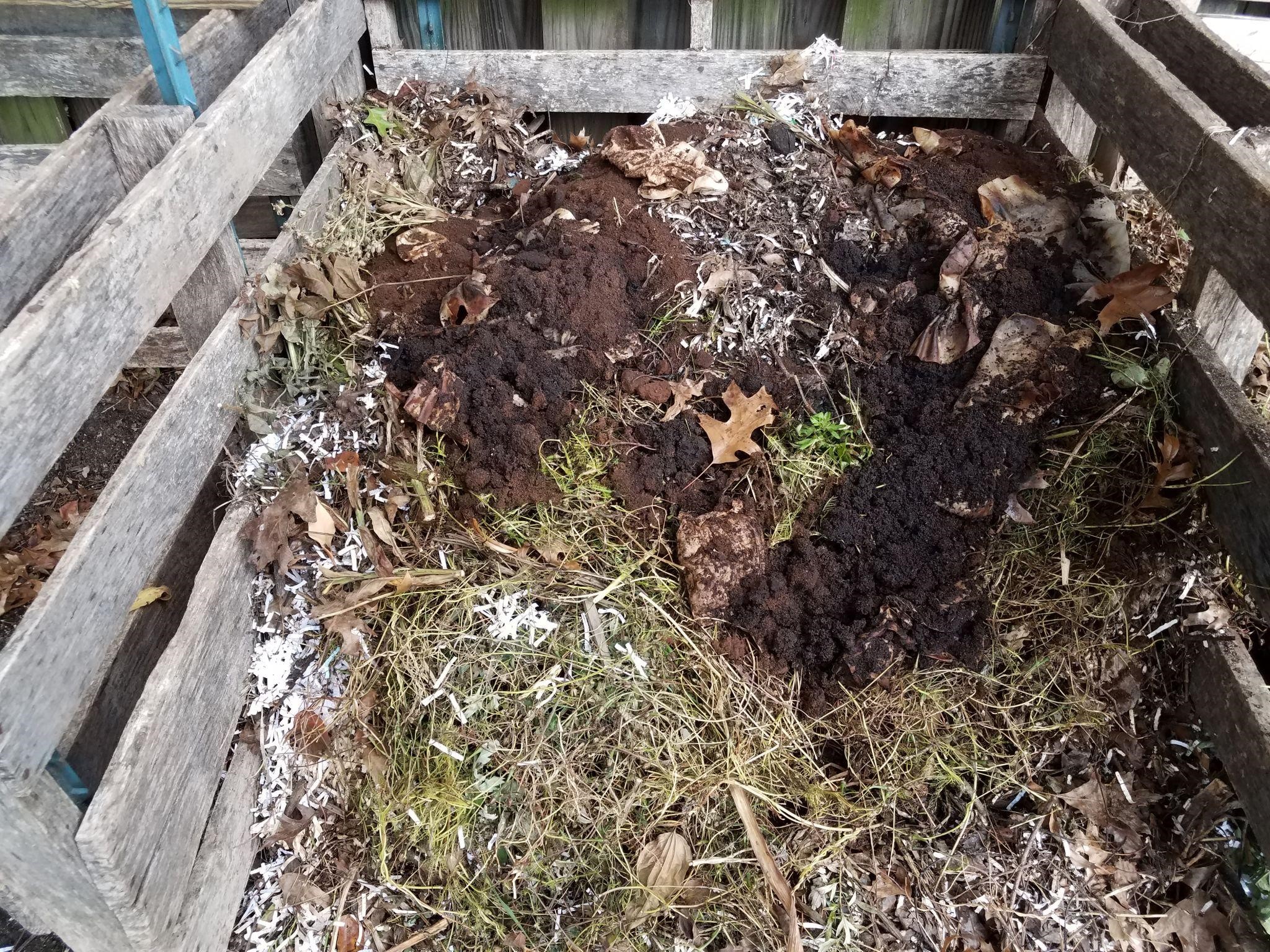

Composting is one of the most important practices in sustainable agriculture, organic farming, kitchen gardening, sack gardening, and environmental conservation. It is the natural process of transforming organic waste into dark, nutrient-rich humus through the action of microorganisms, fungi, insects, and worms.
Composting is controlled decomposition.
What looks like waste — dry leaves, vegetable peels, grass clippings, manure, tea leaves, and crop residues — becomes one of the most powerful soil-building materials for agriculture.
Healthy compost creates:
- Fertile soil
- Strong plant growth
- Better water retention
- Improved soil structure
- Increased microbial activity
- Reduced dependence on chemical fertilizers
Good compost is often called “black gold” because of its enormous value to farming.
What Is Compost
Compost is decomposed organic matter.
It is formed when:
- Bacteria
- Fungi
- Earthworms
- Insects
- Heat
- Oxygen
- Moisture
Break down organic materials into stable humus.
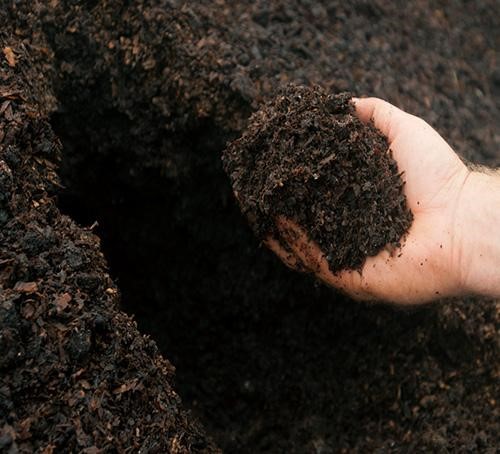
Finished compost usually:
- Smells earthy
- Is dark brown or black
- Has a crumbly texture
- Retains moisture
- Contains nutrients
- Supports beneficial microorganisms
The Science Behind Composting
Composting is a biological process.
Microorganisms consume organic materials as food. During decomposition:
- Carbon provides energy
- Nitrogen supports microbial growth
- Water supports microbial life
- Oxygen supports aerobic decomposition
As microbes work:
- Heat is produced
- Organic matter breaks down
- Nutrients become available
- Harmful pathogens may die
- Weed seeds may be destroyed
This is why active compost piles become hot.
The Two Main Compost Ingredients
1. Brown Materials (Carbon-Rich)
These are dry materials that provide energy.
Examples:
- Dry leaves
- Straw
- Wood shavings
- Sawdust
- Dry grass
- Paper
- Cardboard
- Twigs
- Corn stalks
Importance of Browns
Brown materials:
- Prevent bad smell
- Improve airflow
- Reduce excess moisture
- Balance nitrogen
- Build stable humus
Without enough brown material:
- Compost becomes slimy
- Smells badly
- Turns anaerobic
2. Green Materials (Nitrogen-Rich)
These are moist materials that feed microbes.
Examples:
- Fresh grass clippings
- Vegetable scraps
- Fruit peels
- Coffee grounds
- Fresh weeds
- Manure
- Tea leaves
- Green leaves
- Alfalfa
Importance of Greens
Nitrogen:
- Accelerates decomposition
- Feeds microorganisms
- Raises compost temperature
- Produces nutrient-rich compost
Too much green material causes:
- Bad odours
- Excess heat
- Slimy compost
- Fly infestation
Ideal Compost Ratio
A good compost pile balances carbon and nitrogen.
Recommended ratio:
- 2–3 parts brown
- 1 part greens
This balance creates:
- Fast decomposition
- Good airflow
- Proper heat
- Healthy microbes
The Four Major Requirements for Composting
1. Oxygen
Aerobic microbes require oxygen.
Without oxygen:
- Compost smells rotten
- Methane gas forms
- Decomposition slows
How to Improve Oxygen
- Turn compost regularly
- Add dry materials
- Avoid compacting the pile
- Use coarse materials
2. Moisture
Microorganisms require water.
Ideal moisture:
- Like a wrung-out sponge
Too dry:
- Decomposition stops
Too wet:
- Compost becomes anaerobic
Moisture Management
- Add water during dry seasons
- Add dry leaves if too wet
- Cover during heavy rain
3. Nitrogen
Nitrogen accelerates microbial activity.
Nitrogen-rich materials include:
- Grass clippings
- Kitchen waste
- Manure
- Coffee grounds
- Green weeds
4. Carbon
Carbon provides energy.
Carbon-rich materials:
- Dry leaves
- Straw
- Wood chips
- Paper
Types of Composting
1. Hot Composting
This is fast decomposition at high temperatures.
Features
- Reaches 55–70°C
- Kills weed seeds
- Kills pathogens
- Produces compost quickly
Requirements
- Proper carbon:nitrogen balance
- Moisture
- Frequent turning
Advantages
- Fast
- Clean
- Efficient
Disadvantages
- Labour intensive
- Requires monitoring
2. Cold Composting
Slow natural decomposition.
Features
- Minimal turning
- Lower temperatures
- Takes longer
Advantages
- Easy
- Low maintenance
Disadvantages
- Slow
- May not kill weed seeds
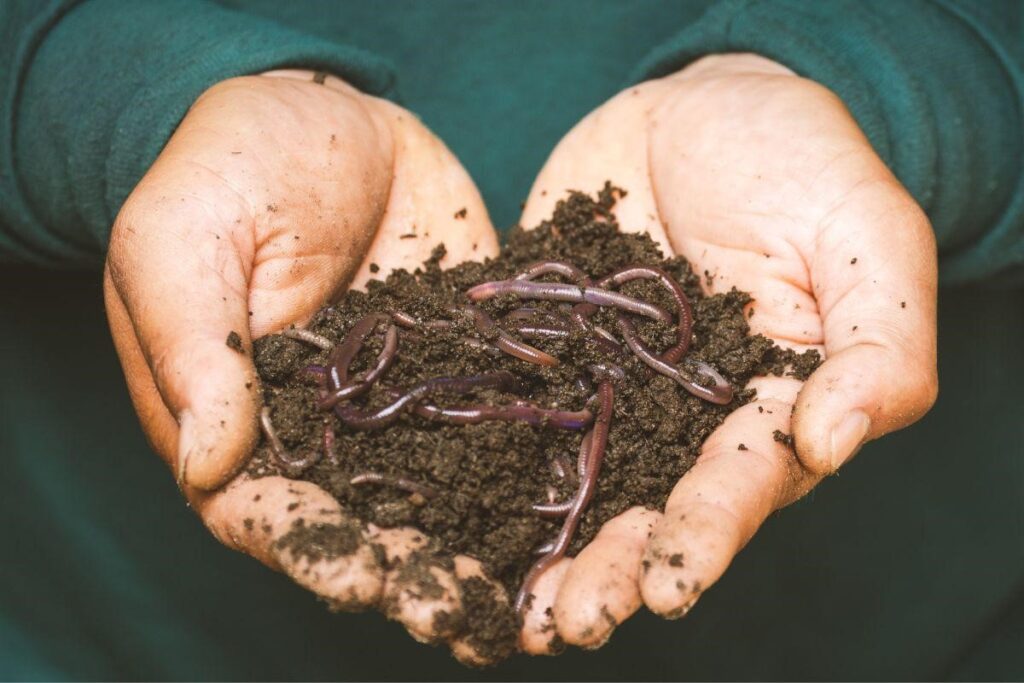
3. Vermicomposting (Worm Composting)
Uses composting worms to produce vermicast.
Common worms:
- Red wigglers
- Eisenia fetida
Benefits
- Produces nutrient-rich worm castings
- Excellent microbial activity
- Ideal for vegetables and seedlings
Worm Composting
Why Worms Matter
Worms:
- Break down waste quickly
- Improve aeration
- Produce nutrient-dense castings
- Introduce beneficial microbes
Worm castings contain:
- Nitrogen
- Phosphorus
- Potassium
- Enzymes
- Beneficial bacteria
Setting Up a Worm Bin
Essential Requirements
1. Ventilation
The worm bin needs airflow.
2. Drainage
Excess water must escape.
3. Bedding
Use:
- Shredded cardboard
- Coconut coir
- Dry leaves
- Newspaper
4. Shade
Keep away from direct sunlight.
Ideal temperature:
- 10–25°C
Moisture in Vermicomposting
Worms breathe through moist skin.
Ideal condition:
- Damp but not waterlogged
If too wet:
- Worms suffocate
- Bad smell develops
If too dry:
- Worms die
Best Materials for Compost Making
Grass Clippings
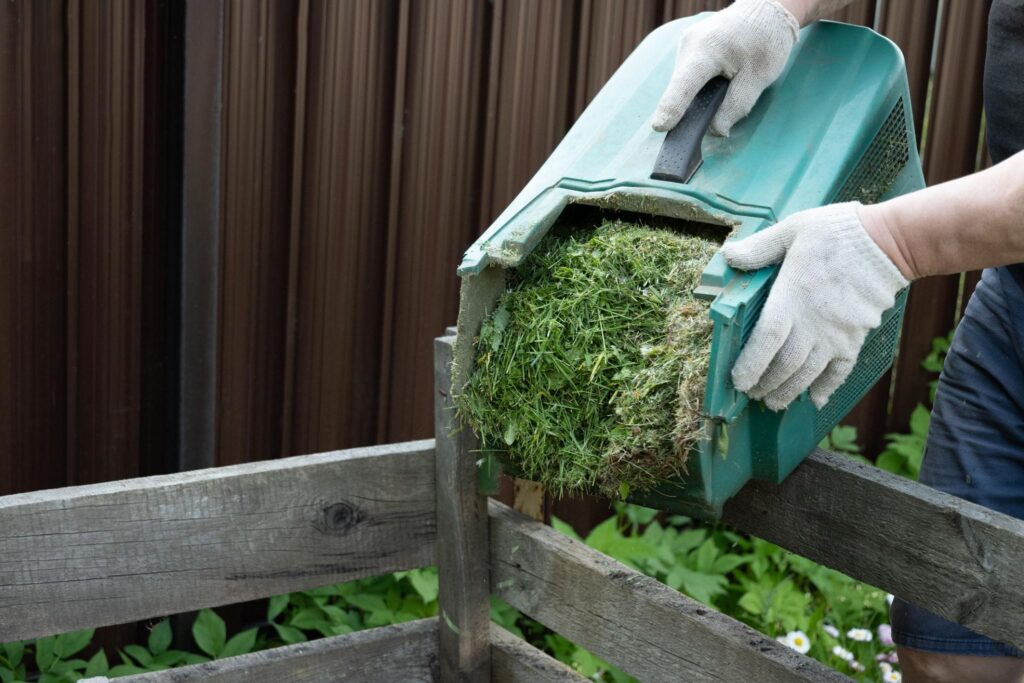
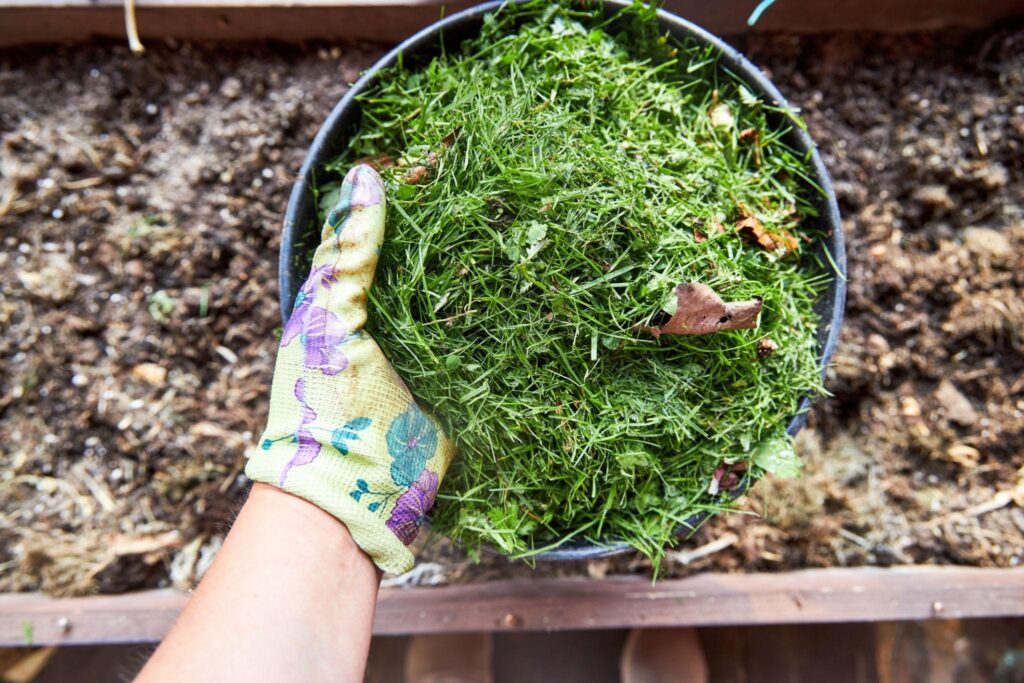
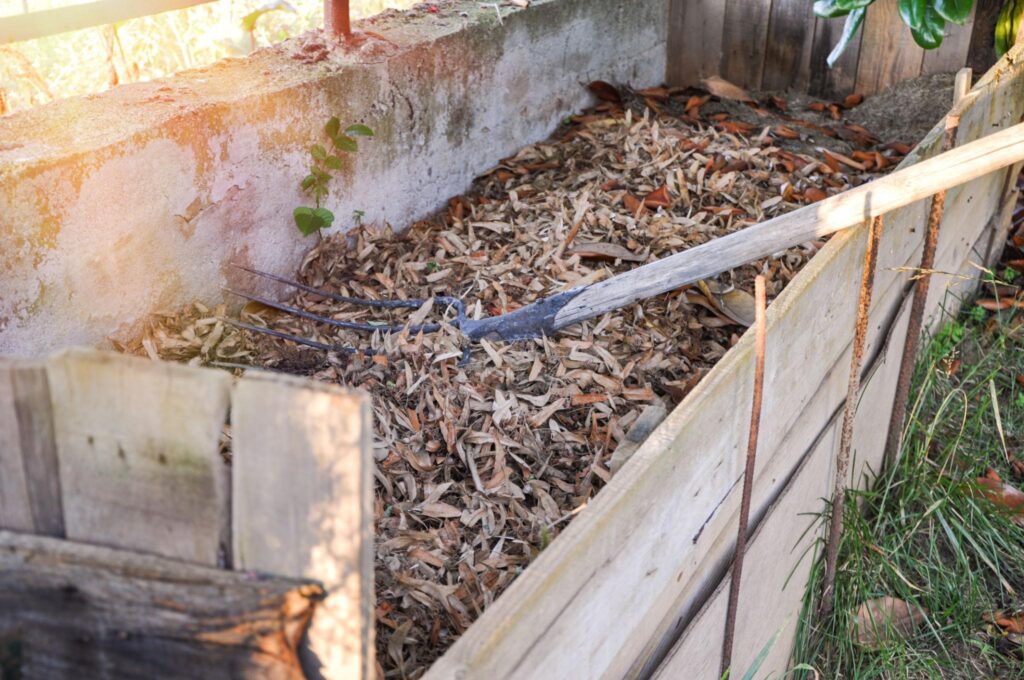
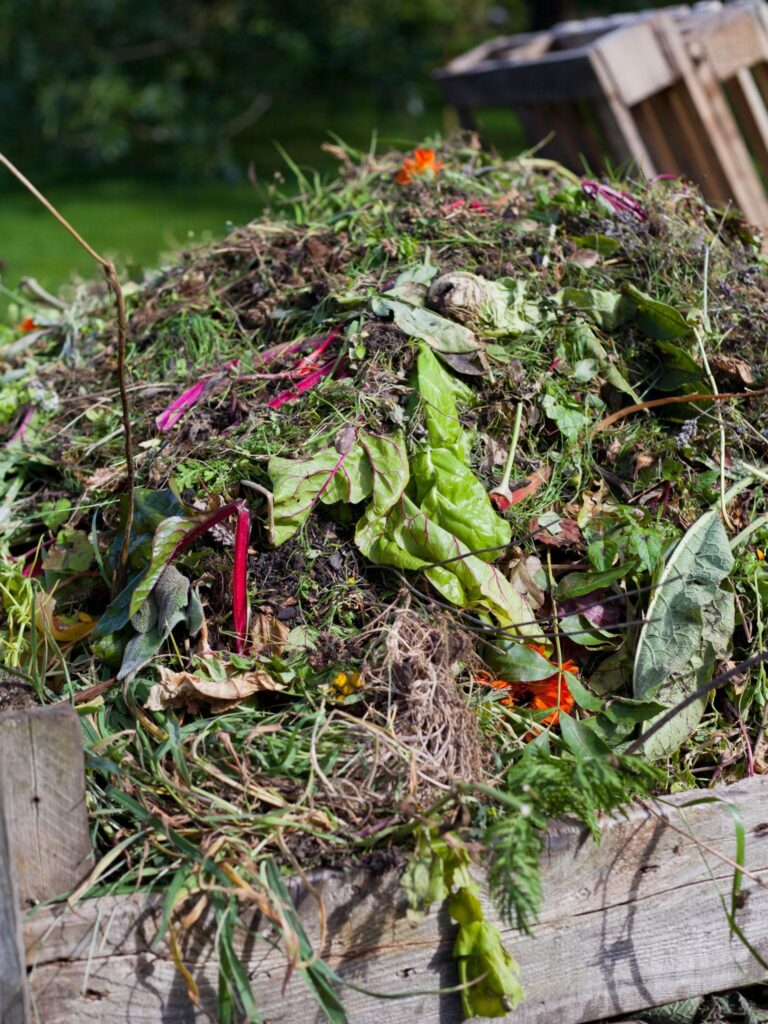
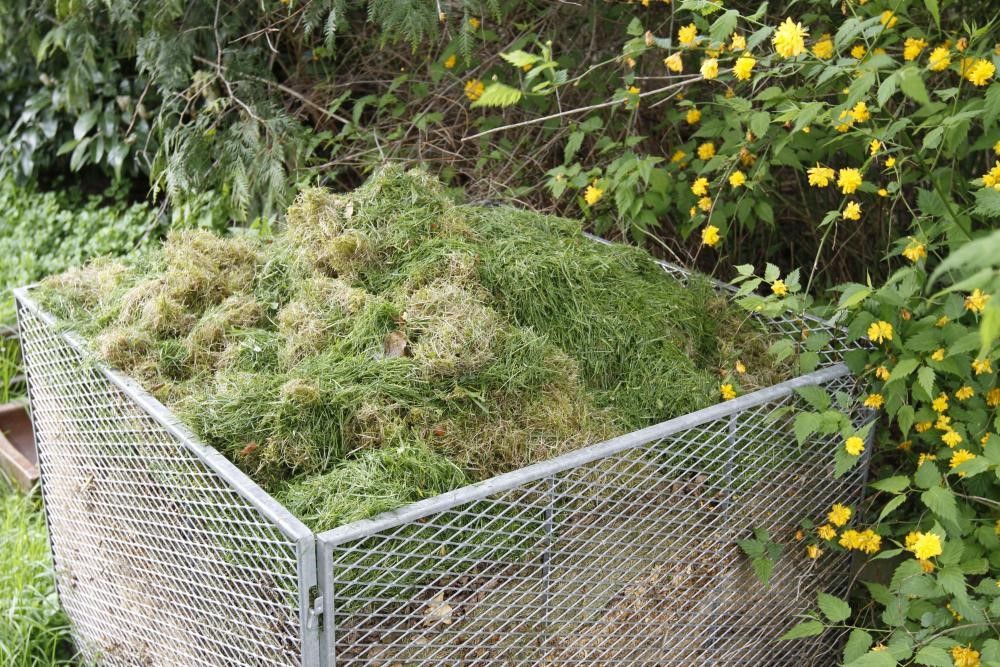
Grass clippings:
- Are high in nitrogen
- Heat compost rapidly
- Decompose quickly
Important:
Mix with dry materials to prevent sliminess.
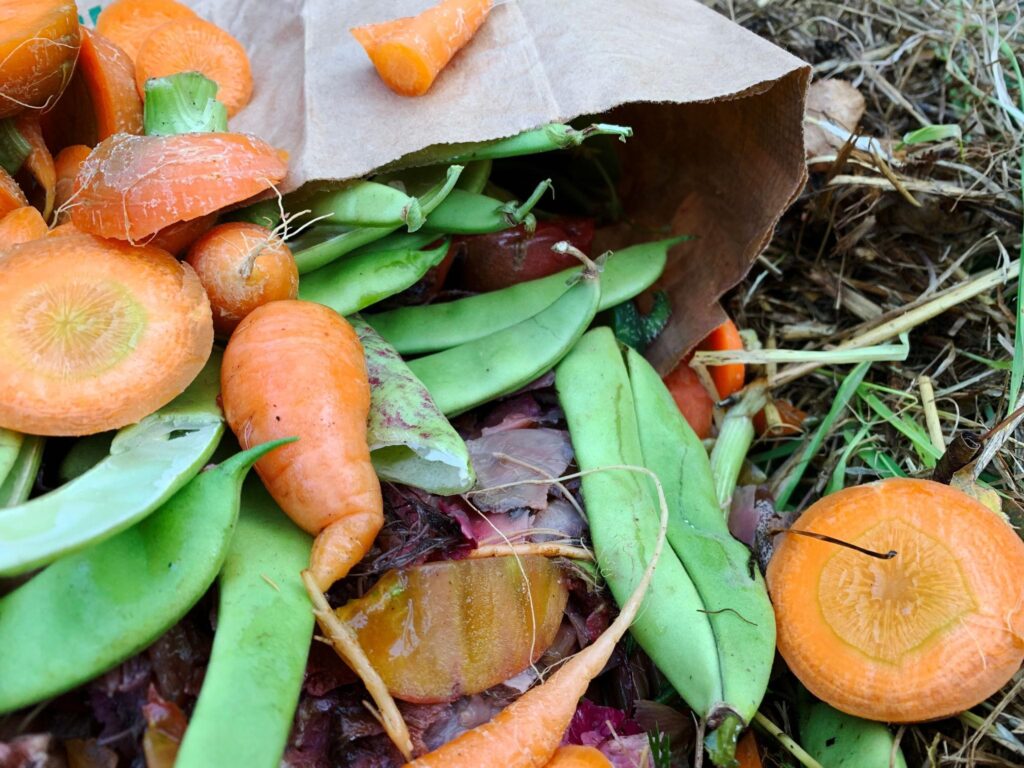
Fruit and Vegetable Scraps
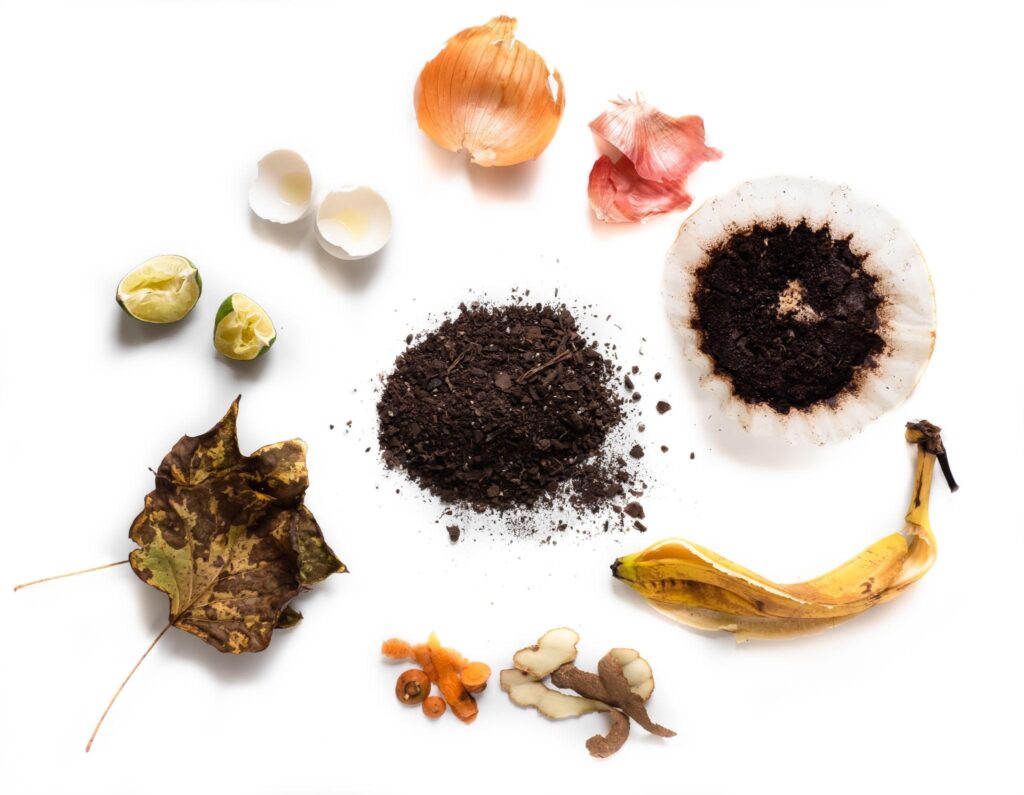
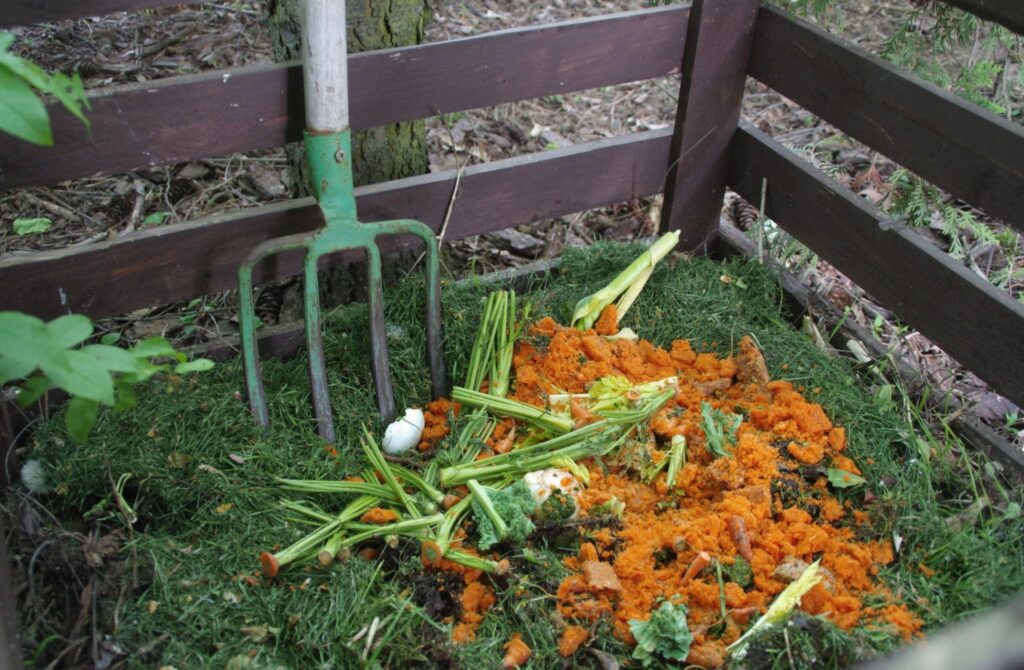
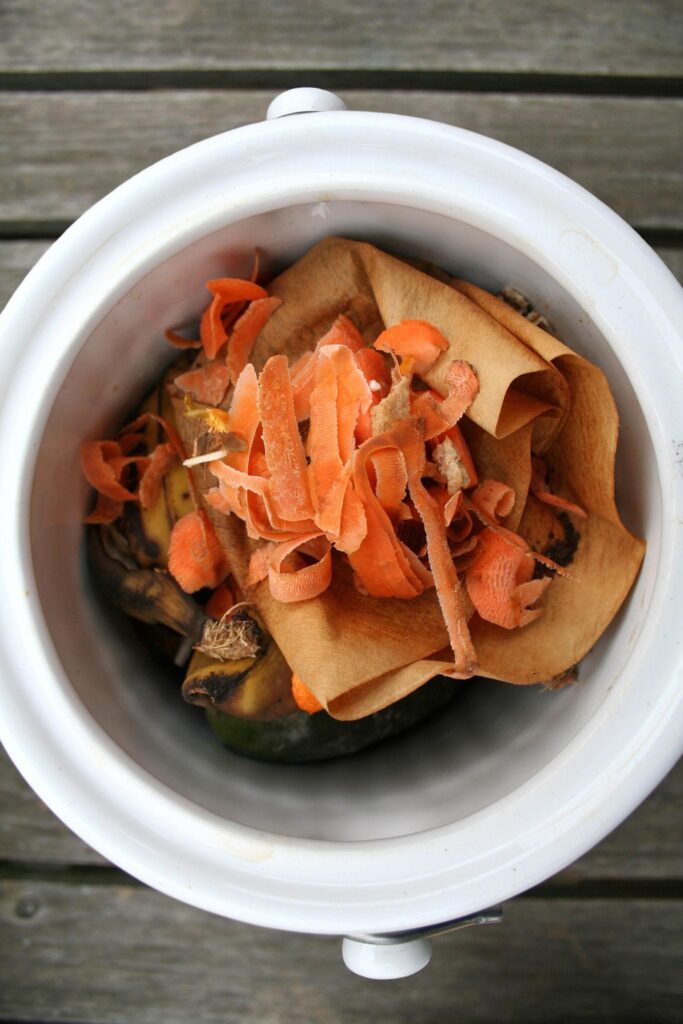
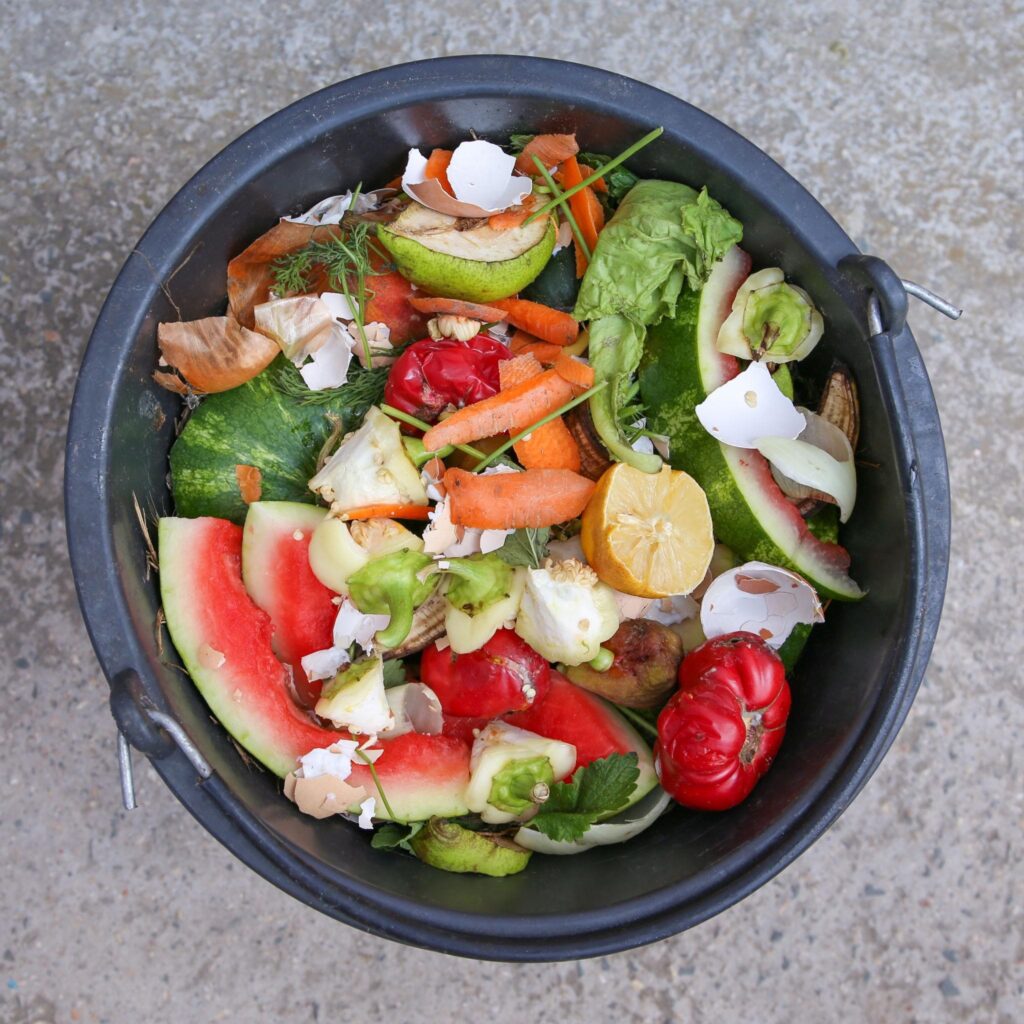
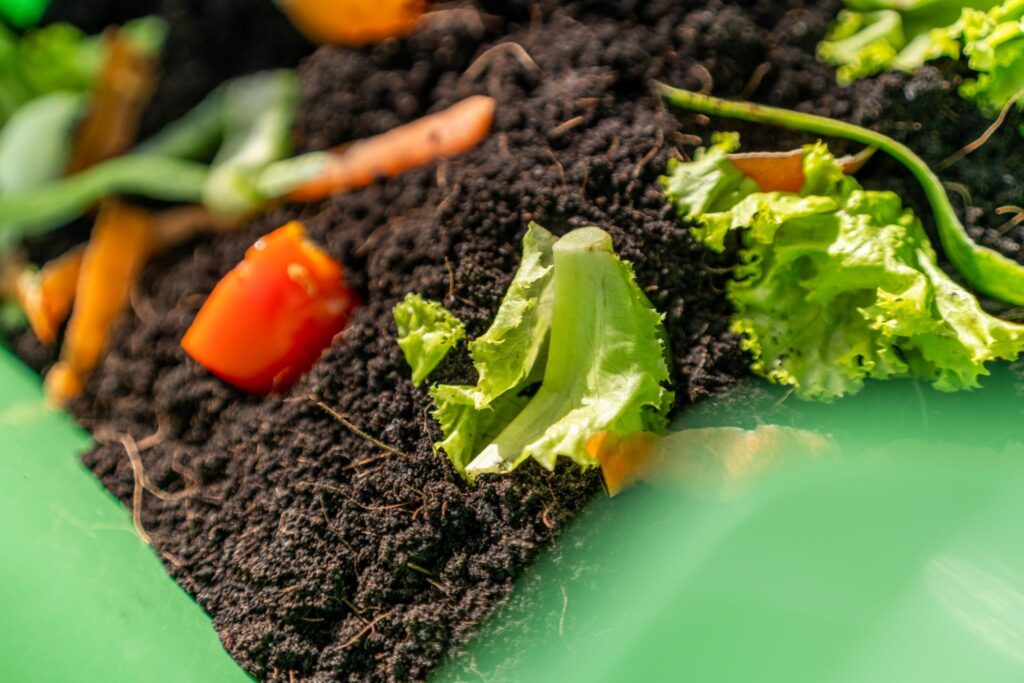
Excellent nitrogen source.
Examples:
- Banana peels
- Lettuce
- Tomato scraps
- Apple cores
- Wilted vegetables
Benefits
- Fast decomposition
- Nutrient-rich compost
- Reduces kitchen waste
Cut into smaller pieces for faster breakdown.
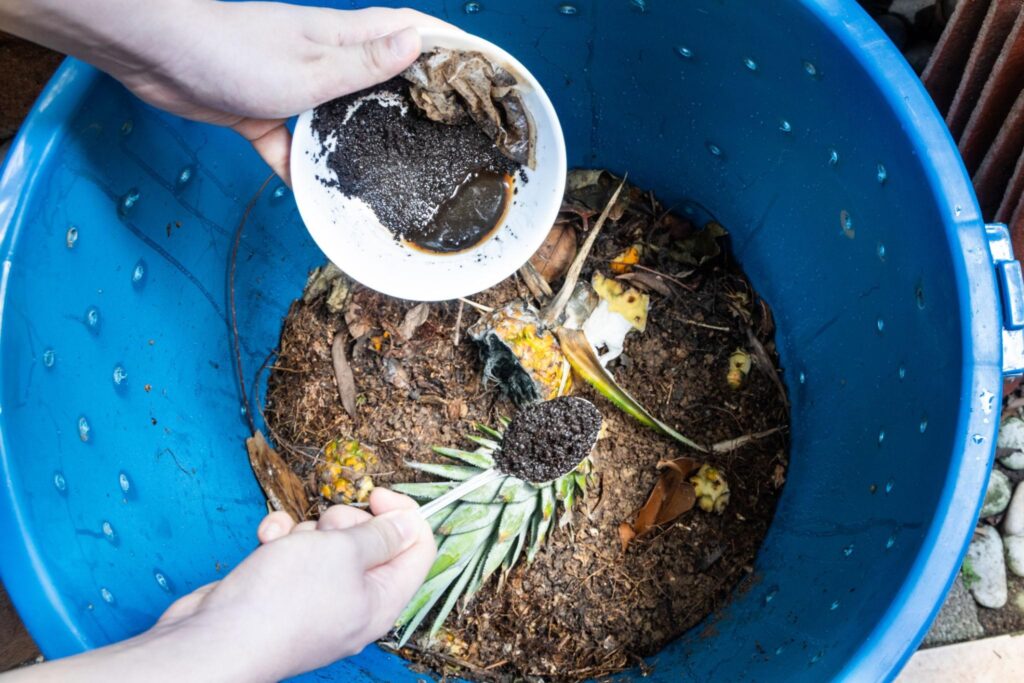
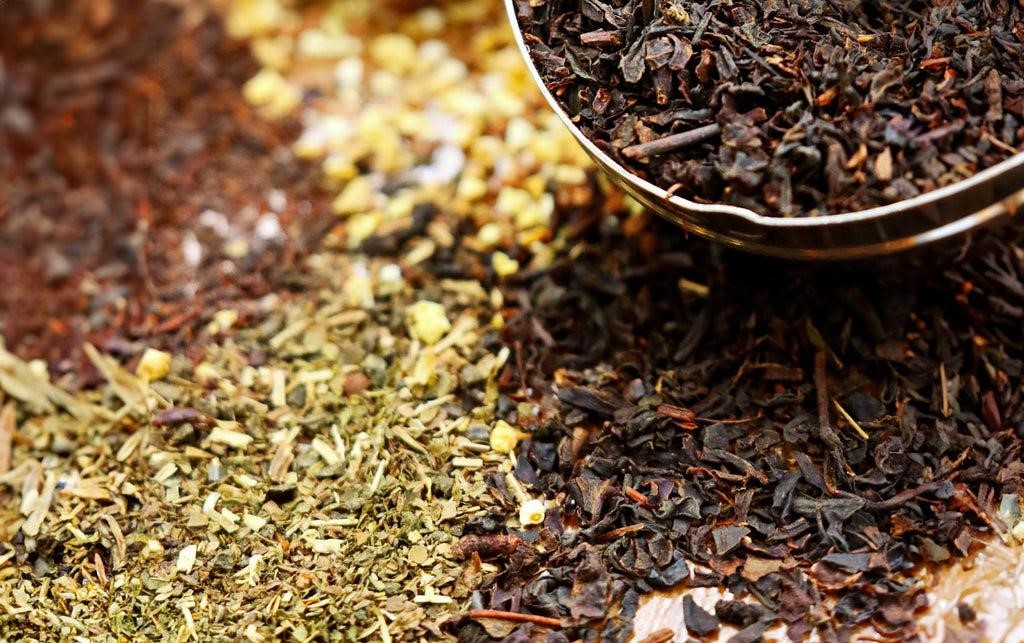
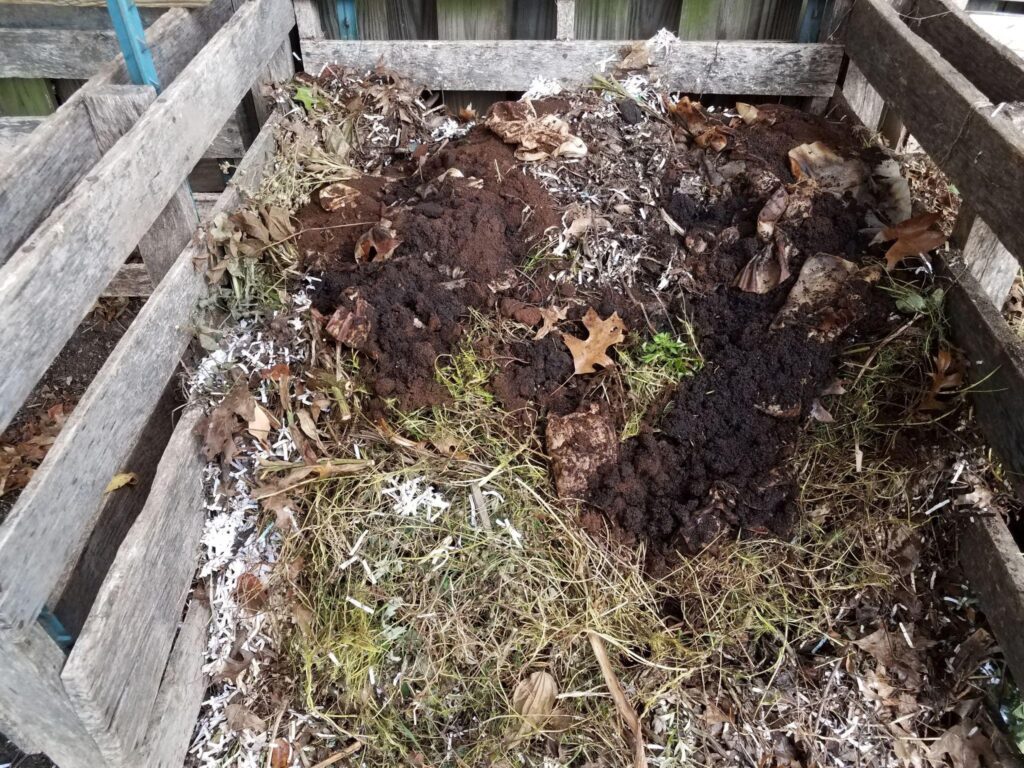
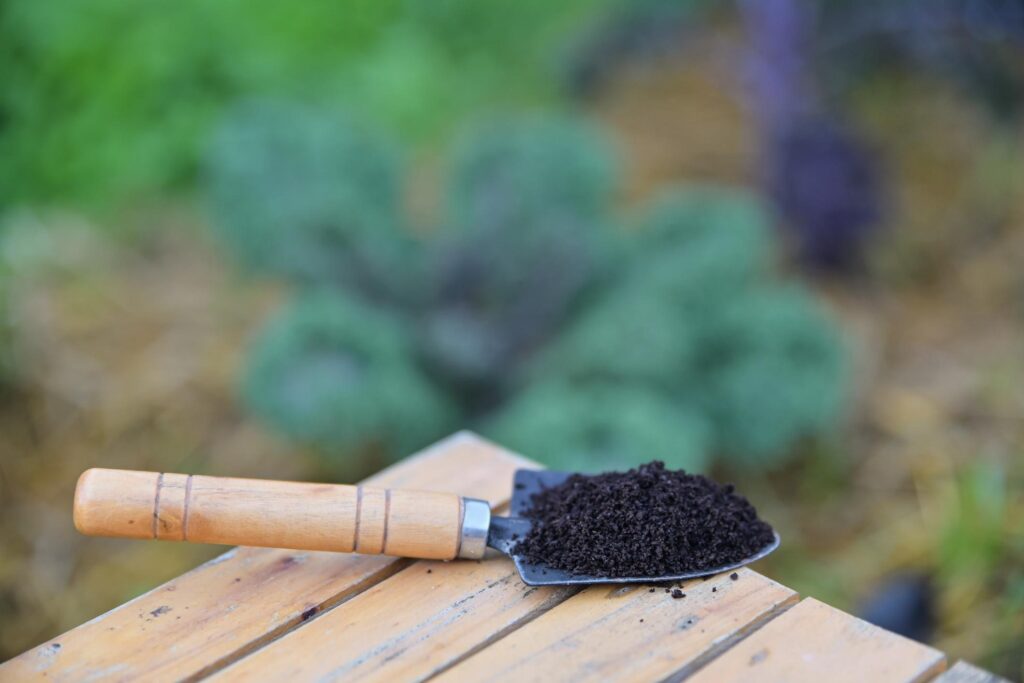
Coffee Grounds and Tea Leaves

Benefits:
- Rich in nitrogen
- Feed microbes
- Improve compost quality
Do not overuse coffee grounds.
Ideal:
- Less than 20% of pile
Animal Manure
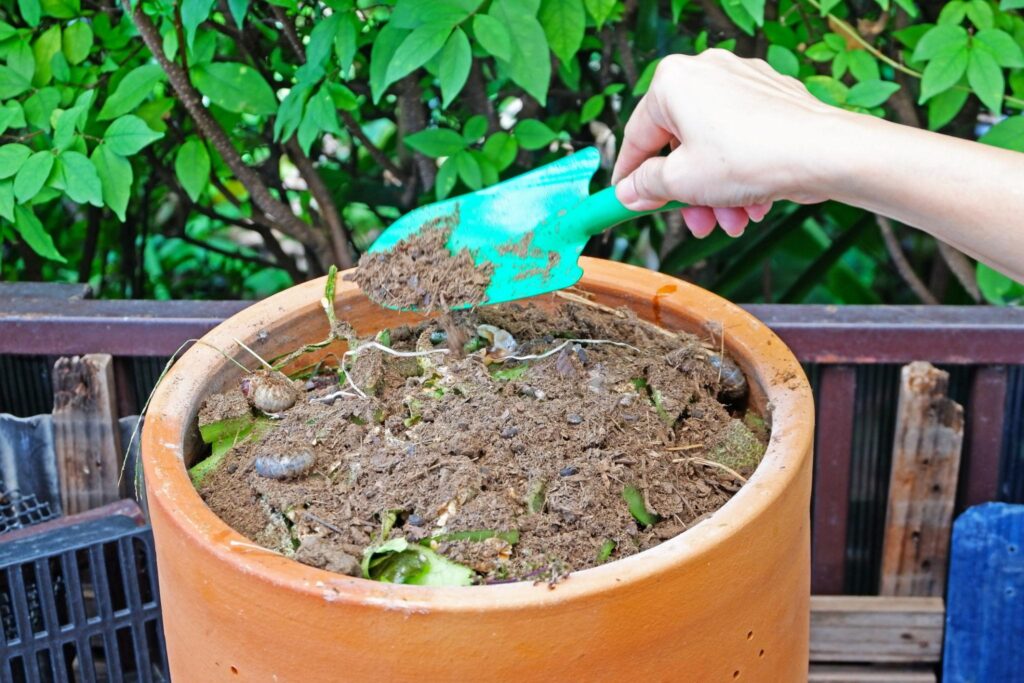
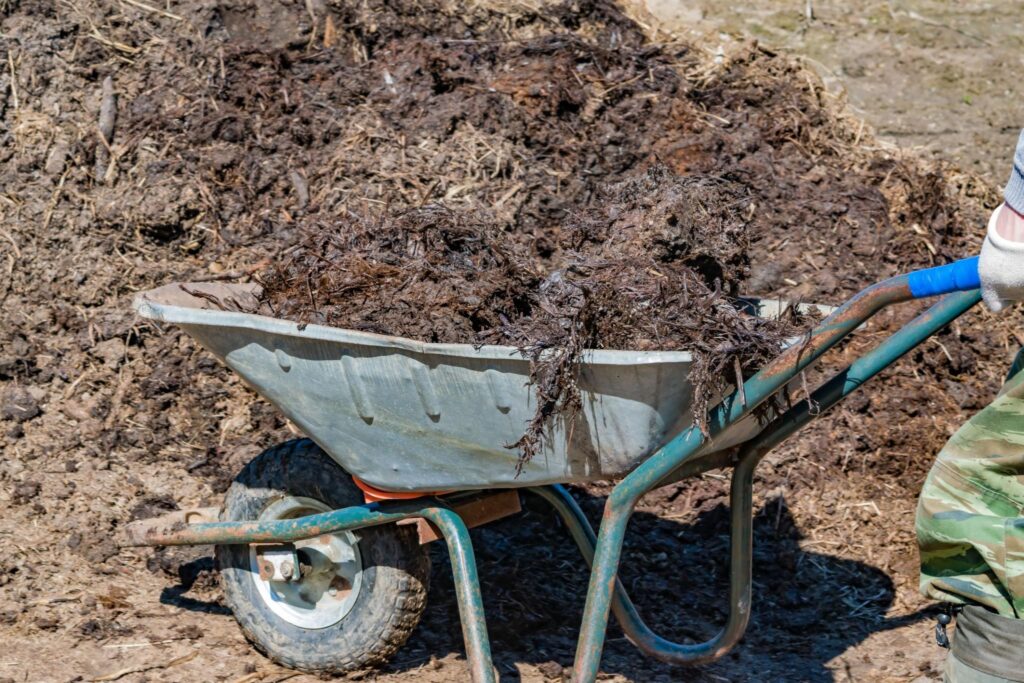
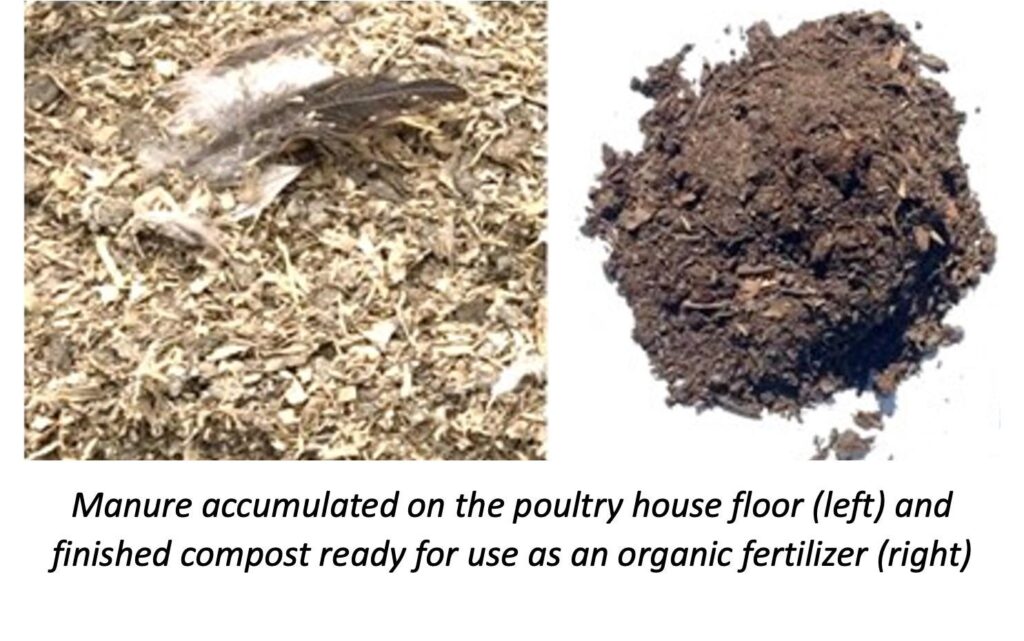
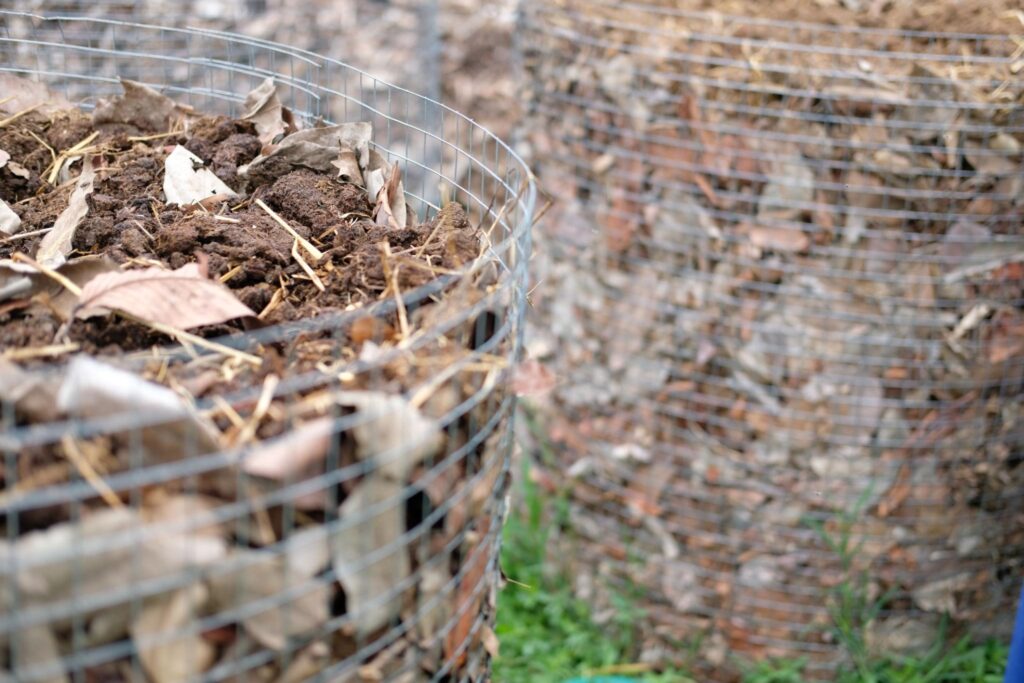
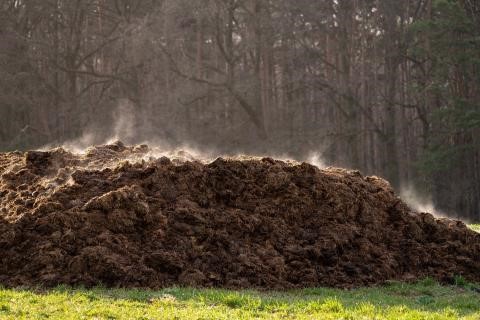
Excellent manure:
- Cow manure
- Poultry manure
- Horse manure
Avoid:
- Dog manure
- Cat manure
- Pig manure
Benefits
- High nitrogen
- Rich microbes
- Improves compost heat
Proper composting kills pathogens.
Eggshells
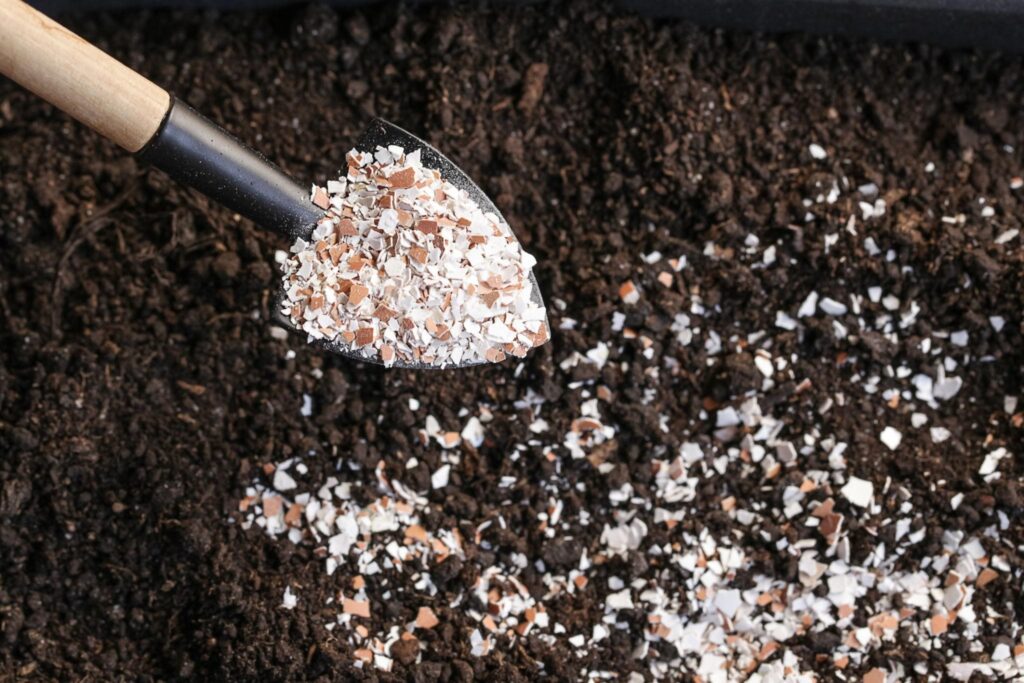
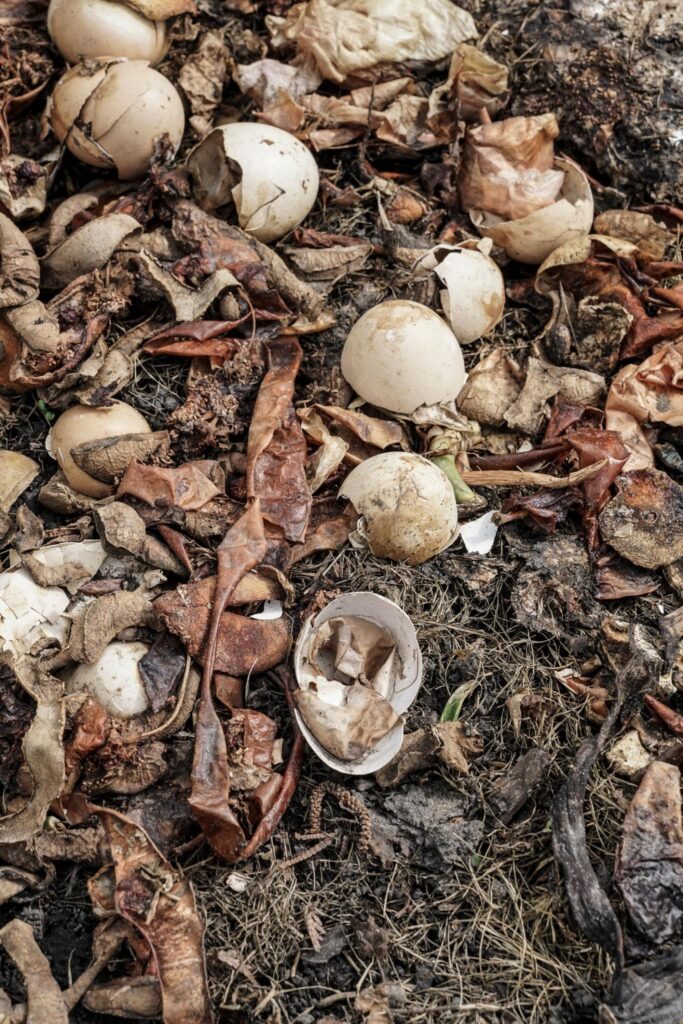
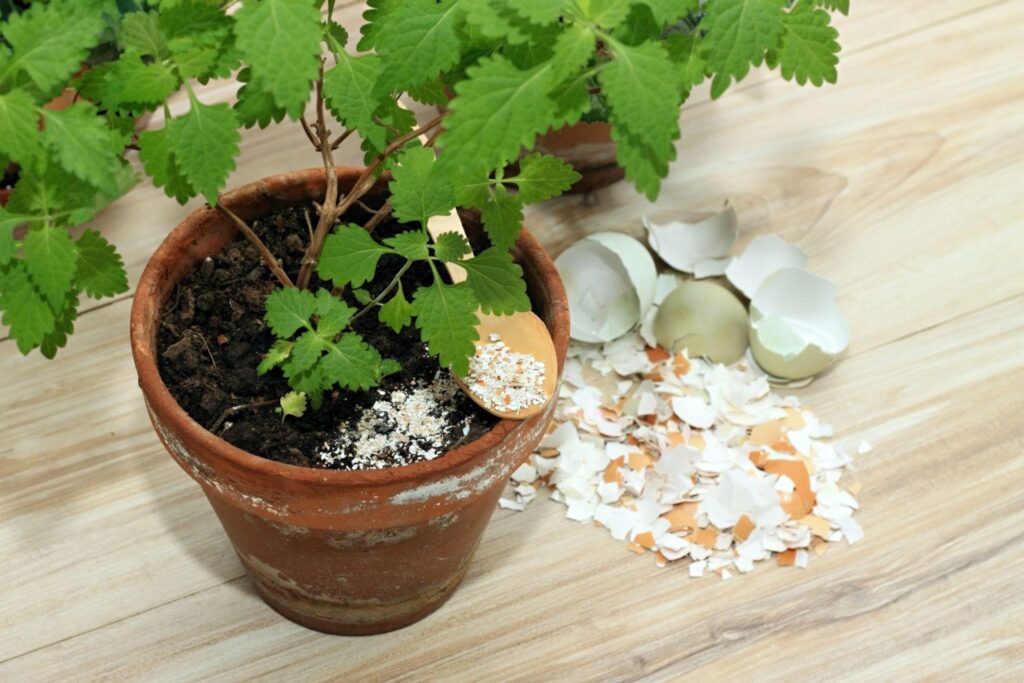
Benefits:
- Add calcium
- Improve soil structure
- Help plant growth
Crush before adding.
Seaweed
Rich in:
- Nitrogen
- Potassium
- Trace minerals
Excellent for coastal farming areas.
Rinse excess salt before composting.
Materials You Should Avoid
Never compost:
- Plastic
- Glass
- Metal
- Diseased plants
- Chemically treated wood
- Meat
- Oils
- Dairy
- Human waste
- Large amounts of citrus
These cause:
- Smells
- Pests
- Disease spread
- Slow decomposition
Step-by-Step Compost Making Process
Step 1: Choose Location
Good compost site should:
- Drain well
- Have partial shade
- Be accessible
- Have airflow
Step 2: Build Foundation
Start with coarse dry material:
- Small sticks
- Dry stalks
- Twigs
This improves airflow.
Step 3: Add Layers
Alternate:
- Browns
- Greens
Example:
- Dry leaves
- Kitchen waste
- Soil
- Grass
- Manure
Repeat layers.
Step 4: Add Water
Moisten each layer lightly.
Do not flood.
Step 5: Cover the Pile
Use:
- Banana leaves
- Sack
- Grass
- Tarp
Benefits:
- Conserves moisture
- Retains heat
- Prevents nutrient loss
Step 6: Turn the Pile
Turn every:
- 1–2 weeks
Turning:
- Adds oxygen
- Speeds decomposition
- Prevents odour
Step 7: Monitor Temperature
Hot piles indicate active decomposition.
If pile cools:
- Add greens
- Add moisture
- Turn pile
Signs of Healthy Compost
Healthy compost:
- Smells earthy
- Feels moist
- Has heat
- Attracts worms
- Shrinks over time
Signs of Poor Compost
Bad Smell
Cause:
- Too wet
- Too much nitrogen
- Lack of oxygen
Solution:
- Add dry leaves
- Turn pile
Compost Too Dry
Cause:
- Lack of water
Solution:
- Add moisture
Slow Decomposition
Cause:
- Low nitrogen
- Poor aeration
Solution:
- Add greens
- Turn pile
Importance of Compost in Agriculture
1. Improves Soil Structure
Compost:
- Loosens clay soil
- Binds sandy soil
- Improves aggregation
This enhances root growth.
2. Improves Water Retention
Organic matter acts like a sponge.
Benefits:
- Reduced irrigation
- Drought resistance
- Better moisture stability
Especially important in:
- Sack gardening
- Dry regions
- Raised beds
3. Increases Soil Fertility
Compost supplies:
- Nitrogen
- Phosphorus
- Potassium
- Micronutrients
Slow-release nutrients reduce leaching.
4. Boosts Soil Biology
Compost introduces:
- Beneficial bacteria
- Fungi
- Earthworms
Healthy soil is living soil.
5. Reduces Soil Erosion
Organic matter improves:
- Soil binding
- Water infiltration
- Surface protection
Compost in Sack Gardening
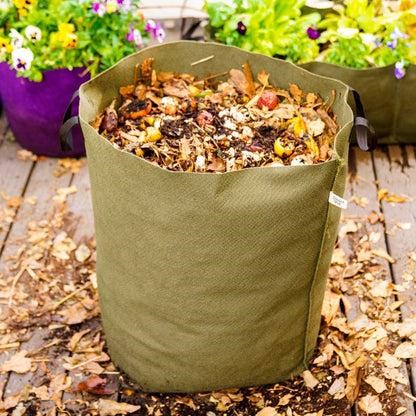
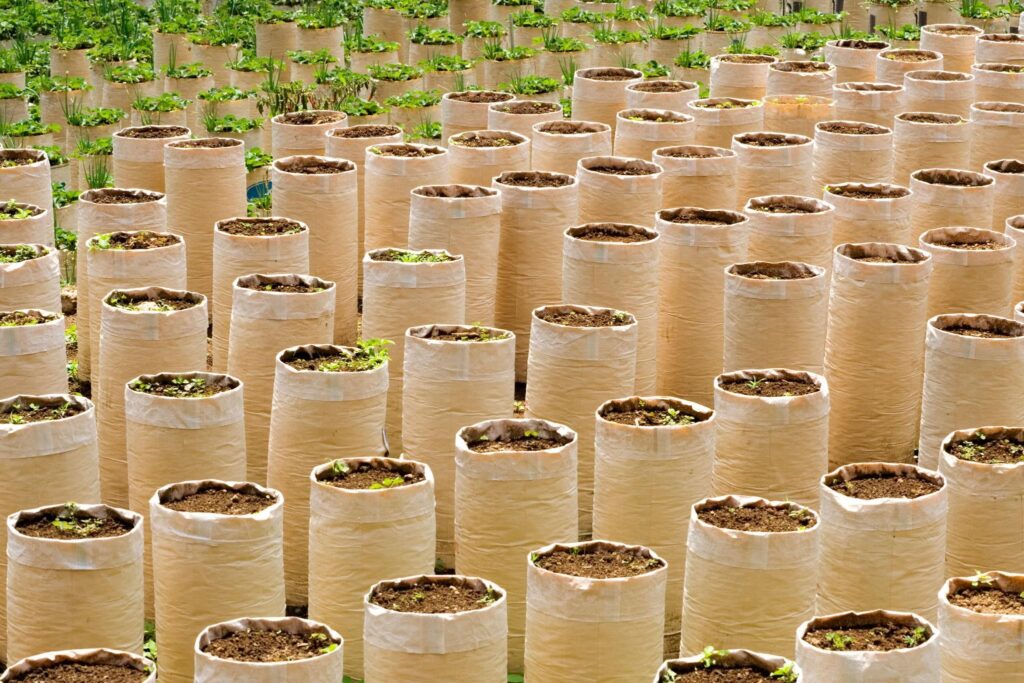
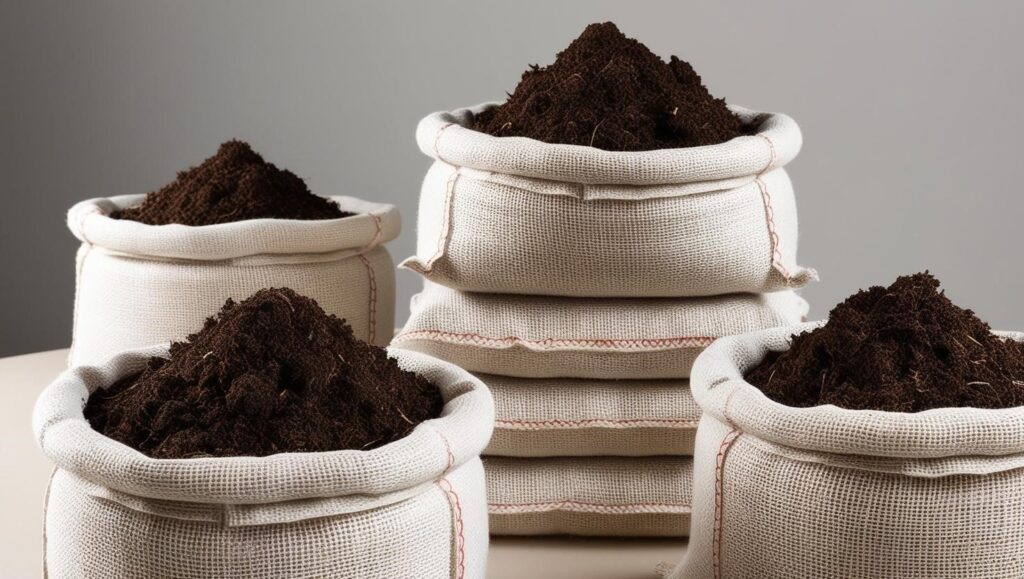
Compost is extremely important in sack gardening because sacks have:
- Limited soil volume
- Faster nutrient depletion
- Faster drying
Benefits in Sack Gardening
- Holds moisture
- Supplies nutrients
- Supports root growth
- Improves aeration
- Encourages microbial life
Recommended mix:
- Soil
- Compost
- Sand or biochar
Compost Maturity
Finished compost:
- Is dark
- Crumbly
- Cool
- Earth-smelling
No recognizable materials should remain.
Immature compost may:
- Burn plants
- Compete for nitrogen
- Spread pathogens
How to Use Compost
Around Crops
Apply around:
- Vegetables
- Fruit trees
- Flowers
In Potting Mixes
Mix:
- 10–30% compost
Mulching
Spread around plants.
Benefits:
- Conserves moisture
- Suppresses weeds
- Feeds soil
Compost and Climate Change
Composting:
- Reduces landfill waste
- Reduces methane emissions
- Stores carbon in soil
- Improves resilience to drought
It is a key climate-smart agriculture practice.
Advanced Composting Techniques
Bokashi Composting
Uses fermentation.
Good for:
- Small spaces
- Urban households
Trench Composting
Organic matter buried directly in soil.
Sheet Composting
Organic matter spread directly over soil.
- Compost making is not simply waste disposal.
It is:
- Soil regeneration
- Nutrient cycling
- Microbial farming
- Water conservation
- Climate resilience
- Sustainable agriculture
A good compost system transforms:
- Kitchen waste into fertility
- Crop residues into nutrients
- Farm waste into living soil
The healthier your compost, the healthier your soil.
The healthier your soil, the healthier your crops.
And the healthier your crops, the more sustainable your farming system becomes.
0 Comments